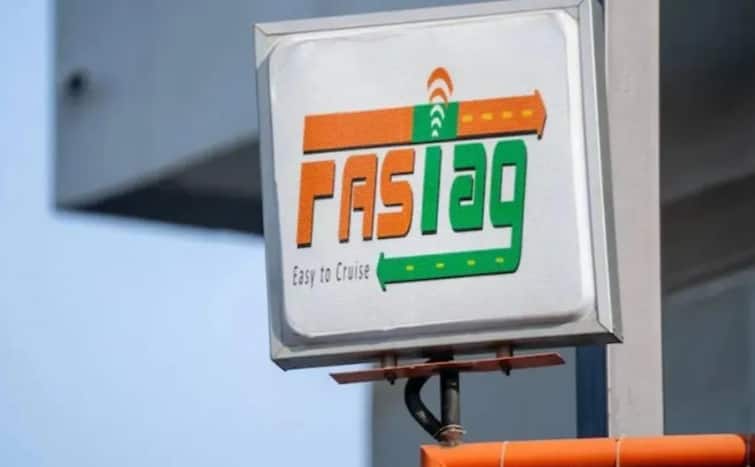

New FasTag Rules from April 1, 2026:Drivers across India are looking at a major change in how they pay toll charges starting April 1, 2026. The National Highways Authority of India (NHAI) is shifting to a fully digital payment system on national highways and expressways. Cash payments at toll plazas will no longer be accepted. Instead, commuters will need to use FASTag or digital payment options like UPI.
The move is aimed at cutting waiting time, reducing congestion at toll booths, and bringing more transparency to the toll collection process.
What The Switch To Digital Toll Payment Means For Drivers
With cash lanes being removed entirely, vehicles are expected to move faster through toll plazas, particularly during peak hours. Fewer stops could also mean lower fuel consumption and reduced emissions, which has been a concern for authorities for some time now.
However, the transition may not be entirely smooth for everyone. Drivers without an active FASTag or those with a low balance may face delays. In such cases, scanning a QR code and paying through UPI would be the alternative.
That said, poor network connectivity at certain toll locations could be a problem, especially in the early days of this rollout.
On the cost side, the FASTag annual pass fee has been raised slightly for the financial year 2026-27. For frequent highway users, this is worth noting since the pass allows multiple trips without repeated recharges, up to a set limit.
How NHAI Plans To Handle Toll Evasion And Road Monitoring
The government has also put stricter rules in place for unpaid tolls. A new electronic tracking system will monitor vehicles, and if a toll crossing goes unpaid, the registered owner will receive a notice through SMS, email, or an app.
Paying within 72 hours means you only owe the original amount. Missing that window can double the charge, and continued non-payment could result in restrictions through the VAHAN database.
Separately, NHAI is rolling out AI-based road monitoring across thousands of kilometres of highways. Cameras on patrol vehicles will use artificial intelligence to identify potholes, damaged signs, poor lighting, and illegal encroachments, helping authorities respond to issues faster.