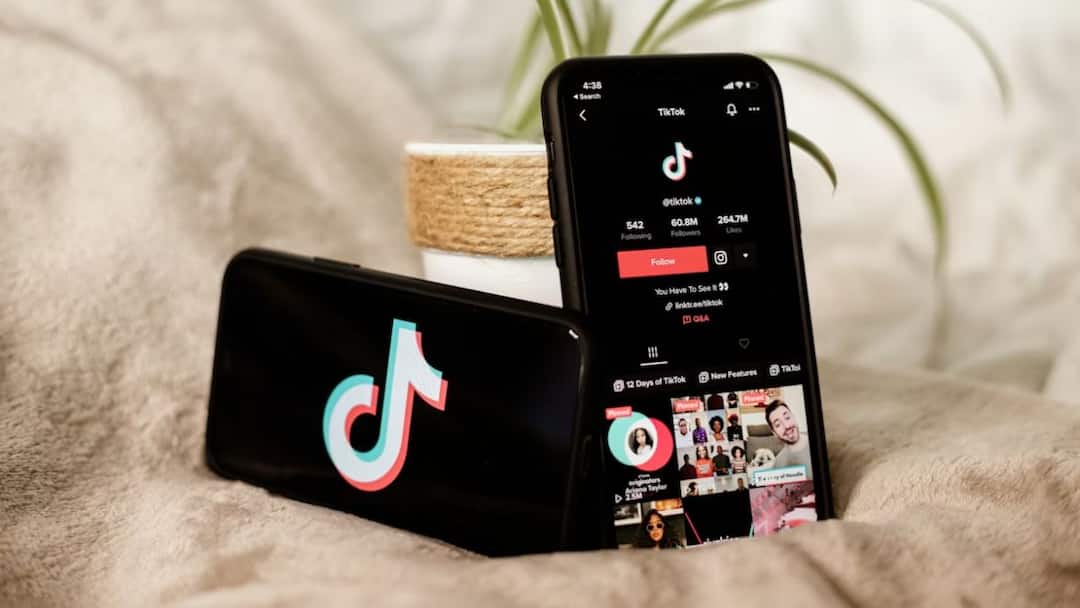

Australia will soon become the first democratic country to stop children under 16 from using social media apps like Instagram and TikTok. The ban starts on 10 December. The aim is to protect teenagers from online bullying, harmful content, and mental health problems.
Many countries are now watching Australia and thinking of doing the same. This global move has opened a new debate on whether young teens should be allowed on social media at all, and everyone is asking where India stands in this change.
Countries Supporting The Under-16 Social Media Ban
Several countries are already supporting Australia’s step. These include Denmark, Brazil, Indonesia, Malaysia, Spain, New Zealand, and Singapore. Brazil will soon make it compulsory for users under 16 to link their social media to a legal guardian.
Malaysia plans to bring a similar ban next year. Indonesia will allow teens only with parental approval until they turn 18. Denmark is working toward a ban for under-15s but may allow 13 and 14-year-olds to use social media if parents give permission.
These governments believe young teenagers are strongly influenced by the internet and need protection. If more countries join this move, it could also hurt big tech companies because teenagers form a large part of their users and advertising income.
Where India Stands On The Under-16 Social Media Ban
India is not going in the same direction. The Supreme Court has rejected a complete ban on social media for minors. The Court said a full ban is not realistic and may go against the Constitution. Although the Indian Government had already banned TikTok in 2020, it was due to concerns over national security and data privacy rather than minors’ safety.
Instead of banning, India wants stricter rules. The Court said social media companies must make their platforms safer for teens through age checks, better privacy tools, and content filters. The government is preparing new safety rules under the Digital India Act.
Psychologists have also warned that many Indian teenagers suffer from stress, depression, and anxiety because they depend too much on likes and online approval.
Law experts say that safety cannot depend only on the law. Parents, teachers, and tech companies also need to guide children and teach them how to use the internet responsibly and safely.