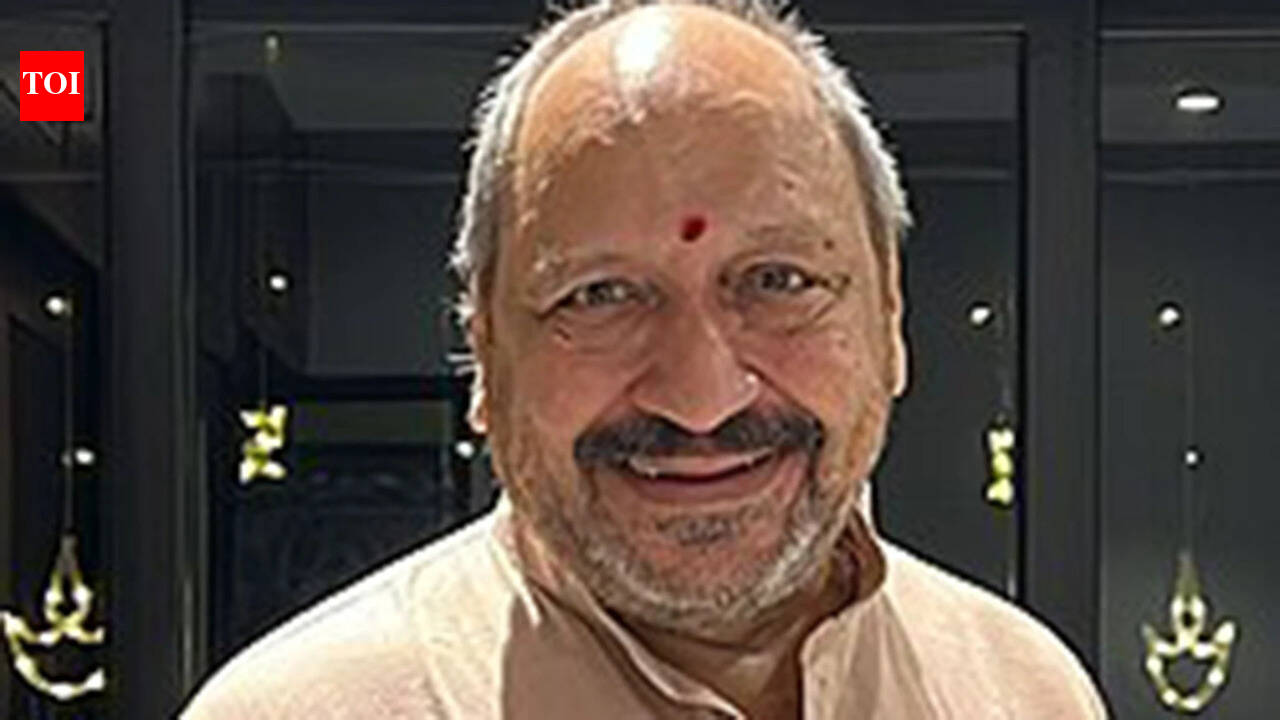
Former Indian Premier League (IPL) founder and chairman Lalit Modi hailed a major legal victory after SAFEMA Appellate Tribunal quashed the financial penalties levied against him by the Enforcement Directorate (ED) in connection with the 2009 IPL held in South Africa.
Extending relief after a 16-year legal battle, the tribunal ruled that the primary overseas remittances made to organize the tournament were current account transactions rather than capital account transactions, thereby nullifying the core argument of the ED’s case.
Furthermore, the court held that Modi was not personally responsible for BCCI’s statutory regulatory compliances under the Foreign Exchange Management Act (FEMA).
Welcoming the verdict from London, Modi described the judgment as a triumph of due process and complete vindication:
“Satyamev Jayate! For over sixteen years, I have consistently maintained one simple position: I acted in good faith, in the best interests of Indian cricket and the IPL, and committed no personal wrongdoing. This judgment is not simply personal vindication. It reaffirms the importance of due process, objective legal analysis, and the principle that allegations must ultimately be tested against evidence and law.”
The dispute originated in 2009 when the entire second season of the IPL was relocated to South Africa on short notice due to security concerns overlapping with India’s general elections.
ED had subsequently issued penalty orders in 2018 alleging unauthorized foreign exchange transfers totaling over ₹243 crore ($49.8 million) without prior Reserve Bank of India (RBI) approval. With the tribunal setting aside those sanctions, Modi signaled the formal closure of the defining legal dispute of his cricket administration career.
In an exclusive interview with Cricbuzz, Lalit Modi also looked back at the decision to move the 2009 IPL out of India. He maintained that relocating the tournament was essential at the time, arguing that the move was made to safeguard the league’s future and ensure its uninterrupted continuation.
“The decision to move the tournament to South Africa in 2009 was taken under extraordinary circumstances when India’s general elections made it impossible to host the tournament at home. The successful staging of that season ensured that the IPL survived and ultimately became one of the world’s most valuable sporting properties,” he said.