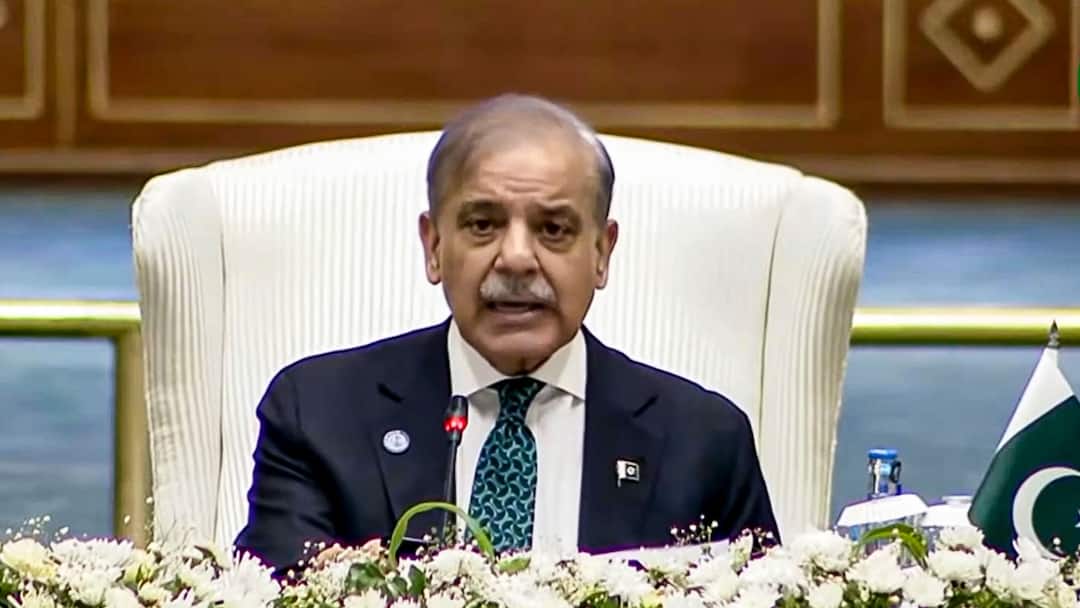
The countdown to 2026 T20 World Cup has been overshadowed by a deepening crisis. With Pakistan government officially barring its team from facing India on February 15, the cricketing world isn’t just bracing for a sporting – looking at a financial black hole.
Why is IND-PAK match the ultimate “Golden Goose”?
India-Pakistan rivalry is the engine that drives global cricket commerce. It isn’t just a game; it’s a package of national sentiment that guarantees record-breaking viewership.
Viewership Peak: Previous IND-PAK encounters have recorded over 225 million digital viewers in India alone. Broadcasters base their entire tournament valuation on this single fixture.
The Ad Goldmine: For the 2026 edition, 10-second ad slots for IND-PAK T20 WC match are priced between ₹25 lakh and ₹40 lakh. Industry experts estimate that this one match generates approximately ₹200-250 crore in direct advertising revenue.
Both BCCI and PCB would take an immediate financial hit of nearly ₹200 crore each, factoring in direct earnings and knock-on commercial losses, if the fixture is scrapped.
For India, the setback would sting but remain absorbable.
For Pakistan, however, the numbers are far more severe.
PCB’s share of ICC revenue stands at 5.75%, translating to roughly USD 34.5 million per year. That income stream is built on consistent participation, adherence to ICC commitments, and operational dependability. A self-initiated pullout – critically – does not qualify as force majeure.
The consequences could include:
Absence of insurance coverage
No legal protection against claims
Direct liability for penalties, damages, and compensation
Potential violation of ICC Member Participation Agreement, which could trigger withheld tournament payouts, additional fines, and even broadcaster-led legal action
Broadcasters in Crosshairs
Jio-Star, the primary rights holder in India, has already pre-sold massive advertising “inventory” based on ICC’s guarantee of IND-PAK clash in T20 World Cup.
Inventory Collapse: If Pakistan refuses to take the field, that high-value ad time simply vanishes. Jio-Star cannot easily replace those slots with matches like “Namibia vs. USA” at the same premium rates.
ICC’s Liability: Under the broadcast agreement, ICC is responsible for delivering the tournament as scheduled. A boycott could force the ICC to compensate the broadcaster for the shortfall, leading to a direct hit of up to 5 Crore to the global body’s coffers.
What Happens on February 15?
If PCB’s boycott stands, Suryakumar Yadav and the Indian team will still walk out for the toss at the R. Premadasa Stadium in Colombo.
Once the Pakistan captain fails to appear, the match referee will award a walkover and two points to India. However, the “real” match the legal battle over the missing millions – will only just be beginning in the ICC boardroom.