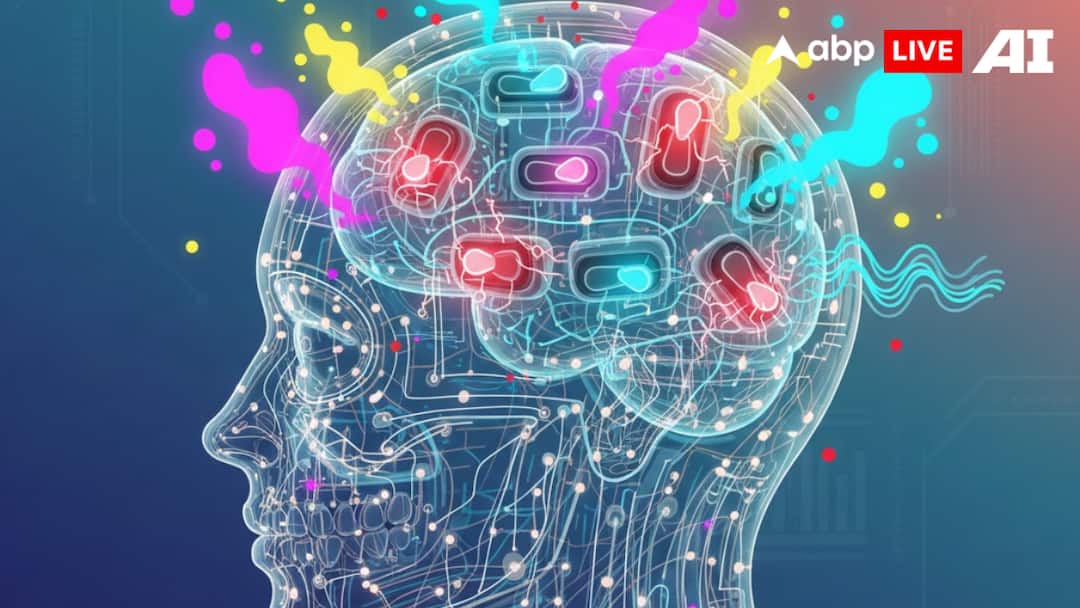

Why does a harmless comment feel like a personal attack? Why does one person stay calm under pressure while another spirals instantly? Human reactions often appear unpredictable, yet neuroscience and psychology suggest otherwise. Beneath every response lies a complex interplay of brain wiring, emotional memory and perception. According to experts, the way we react is rarely about the moment itself, it is about how the brain interprets meaning, threat and safety in real time.
ALSO READ: The Invisible Weight School Children Carry: Why Competition Is Breaking Young Minds
Why The Same Situation Creates Completely Different Reactions
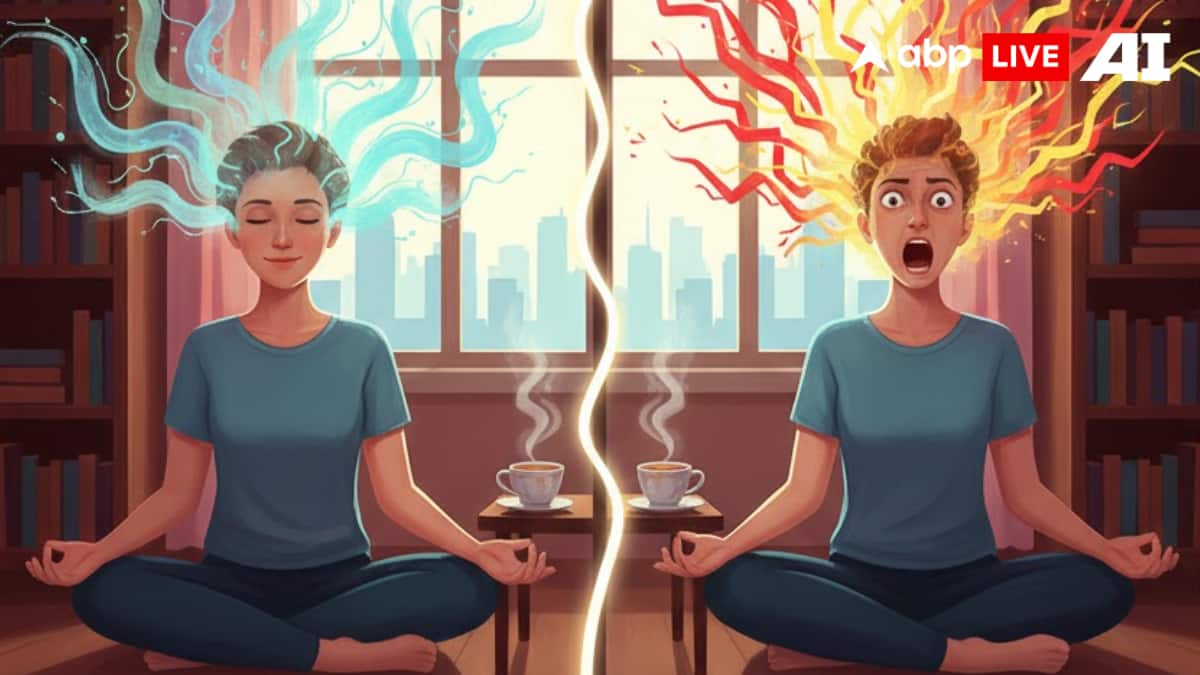
At the heart of behavioural differences lies perception. Hemant Lawanghare, Author of Atman Intelligence and Founder of MasterMyLife EQ Education, explains, “Two people react differently because the event is filtered through three layers: (i) temperament + DiSC style, (ii) personal conditioning (past experiences, beliefs, unmet needs), and (iii) the body’s current state (sleep, stress, hormones).”
What happens in the brain is even more revealing. As Lawanghare notes, “In that moment, the amygdala scans for threat or meaning, while the prefrontal cortex tries to interpret, but stored emotional memory often ‘tags’ the situation first.”
That tag decides everything, from calm reasoning to instant defensiveness.
Echoing this, Agile and Life Coach Vani Suriaprakash adds a neurological lens, “In NLP, there is a key presupposition that the map is not the territory… even when two people are standing in the same room, their brains are literally constructing two entirely different realities.”
The Amygdala Hijack: When Emotions Take Over
The term “amygdala hijack” explains why reactions often feel automatic. Lawanghare describes it vividly: “In an amygdala hijack, the emotional brain grabs the steering wheel before awareness arrives.” The body reacts first, tight chest, racing thoughts, before logic can intervene.
Different personalities respond differently. “D (Dominance) behavioural profile person may go into fight, I (Influence) behavioural profile person may react with emotional flooding, S (Steadiness) behavioural profile person often freezes or withdraws, and C (Conscientiousness) behavioural profile person overthinks and critiques,” he explains.
Suriaprakash talks about how modern life confuses the brain’s threat system by saying, “The core insight is that information reaches the amygdala faster than it reaches the neocortex, so the panic button is pressed before logic can say, ‘It’s just an email, not a tiger.’”
Are We Born Reactive Or Can We Change?
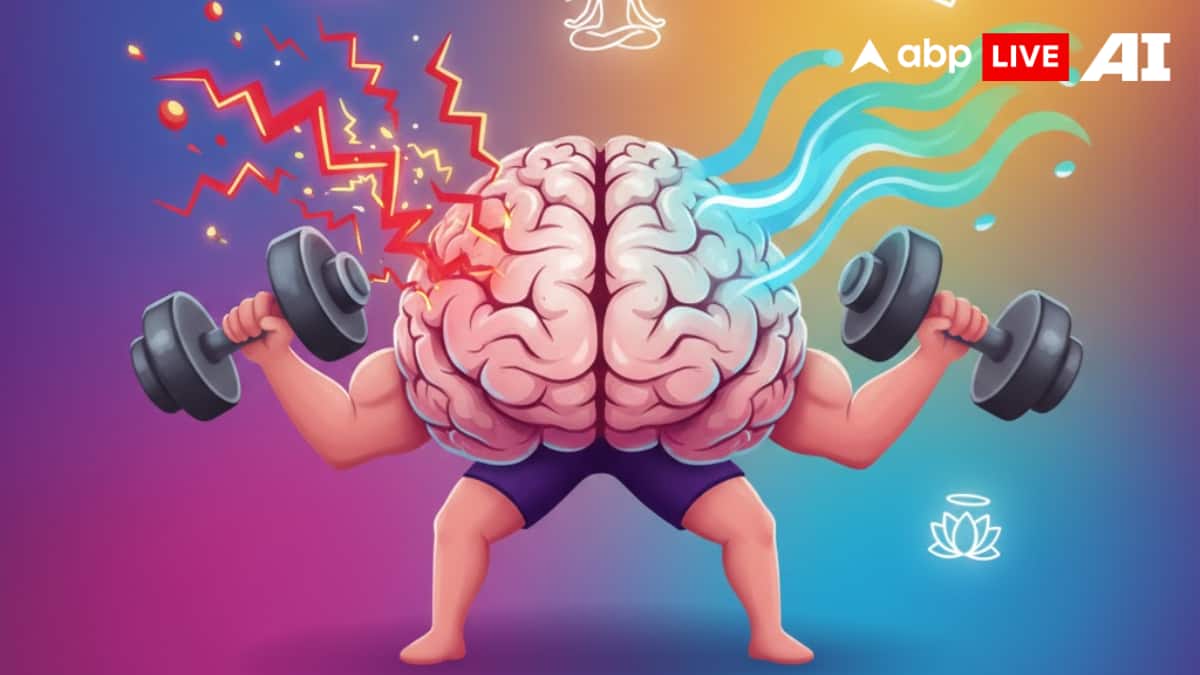
Both experts agree that emotional intelligence is not fixed. Lawanghare states clearly, “Emotional intelligence isn’t something you either have or don’t have at birth. It can be developed at any stage of life.”
Suriaprakash reinforces this idea: “Emotional intelligence is absolutely a buildable skill… If someone practices pausing, reflection, and empathy, they rewire the brain to make patience and balance the default response.”
Change begins with awareness, then regulation. Lawanghare outlines the process, “Allow (stop fighting the feeling), Align (choose a response that fits your purpose/values), and Connect (repair, listen, seek support).”
Why Triggers And Childhood Wiring Shape Our Reactions

Triggers often have little to do with intent. Lawanghare explains, “Certain words or tones trigger us because the brain links them to earlier emotional imprints.” Suriaprakash frames it through NLP: “In NLP, this phenomenon is called an auditory anchor.” A tone once associated with fear or shame can spark the same reaction decades later, even when no harm is intended.
Our earliest experiences quietly shape adult reactions. Lawanghare explains how different caregiving patterns lead to anxious, avoidant, or disorganised behaviours later in life, while Suriaprakash adds, “This is not weakness; it is the continuation of a survival strategy that once worked.” The key is recognising outdated patterns and updating them consciously.
The solution lies in detachment. “Reframing helps. Instead of thinking, ‘I am angry’, say ‘I notice anger’,” Lawanghare advises, helping you respond from awareness rather than automatic reaction.
The First Small Step To Becoming Less Reactive
Transformation does not begin with control, but with pause. Lawanghare suggests, “Start with a 10-second pause and name the emotion.”
Suriaprakash echoes this with a practical tool: “A simple and effective first step is practicing the six-second pause.”
That pause allows the thinking brain to return and choice to reappear.
Beyond emotional intelligence lies a deeper anchor. As Lawanghare explains, “Atman Intelligence goes wider and deeper by grounding you in Atman, the steady witness beyond thoughts and moods.”
Suriaprakash adds, “This shift creates a powerful separation from the trigger, making a person far less reactive and almost unshakeable.”
Check out below Health Tools-
Calculate The Age Through Age Calculator