


The National Investigation Agency (NIA) on Monday filed a chargesheet in the Pahalgam terror attack case before a special NIA court in Jammu, naming Lashkar-e-Taiba (LeT) operative Sajid Jatt as the chief conspirator. The move comes within the statutory deadline as the agency accelerates efforts to dismantle the terror network behind one of the deadliest attacks on tourists in Jammu and Kashmir in recent years. The NIA has also announced a Rs 10 lakh reward for information leading to Sajid’s arrest.
The chargesheet was filed on December 15, three days before the expiry of the 180-day deadline, which was due to end on December 18. The court had earlier granted the agency an additional 45 days beyond the initial 90-day investigation period.
Chargesheet Filed Within Deadline
Two local residents from Pahalgam, Bashir Ahmad Jothar and Parvez Ahmad Jothar, were arrested on June 22 for allegedly providing shelter and logistical support to three Pakistani terrorists who carried out the attack. The accused terrorists were identified as Suleman Shah, Hamza Afghani alias Afghan, and Jibran.
The NIA has maintained that the attack was executed by Pakistan-based operatives linked to Lashkar-e-Taiba, a claim earlier confirmed by Union Home Minister Amit Shah in Parliament. Investigators said the timely filing of the chargesheet ensures continuity of prosecution while further evidence is being examined.
Who Is Lashkar Commander Sajid Jatt?
According to the chargesheet, Saifullah Sajid Jatt, a resident of Pakistan’s Punjab province in Kasur district, is a senior Lashkar-e-Taiba commander and is considered one of the outfit’s most aggressive operatives. He is believed to be among the top leadership of the terror group, ranking just below Hafiz Saeed.
Sajid is also identified as the chief of The Resistance Front (TRF), a Lashkar proxy responsible for carrying out attacks in Jammu and Kashmir. The TRF was banned under the Unlawful Activities (Prevention) Act in 2023. The Pahalgam attack was claimed by the TRF.
Probe Continues Into Wider Network
The NIA said it has questioned over 1,000 individuals, including tourists, pony handlers, photographers, shopkeepers and local workers. Further forensic analysis, mobile phone data examination and verification of additional suspects are ongoing to establish the full extent of the terror network and the role of overground workers.
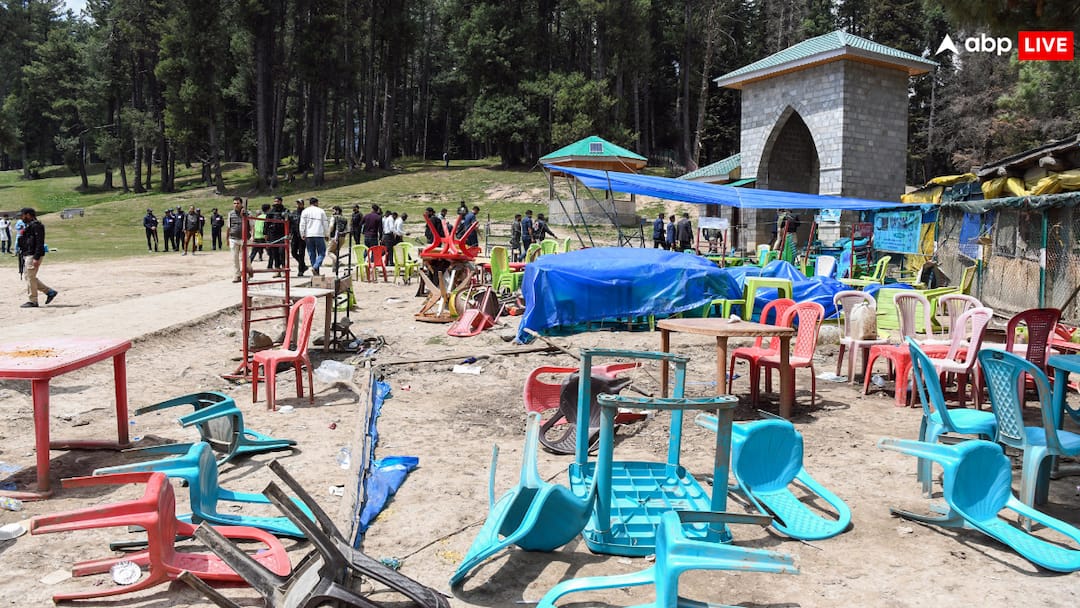
The terror attack took place on April 22 in the Baisaran Valley near Pahalgam, where armed terrorists selectively targeted tourists after identifying them by religion. Twenty-six people were killed, including a Nepalese national and a local resident. The incident triggered nationwide outrage, prompting India to launch Operation Sindoor, under which nine terror camps in Pakistan and Pakistan-occupied Kashmir were destroyed.
(This is a breaking news story and is being updated. Please refresh for the latest updates.) Go to Source