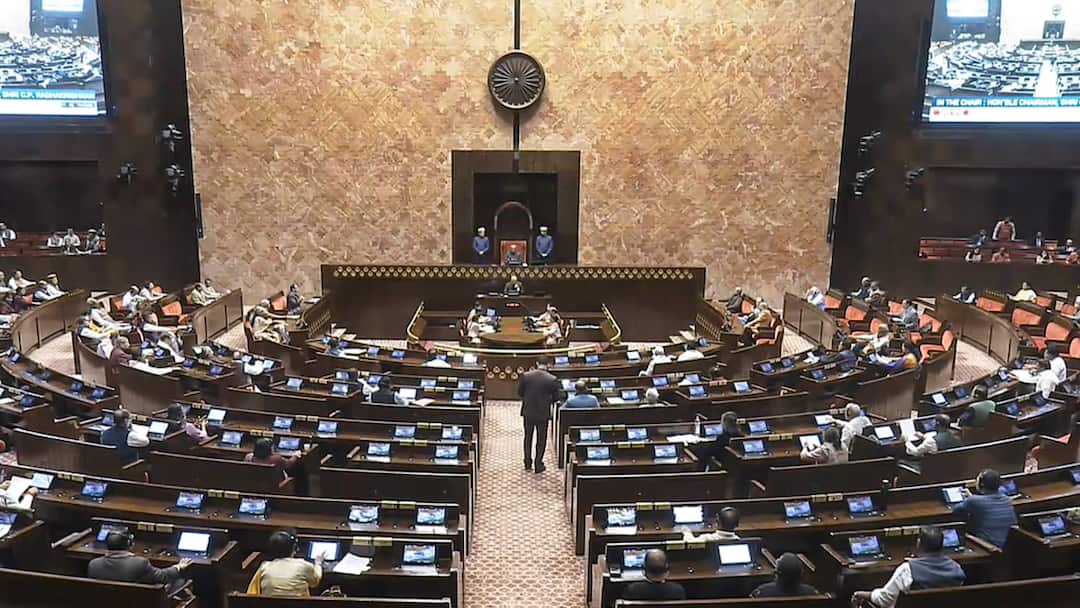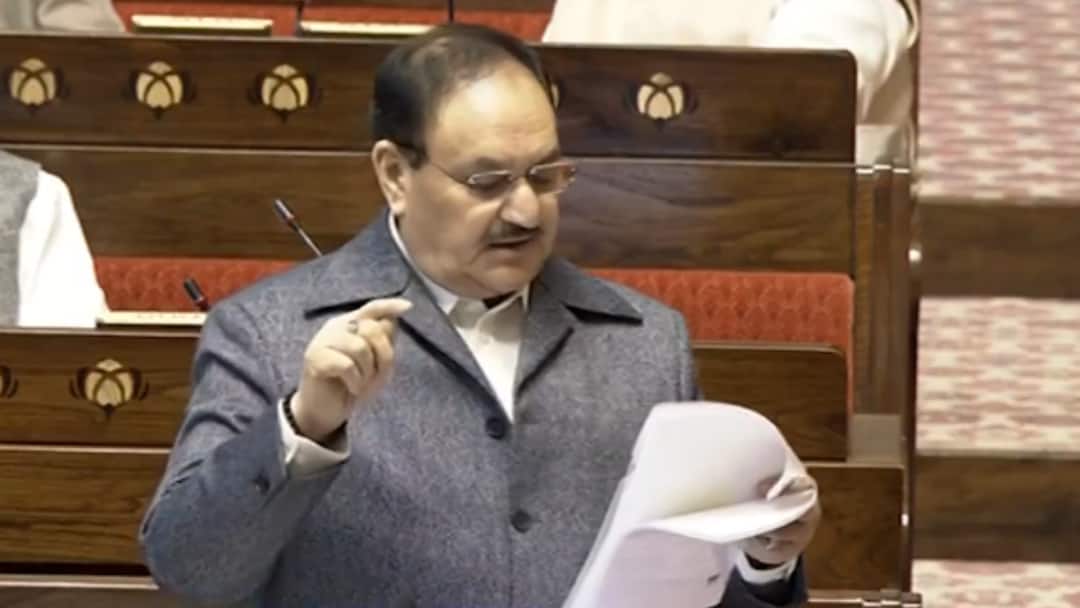

A routine debate in the winter session of Parliament transformed into a fiery confrontation after BJP national president J.P. Nadda accused Jawaharlal Nehru of restricting the cultural and national significance of Vande Mataram. Emphasising that the discussion was not intended to “defame the former Prime Minister of India,” Nadda said, “Our intention is not to defame the former Prime Minister of India, but it is important to put history on record.”
He argued that the Congress leadership of the era bore responsibility for the perceived marginalisation of the iconic song. “When an incident occurs, the Sardar is the one responsible. Nehru was the Sardar of the Congress Party government, so he must take responsibility. You take credit as per your convenience, but you must also take responsibility,” he asserted.
‘Don’t Take Unfair Advantage of My Straightforwardness’
As the opposition benches protested, Nadda maintained that Vande Mataram had not received the respect it deserved due to decisions made during Nehru’s leadership. He added, “Don’t take such unfair advantage of my straightforwardness,” amid loud interruptions.
The BJP leader went on to argue that Nehru had yielded to pressure from communal factions. Referring to the fervent devotion of freedom fighters, Nadda recalled that Khudiram Bose’s final words before his execution were Vande Mataram, describing the song as a symbol of unity and sacrifice.
VIDEO | Rajya Sabha: Leader of the House and BJP chief JP Nadda (@JPNadda) says, “What happened with the National Anthem in the Constituent Assembly and the apathy towards the national song – Vande Mataram – the only person responsible for it was Pandit Jawaharlal Nehru, and even… pic.twitter.com/JYIKSV45Vs
— Press Trust of India (@PTI_News) December 11, 2025
Historical Documents Back Claims, Says Nadda
Responding to Congress leader Jairam Ramesh—who accused the BJP of using the debate to malign Nehru—Nadda insisted the intention was merely to “set the record straight on history.”
He referenced a 1937 letter in which Nehru reportedly described parts of the song as containing “difficult words” and lacking alignment with modern nationalism. When Mallikarjun Kharge questioned Nehru’s position at the time, Nadda clarified that Nehru was then Congress president, not Prime Minister.
Concluding the heated session, Nadda said the power of Vande Mataram remained unmatched in India’s freedom story. He remarked, “The emotions created by Vande Mataram are difficult to express in words.” He reminded the House that Bankim Chandra Chattopadhyay composed the song as a response to British insistence on God Save the Queen, giving India a rallying cry that had a “lightning effect” on the independence movement.