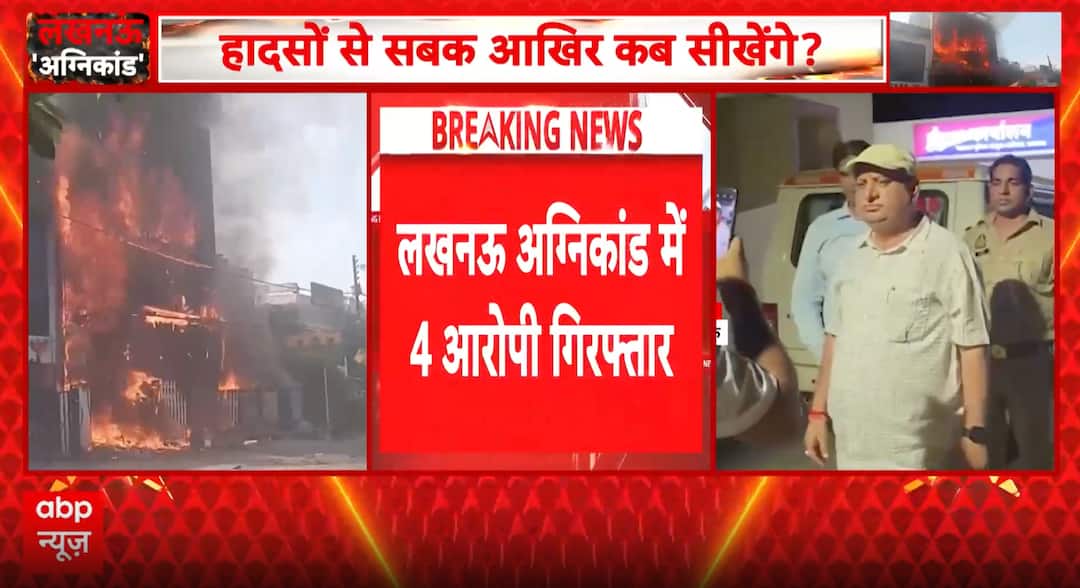
Fresh revelations from first responders have intensified scrutiny over the deadly Lucknow Aliganj fire tragedy that claimed 15 young lives. Members of the fire brigade team involved in the rescue operation have pointed to multiple structural and safety shortcomings that may have worsened the disaster and limited escape options for those trapped inside the building. According to firefighters who were among the first to reach the scene, the structure allegedly had only one narrow entry and exit route, leaving occupants with few options once smoke and flames spread through the premises. Rescue personnel stated that many students reportedly moved toward the rear sections of the building after the fire broke out but found no alternative escape path. They also indicated that access to the rooftop was restricted, which may have prevented trapped occupants from reaching a safer location until rescue teams arrived. Investigators and emergency responders have further highlighted the apparent lack of ventilation inside the building. Fire personnel described enclosed spaces where smoke accumulated rapidly, creating dangerous conditions that contributed to suffocation risks. Preliminary assessments have also raised concerns about the absence of adequate firefighting equipment, emergency preparedness measures, and compliance with basic fire safety requirements. The tragedy has fueled allegations that the building was being used commercially despite concerns over its design and safety infrastructure. Authorities are examining whether structural modifications, inadequate emergency exits, and the absence of a valid fire clearance contributed to the scale of the disaster. As investigations continue, families of the victims are demanding accountability and strict action against those responsible. The focus now remains on determining how multiple safety failures allegedly converged to turn a routine commercial establishment into one of the city’s deadliest fire incidents in recent years.

Lucknow Fire Horror: Rescue Team Flags Blocked Exits, No Ventilation and Serious Safety Lapses
Previous article

Next article