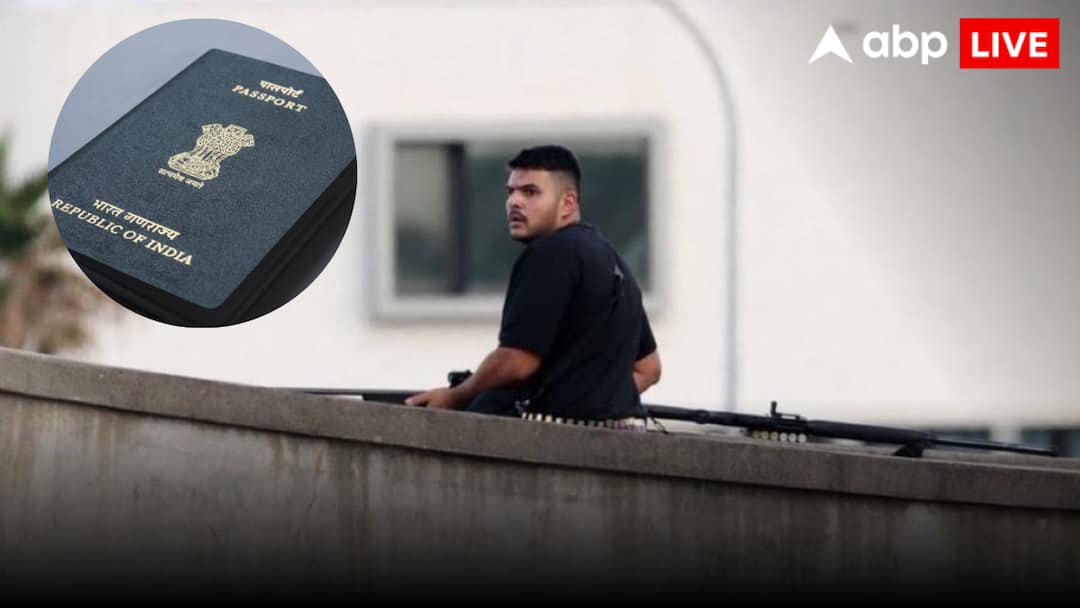

Telangana Police on Tuesday said Sajid Akram, the 50-year-old man killed in a police encounter following a deadly terror attack at Sydney’s Bondi Beach, had minimal contact with his family in Hyderabad for nearly three decades and did not return to India even after his father’s death.
The clarification comes amid a multi-country investigation into the December 14 mass shooting at a Jewish Hanukkah gathering, which left 16 people dead and more than 40 injured.
Early Life in Hyderabad, Migration to Australia
In a detailed statement, Telangana Police said Sajid Akram was originally from Hyderabad, where he completed a Bachelor of Commerce degree before migrating to Australia in November 1998. Despite settling abroad, he continued to hold an Indian passport, the police noted. However, his connection with India gradually weakened over the years.
Rare Visits and Minimal Family Contact
According to the police, Akram maintained limited contact with his relatives in Hyderabad over the past 27 years. After moving to Australia, he visited India only six times, largely for property-related matters and brief visits to his elderly parents.
“It is understood that he did not travel to India even at the time of his father’s demise,” the police statement said, underscoring the distance that had grown between him and his family.
The police statement comes as authorities across countries continue to investigate the Bondi Beach shooting, where Sajid Akram and his 24-year-old son, Naveed Akram, allegedly opened fire during a Hanukkah event. Fifteen people were killed in the attack, while at least 42 others sustained injuries. Sajid Akram was later shot dead during an exchange of fire with Australian police, taking the death toll to 16. Naveed Akram remains hospitalized and under police guard.
Travel to the Philippines Before the Attack
Earlier, the Philippines’ Bureau of Immigration confirmed that Sajid Akram was an Indian national and an Australian resident. The bureau said he had travelled to the Philippines shortly before the attack.
According to Dana Sandoval, a spokesperson for the bureau, Sajid Akram and his son arrived from Sydney on November 1, 2025, listed Davao as their final destination, and departed the country on November 28 on a return flight to Sydney.
Australian officials have said this travel, including time spent in Davao in Mindanao, a region with a history of Islamic State-linked activity, forms a key part of the ongoing investigation.
Family Life in Australia
Telangana Police said Akram married a woman of European origin after settling in Australia. The couple had two children, a son and a daughter, both Australian citizens. Family members in India, the police added, have expressed no awareness of any alleged radical ideology, activities, or circumstances that may have contributed to his radicalisation.
“The factors that led to the radicalisation of Sajid Akram and his son Naveed appear to have no connection with India or any local influence in Telangana,” the statement said. The police also confirmed that there was no adverse record against Sajid Akram during his time in India before he left the country in 1998. Australian Prime Minister Anthony Albanese has described the Bondi Beach shooting as a targeted terrorist attack motivated by Islamic State ideology.
As investigators piece together the timeline of events and movements leading up to the attack, authorities have emphasised that the inquiry remains active, with a focus on international travel, possible ideological influences, and the broader security implications of the case.