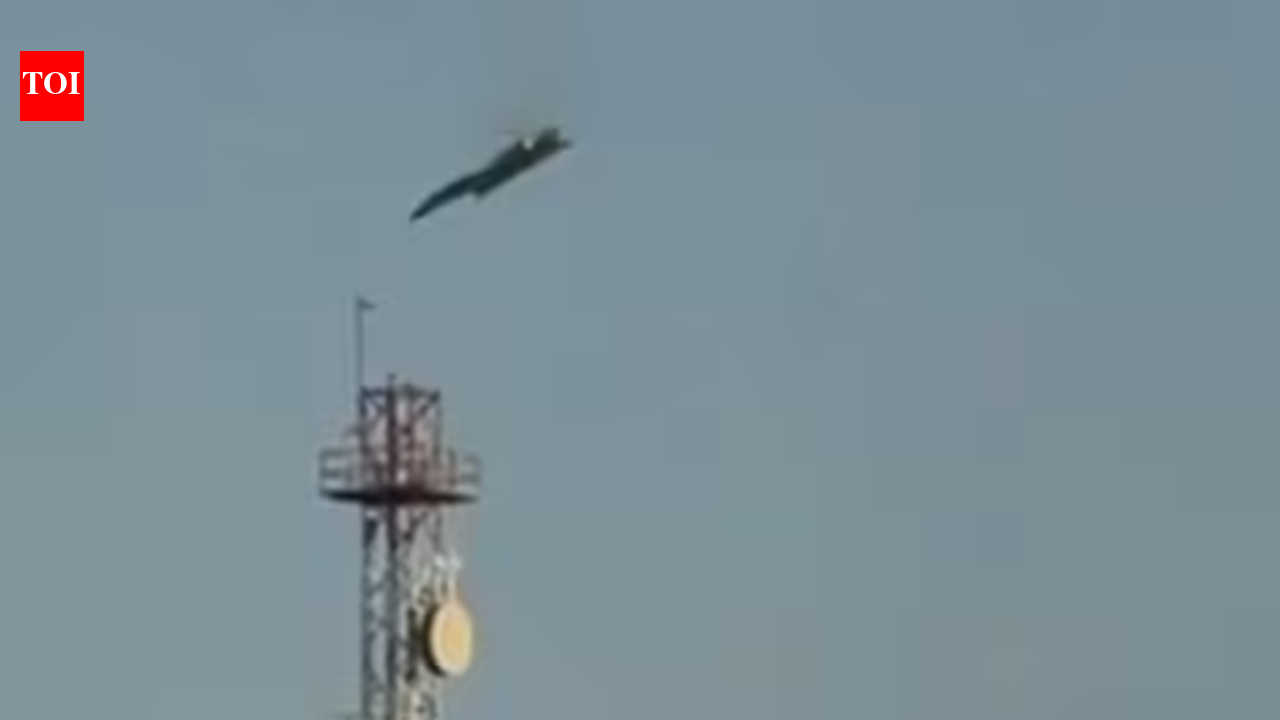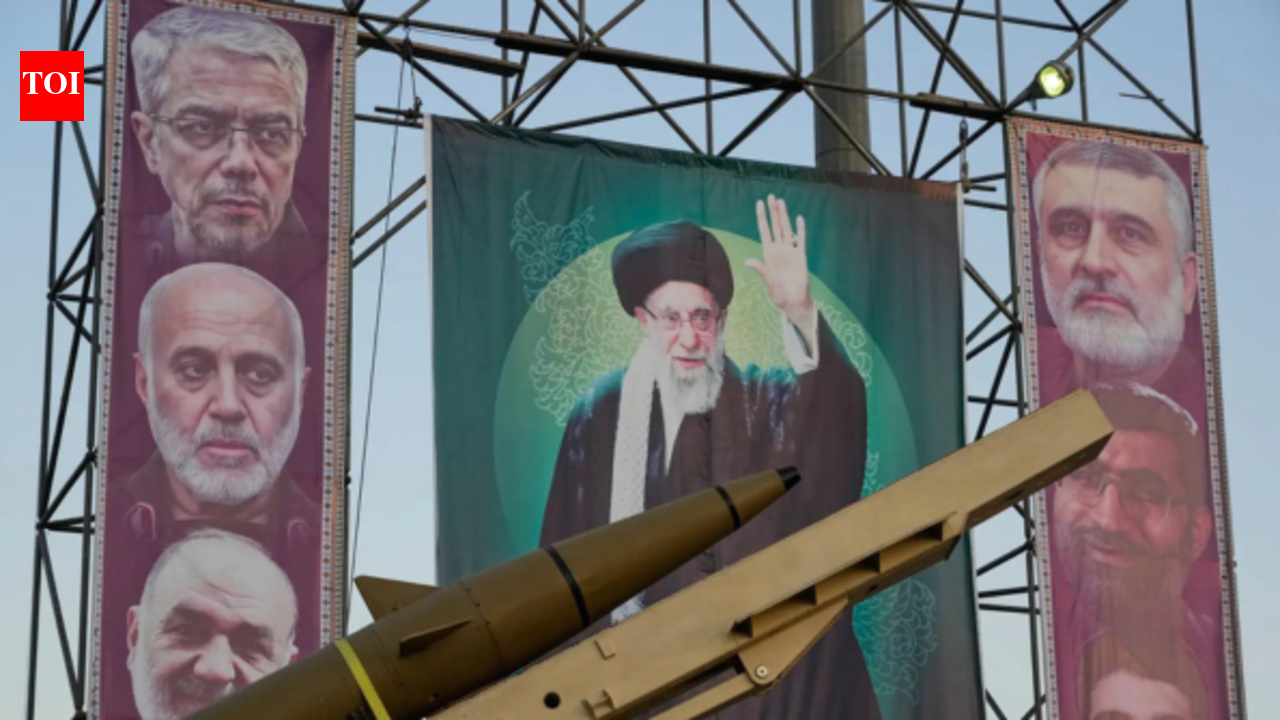

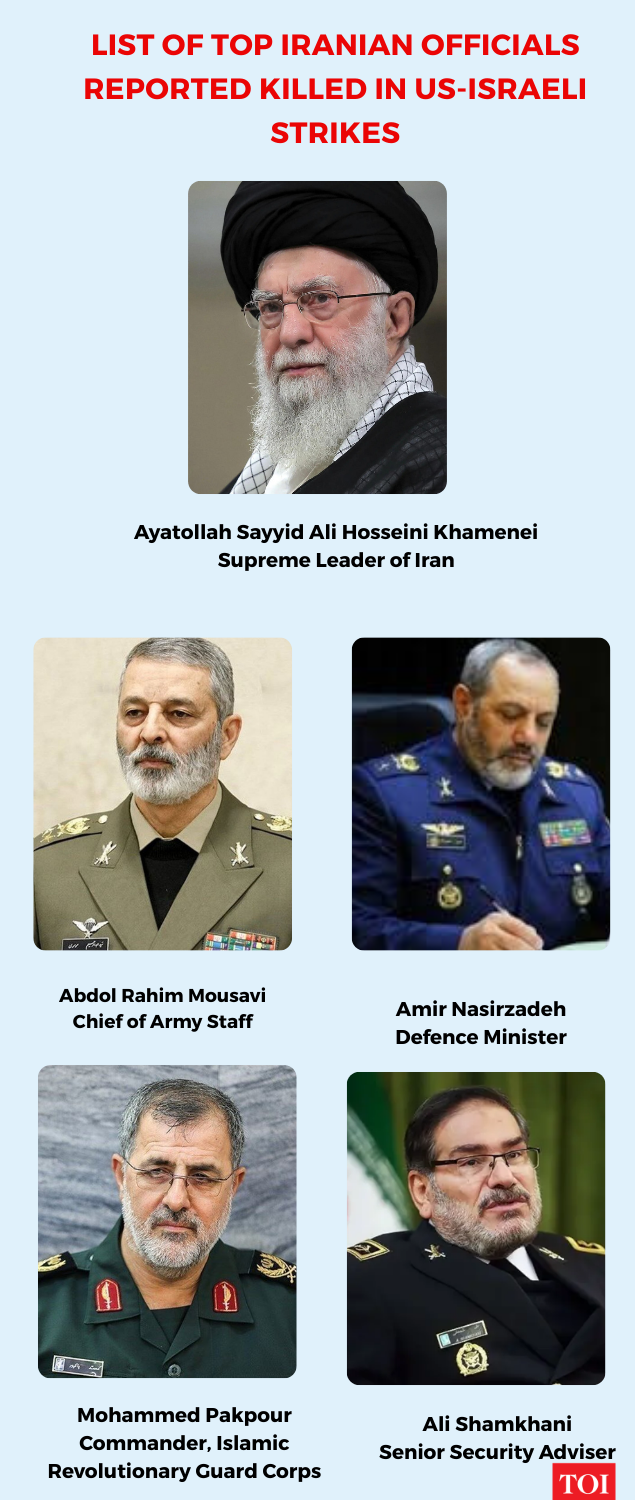
Middle East is burning. US, Israel and Iran are engaged in a military conflict, de-stabilising the whole region. The targeted killing of Iran’s Supreme Leader, Ali Khamenei, by the United States and Israel marked one of the most consequential escalations in the region in decades.In Washington and Tel Aviv, the expectation appears clear: remove the apex of the Islamic Republic’s power structure and the system beneath it will begin to fracture, potentially opening the door to long-sought regime change after more than four decades of Khamenei’s rule.
But Tehran’s immediate response suggests a far more complex reality. Iran has moved quickly to signal continuity rather than collapse, activating its constitutional succession mechanism through the assembly of experts and appointing Alireza Arafi as interim Supreme Leader.
Israel attacks Iran
Even as missiles fly across the region, the state has projected resilience, politically at home and militarily abroad.Now the question is, what was intended as a decapitation strike, will it backfire?
Will regime change strengthen the system?
Iran’s economy is shattered. Dissatisfaction towards the current dictatorial set up is high, especially after the crackdown on protestors left thousands dead and under arrest earlier this year. Given this scenario, regime change seems smooth. However, it’s not.The Islamic Republic was not built around one man alone. Over 47 years, it has evolved into a layered system of clerical oversight, security institutions, patronage networks and ideological enforcement mechanisms designed precisely to withstand external shocks. A successor can be appointed, military commanders replaced, and governance routines restored. Air power, however devastating, does not easily unravel a political order that has institutionalised succession and embedded itself deeply within the state’s bureaucracy and security apparatus.In fact, external assault may complicate, rather than hasten, regime change. Even weakened and unpopular at home, the Islamic Republic retains tools of coercion and mobilisation. The Islamic Revolutionary Guard Corps remains intact, and its regional proxy architecture, from Hezbollah in Lebanon to the Houthis in Yemen, provides Tehran with escalation options that can raise the costs of war for the United States and Israel.
Short-term retaliation across Iraq, Syria or the Red Sea could transform a bilateral confrontation into a regionwide conflict, pressuring Gulf states and global markets. Such dynamics may buy the regime time, shift diplomatic calculations, and make outside powers wary of pushing for outright collapse.
Are US-Israel strikes pushing Middle East to war?
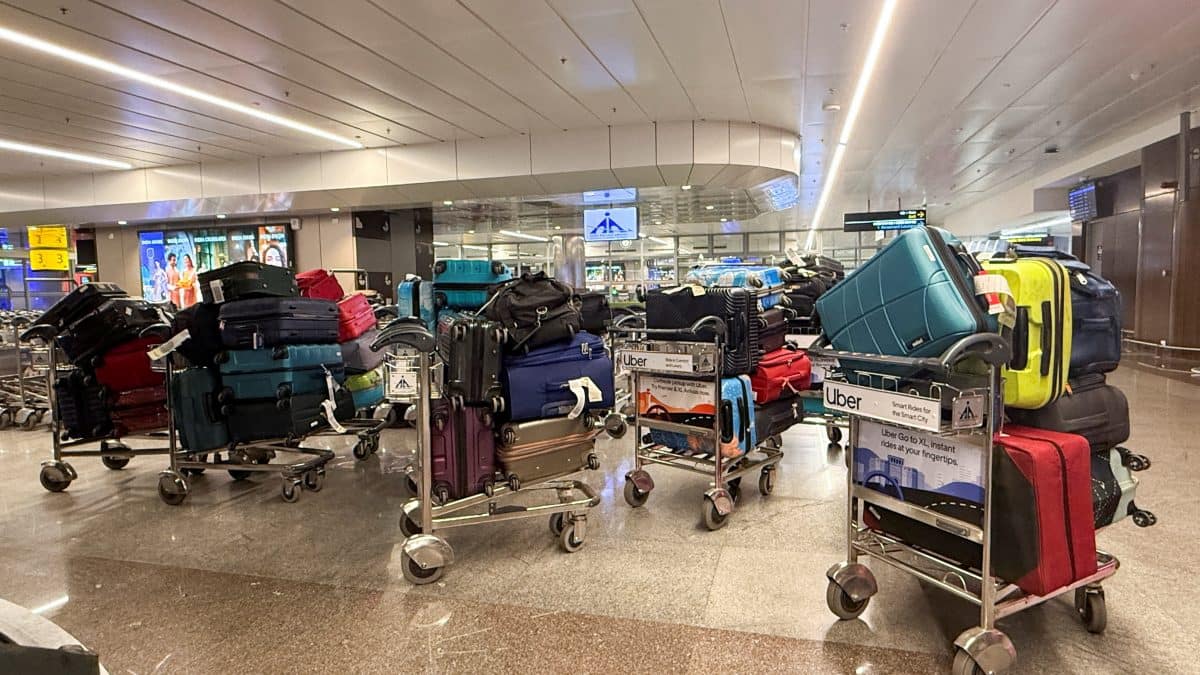
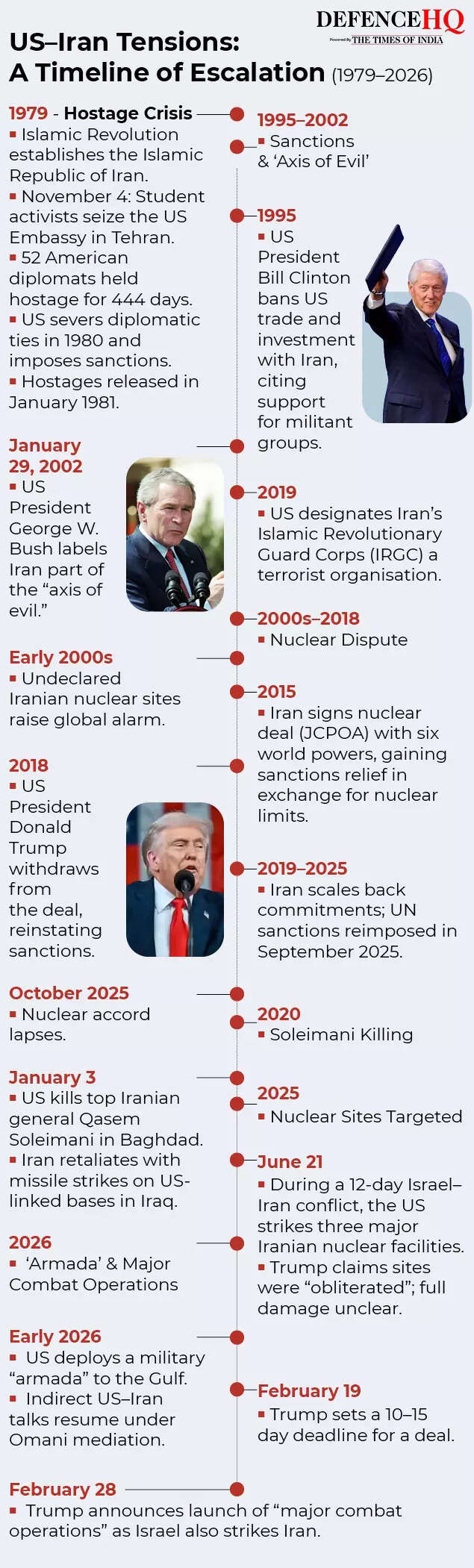
What began as a targeted strike has rapidly metastasised into a regionwide confrontation. In the days following the killing of Ali Khamenei, Israel and the United States expanded air operations across Iran, but the response has not been confined to Iranian territory. Hezbollah rockets from Lebanon, missile strikes on Gulf targets, explosions in Dubai and Manama, and attacks on shipping in the Strait of Hormuz signal that the conflict is no longer bilateral. With a Saudi oil refinery ablaze, smoke rising near the US embassy in Kuwait, and even a drone strike on a UK base in Cyprus, the theatre of war has widened dramatically. The very escalation intended to deter Tehran appears instead to have unlocked multiple fronts.For Washington and Tel Aviv, the strategic gamble is beginning to look perilous. The entry of Hezbollah, confirmed by Iran’s Islamic Revolutionary Guard Corps, risks turning the confrontation into a prolonged, multi-actor war stretching from Lebanon to the Gulf. Gulf monarchies that host US forces now find themselves under direct threat, with key energy infrastructure targeted and commercial aviation disrupted. Far from isolating Iran, the strikes have created a shared vulnerability across the region, raising oil prices, paralysing trade routes and amplifying diplomatic pressure for de-escalation. The chaos undercuts the narrative of swift, decisive action and instead projects instability that could erode allied confidence.Politically, the offensive may also be backfiring. Calls by US President Donald Trump and Israeli Prime Minister Benjamin Netanyahu for Iranians to overthrow their government have coincided with a surge in nationalist rhetoric in Tehran. Iranian leaders have framed the attacks as a broader assault on sovereignty and the Muslim world, reinforcing internal cohesion at a moment of crisis.
Nuclear risks and international fallout
Strikes on Iran’s nuclear infrastructure have introduced a layer of danger that extends far beyond the battlefield. Facilities such as Natanz, where the International Atomic Energy Agency has previously reported uranium enrichment at 60 per cent purity, are not conventional military targets. Damage to enrichment halls, fuel production units or storage sites carries the risk of radiological leakage, particularly in a region dotted with operational nuclear reactors and research facilities. IAEA chief Rafael Mariano Grossi has warned that further attacks could trigger a radiological release with “serious consequences,” potentially requiring evacuations and sparking cross-border contamination fears. Even if contamination remains contained, the perception of nuclear insecurity alone can rattle global markets and heighten public anxiety across the Gulf.Beyond safety concerns, the diplomatic architecture surrounding Iran’s nuclear programme is under acute strain. Military escalation sidelines inspection regimes and undermines whatever limited oversight mechanisms were still functioning. If Tehran responds by curtailing cooperation or accelerating enrichment, the confrontation could shift from a conventional military clash to an overt nuclear crisis. That, in turn, would widen geopolitical divisions, complicate UN diplomacy, and sharpen rivalry among major powers. Instead of neutralising a proliferation risk, the current trajectory may weaken monitoring safeguards and increase the likelihood of a more opaque and dangerous nuclear standoff. Go to Source