
NYC’s new delivery worker law takes effect January 26, 2026, as Zohran Mamdani sues one app and warns 60 others of shutdowns/ Youtube
New York City has escalated its confrontation with delivery app companies, filing a lawsuit against one operator it accuses of widespread wage theft while simultaneously warning more than 60 platforms that tougher worker protections will be enforced from late January. The moves, announced by Mayor Zohran Mamdani and senior city officials, mark the most aggressive phase yet of the administration’s push to reshape conditions for the city’s delivery workforce.
Warning letters and a hard deadline
On Thursday, the administrationsent formal notices to more than 60 delivery app companies, including DoorDash, Instacart and Uber, warning them to comply with amendments to New York City’s Delivery Worker Laws by 26 January 2026.
“Amendments to the Delivery Worker Laws go into effect on Jan. 26, 2026,” wrote Department of Consumer and Worker Protection Commissioner Sam Levine in the letters. “We expect your company to be in full compliance on that date… We will be closely monitoring for violations of law and will take follow-up action as warranted.”The changes, passed by the City Council last year, extend the city’s minimum pay standard to grocery delivery apps such as Instacart, bringing them into line with restaurant delivery platforms. They also give workers the right to set maximum delivery distances, a provision designed to reduce pressure on couriers to accept long trips for fear of losing access to work.
Public pledge of enforcement
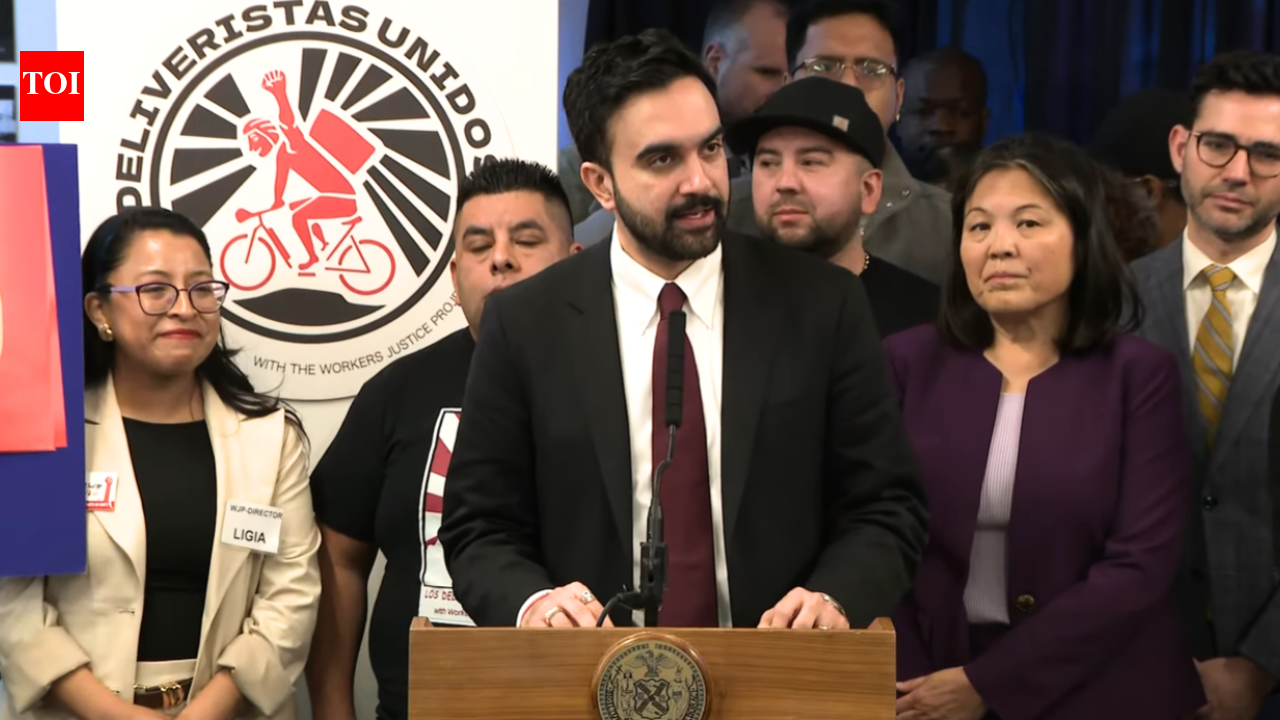
Mayor Mamdani underlined the administration’s intent at a press conference held at the Worker’s Justice Project headquarters in Williamsburg, home to Los Deliveristas Unidos, the delivery worker organisation that has pushed for expanded labour protections.“No longer will we tolerate corporate mistreatment of workers across these five boroughs,” Mamdani said. “Which is why we have sent warning letters to 60 app companies warning them that new laws protecting workers will take effect on Jan. 26 of this year, and that those laws will be enforced.” Levine, a former official in the Biden administration’s Federal Trade Commission, said the letters were meant to leave no ambiguity about the city’s intentions. “I want these companies to start following the law,” he told Streetsblog. “My hope is that they realize they are in a new era and start coming into compliance, and that’s why we sent those letters.”Under the amended laws, companies face fines, lawsuits and even licence revocation if they fail to comply. The rules also require platforms to offer customers the option to tip at checkout rather than only after delivery, and to provide workers with itemised pay statements explaining how earnings are calculated.
Motoclick lawsuit signals zero tolerance
Alongside the warning letters, the city filed a case in New York State Supreme Court against Motoclick, a restaurant-facing delivery app it accuses of egregious violations of the Delivery Worker Laws. According to the Department of Consumer and Worker Protection, Motoclick ignored the city’s minimum pay rate and directly deducted money from workers’ earnings, including charging a $10 fee for cancelled orders and docking the full cost of refunded meals.“Motoclick and its CEO tricked New Yorkers into working for their platform with false promises and then stole their tips and earnings – sometimes even driving workers into debt,” said Levine. “We are seeking to shutdown this company and other predatory apps should be on notice. If you scam your workers, we will hold you and your executives accountable.”The department estimates that Motoclick and its chief executive, Juan Pablo Salinas Salek, owe workers millions of dollars in stolen pay and damages, and is seeking to shut the company down entirely.Mamdani framed the lawsuit as part of a broader shift in city policy. “Deliveristas make millions of New Yorkers’ day-to-day lives easier only for their own to be difficult. Today, however, marks the end of a chapter of thankless exploitation,” he said. “Our Department of Consumer and Worker Protection is already cracking down on everything from baseless violations of the law to deceptive tricks that hurt our delivery workers, and showing what a government that puts working people first can accomplish every day.”Deputy Mayor for Economic Justice Julie Su described the case as a warning shot to the wider industry. “Today’s lawsuit against Motoclick is not just an action against one company, it’s a warning to every app-based company from this Administration. You cannot treat workers like they are expendable and get away with it. We will seek full back pay and damages. We will seek full accountability.”
Tipping rules and industry backlash
The enforcement push comes amid a broader fight over tipping practices. A recent report by the Department of Consumer and Worker Protection found that delivery workers have lost as much as $550 million in tips since Uber and DoorDash moved the tipping option to after checkout. According to the report, the average tip fell from more than $3 to less than $1 after the change, while platforms that kept tipping at checkout, such as Grubhub, did not see a comparable decline.DoorDash and Uber Eats have sued the city over the new tipping law, arguing that it violates their free speech rights and will make deliveries more expensive for customers. A DoorDash spokesperson said the company’s position remained unchanged: “Despite what DCWP Commissioner Levine thinks, our goal remains the same: to empower local economies and connect New Yorkers with the restaurants and businesses they love. [DoorDash workers] continue to earn fairly on our platform and customers continue to have the ability to tip post-checkout.”
Other companies struck a more conciliatory tone. Wonder, which now owns Grubhub, Seamless and Relay, confirmed it had received the mayor’s letter and said it would work with the administration. “Delivery drivers provide an essential service to millions of New Yorkers, and we look forward to partnering with the Mayor’s office on smart policy that makes delivery work better for everyone,” a spokesperson said.
A broader compliance blitz
Levine said the Motoclick lawsuit and the warning letters were part of a wider compliance blitz tied to several local laws taking effect on 26 January. These include Local Laws 107 and 108 on tipping protections, Local Law 113 on pay transparency, and Local Laws 123 and 124 expanding minimum pay coverage, payment timelines and bathroom access for delivery workers.As the deadline approaches, the administration has made clear that enforcement will not be symbolic. With litigation already under way and dozens of companies on notice, New York is signalling that the next phase of its delivery worker reforms will be driven not by negotiation, but by penalties, court action and, if necessary, shutdowns. Go to Source