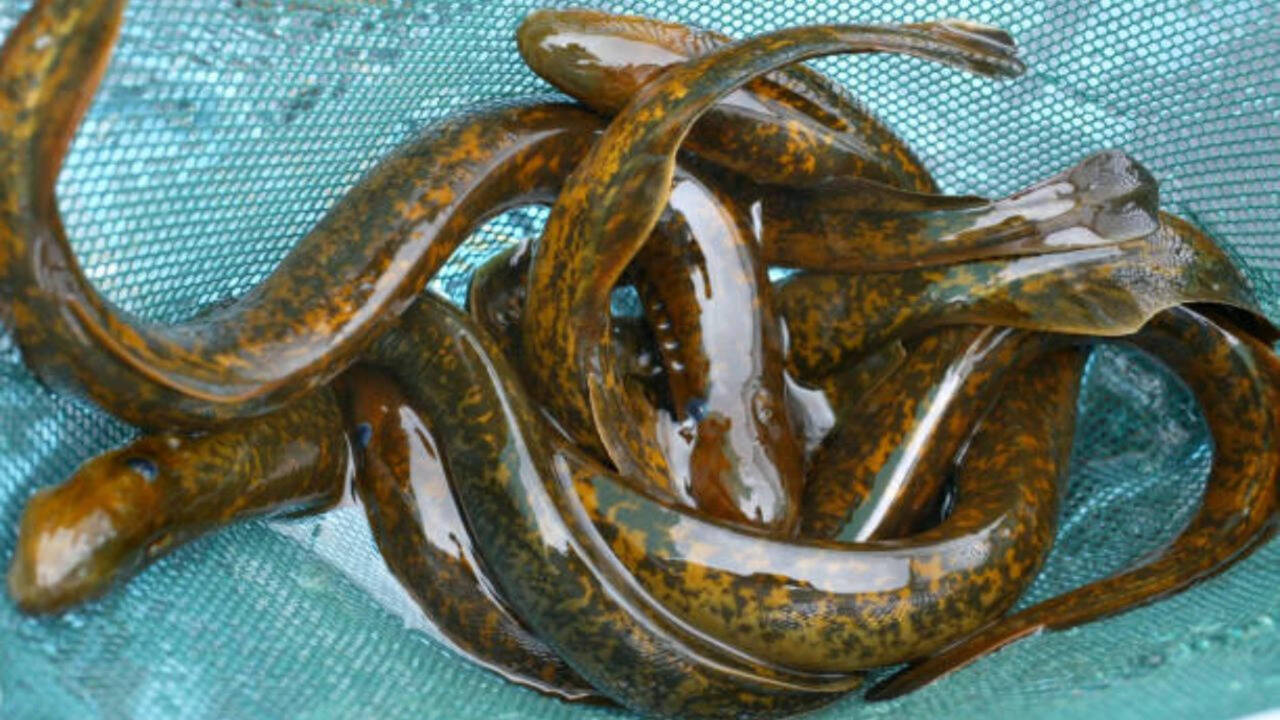

At the June meet-and-greet organised by the GLFC, half a dozen sea lampreys posed for the cameras at the Capitol. One of them even sucked on the palm of Representative Bill Huizenga, as per a CNN report. Among the few things the entire Congress agrees on, this is one: the invasive sea lampreys must go.For the American coasts that thrive on their seafood population, the invasive species, also known as ‘vampire’ fishes or the ‘vampire’ of the Great Lakes, has had a devastating impact on the lakes’ trout, salmon and whitefish population. And thus, have inspired what scientists often call the ‘forbidden experiment’.
Arrival of sea lampreys
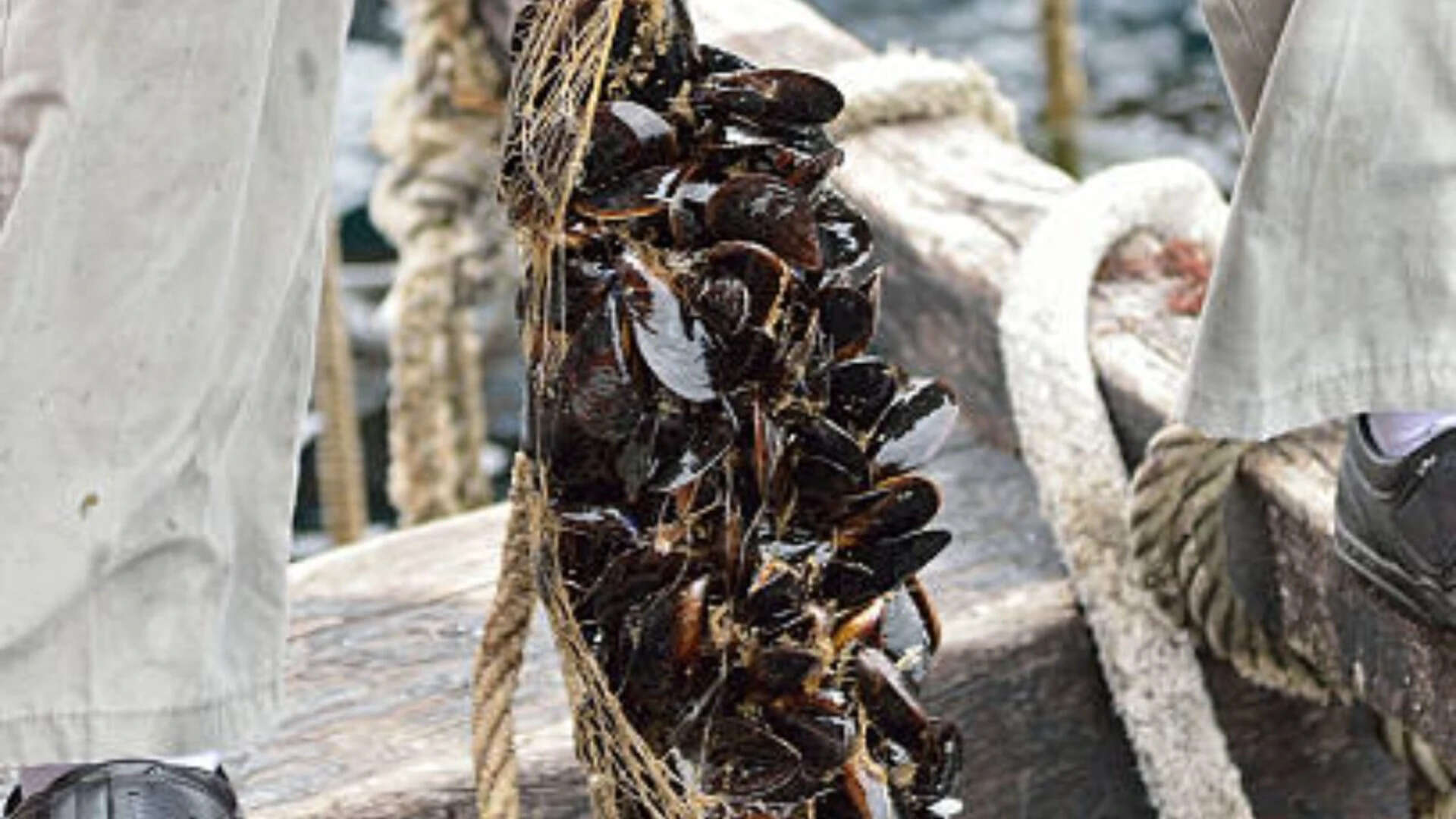
Other species like the quagga mussel and zebra mussel are now plaguing the lakes.
Sea lampreys are only one of the 186 invasive species among the 3,000 species in the Great Lakes. Other species like the quagga mussel and zebra mussel are now plaguing the lakes. The mussels arrived in ballast water from commercial vessels in the 1980s, and since then have impacted the survival of fish eggs, caused toxic algae blooms, and outcompeted native mussels. Invasive mussels are also a suspected factor in the rise of avian botulism die-offs in recent decades. They concentrate botulism, and another invasive species, the round goby, eats the mussels. Scientists have theorised that poisoned gobies become paralysed and easy prey for birds, which then die from the toxin. There is currently no way to safely eliminate them from the Great Lakes.“They strip the nutrients and plankton out of the water column and collapse the food web that whitefish and other species depend on. In Lake Huron, the whitefish decline has tracked almost in lockstep with the rise in mussel biomass,” said Vito Figliomeni, executive director of the Ontario Commercial Fisheries’ Association.As per a CNN report, legislation is before Congress that would task the commission with finding a control. The bipartisan bill, dubbed the “Save Great Lakes Fish Act of 2025,” proposes a $500 million budget spread across 10 years to find a solution. Go to Source