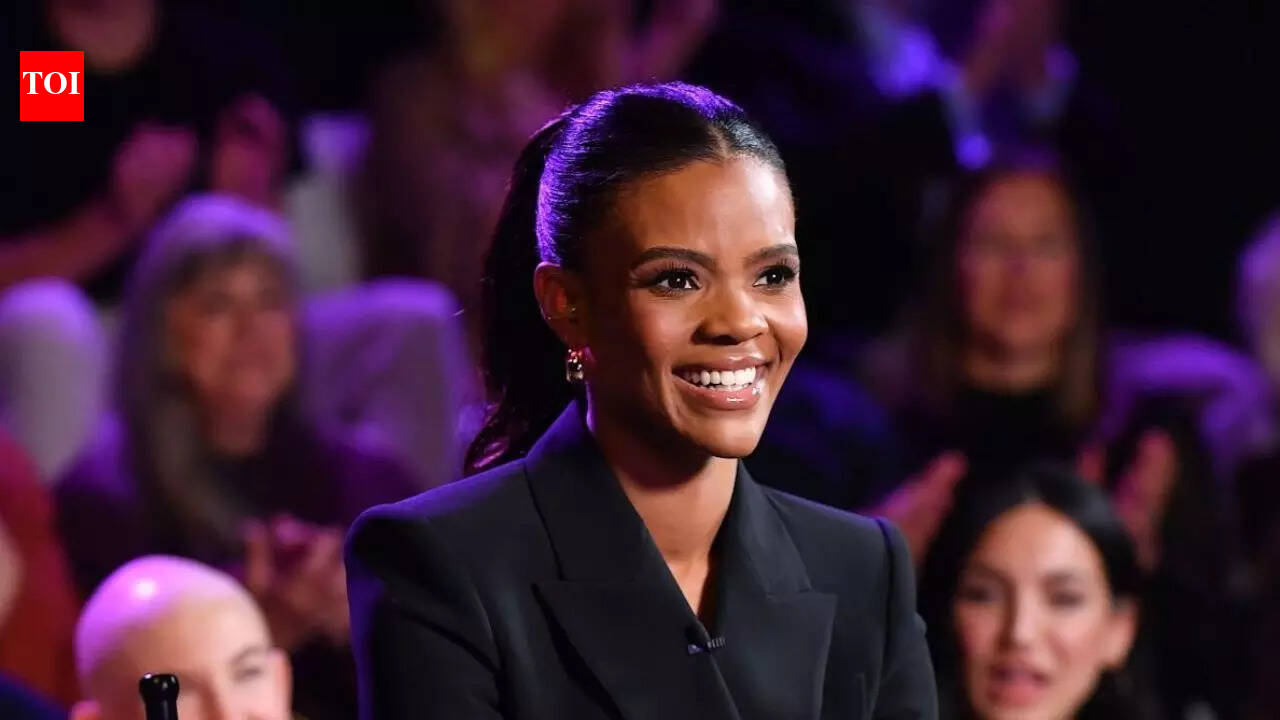


In 2024, Candace Owens announced her conversion to Catholicism, describing it as a decision to “go home” after a personal spiritual journey. Known for her firm political stances, Owens’ move surprised some but reflected her long search for moral clarity and truth. Her public declaration sparked debate, adding a new faith dimension to her already influential public life.
When Candace Owens announced in 2024 that she had changed her faith to Catholicism, the news destination organically went viral and then with astounding velocity. It was no press road trip, no dramatic unveiling, and merely a brief message that said there would be a lengthy journey inside. To a man who was an antagonist and guaranteed things, the change came with another meaning. It was thoughtful, almost, nearly, reserved. Such a contrast itself was enough to attract attention, particularly the eyes of audiences that have been keeping up with the transformation of her soundbites to something beyond the partisan lines.
Why did Candace Owens say she had “come home” to Catholicism?
The timing mattered. Owens had spent years challenging dominant narratives, often at personal and professional cost. By the time she spoke about faith, many observers sensed that something deeper than politics was at work. Her decision did not arrive as a branding exercise. It arrived as a conclusion. In a digital age built on noise, the calmness of the moment became part of the story.
Owens shared her decision on social media with a message that revealed both certainty and patience. She wrote, “Recently, I made the decision to go home. There is of course so much more that went into this decision and that I plan to share in the future. But for now, praise be to God for His gentle, but relentless guiding of my heart toward Truth.” The words pointed less to arrival and more to surrender, a theme that resonated with supporters and critics alike.Her conversion followed years of public stances that placed her at odds with powerful institutions. She challenged Covid policies early, opposed vaccine mandates, and broke ranks with conservative peers on issues ranging from Big Pharma to foreign policy. Each position narrowed her alliances. Yet she remained consistent in one way. She framed every argument as a moral question, not a tactical one. That habit now appears central to her turn toward Catholicism. The choice also stood out because it offered no obvious career upside. A softer path was available. Silence was available. Instead, Owens aligned herself with an institution facing its own crises and contradictions. For many readers, that detail mattered. It suggested continuity rather than reinvention.In 2024, public conversions often draw suspicion. Owens’ did the opposite for some. It reopened an old discussion about belief in public life and whether conviction can still exist without calculation. Whether admired or disputed, her decision marked a clear point in her personal timeline. It was not framed as an endpoint. It was framed as home.