
Representative image
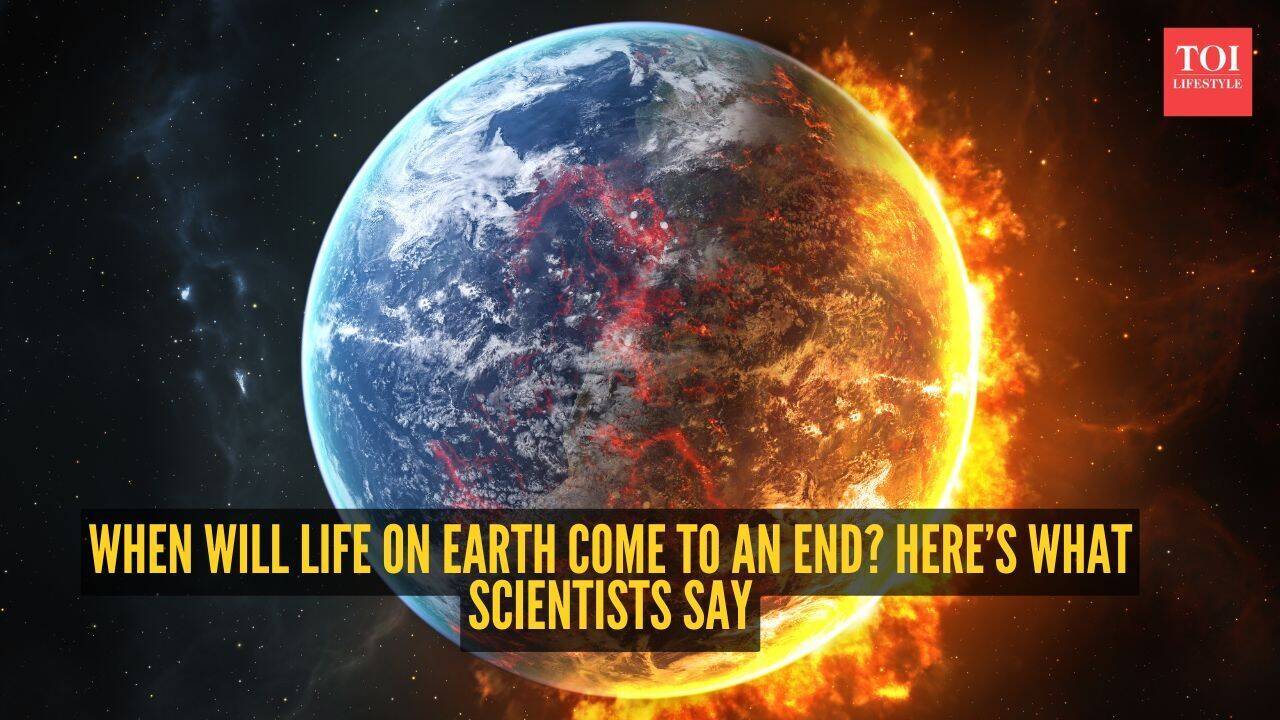
Life on Earth has an expiry date, but it is probably not the dramatic disaster movie ending many people imagine. Instead of a sudden asteroid strike or a single catastrophic event, scientists think the planet’s final chapter will unfold slowly, quietly and over an almost unimaginable stretch of time. Trees, flowers, grass and eventually nearly all life will vanish — not in one instant, but piece by piece. The real question is when that will happen.
A new study offers one of the clearest answers yet.A future shaped by the Sun
According to the research, Earth’s plant life could survive for about 1.8 billion more years. After that, conditions on the planet are expected to become too harsh for most vegetation to continue thriving. The main reason is the Sun itself, which is slowly becoming brighter over time.That extra solar energy may sound harmless now, but on a geological scale it changes everything. As the Sun grows hotter, Earth will gradually become less welcoming.Temperatures will rise, oceans will shrink, and the atmosphere may eventually lose too much carbon dioxide for plants to carry out photosynthesis effectively. Without that process, the foundation of most life on Earth begins to weaken.In the distant future described by the study, plant life may last almost until Earth loses its oceans and becomes permanently uninhabitable. Long before that point, humans and animals are expected to be gone.
How scientists reached that estimate
The study, carried out by researchers from the University of Colorado Boulder and Blue Marble Space in Seattle, was published in JGR Atmospheres.To understand Earth’s far future, the team used a three-dimensional climate model rather than relying on simpler estimates.That matters because the climate system is not just about heat. Clouds, rainfall, ocean circulation and atmospheric movement all affect how a planet behaves. By including those factors, the researchers were able to paint a more detailed picture of how Earth might change over the next two billion years.There were two main possibilities they considered.In one, carbon dioxide keeps falling over time because rocks absorb more of it. In the other, carbon dioxide stays relatively stable while the planet continues warming. In both scenarios, the broad conclusion was the same: plant life could persist far longer than many earlier models had suggested.That is a remarkable result, because it means Earth may remain biologically active for far longer than people once assumed — even if the living world becomes smaller, harsher and less diverse over time.
The last plants standing
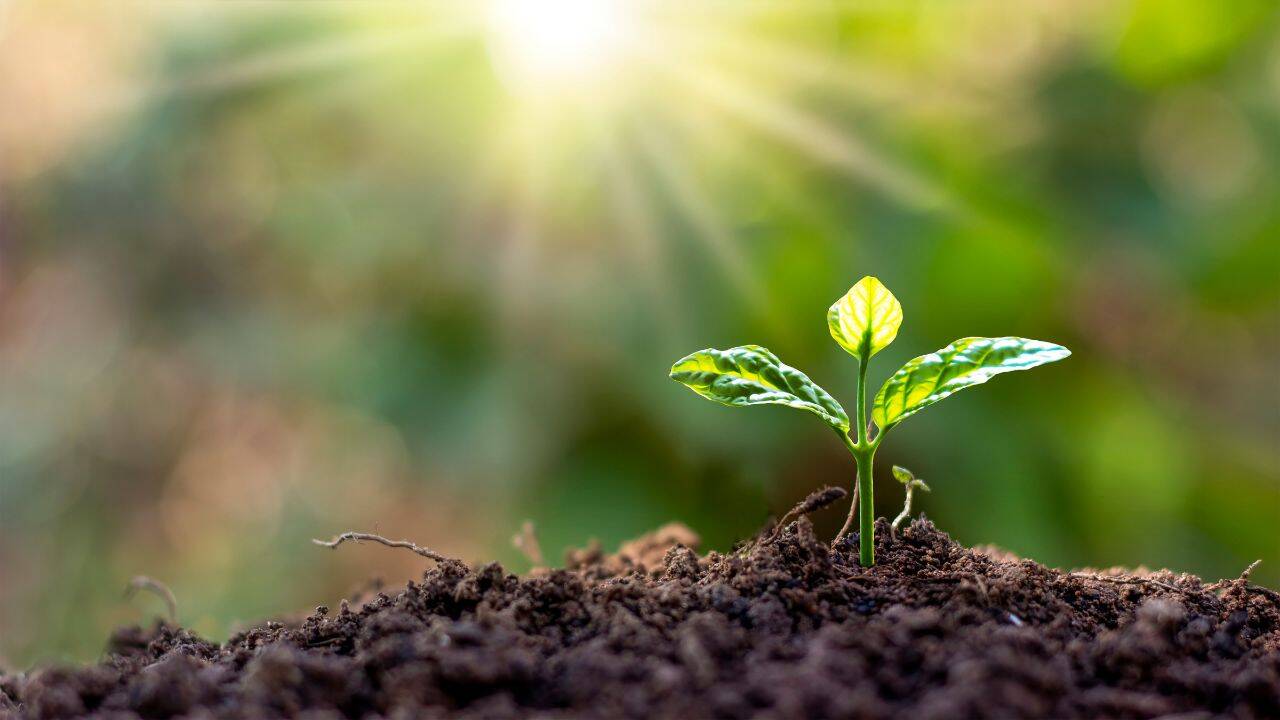
Not every plant would disappear at the same time.The survivors would probably be the hardiest species . Those adapted to dry, extreme conditions .Think of plants that can cope with drought, intense sunlight and limited water. Cacti are the obvious example, but other resilient species may also hold on long after more delicate vegetation has died out.Some plants with specialised forms of photosynthesis may also have an advantage. These are the plants that already perform well under stressful environmental conditions. In a hotter, drier world, that resilience could make all the difference.Still, survival would not mean comfort.As the climate warms and the atmospheric composition changes, it will become increasingly difficult to maintain the conditions needed for healthy plant growth. The green world we know today will gradually dwindle into pockets of survival, and then disappear altogether.Why this ending would be so quietWhat makes this study especially striking is not just the timescale, but the kind of ending it predicts. This is not a sudden catastrophe with fire, impact and instant destruction. It is a slow fade.That is a very different picture of planetary doom. Instead of a single violent instant, the Earth would likely see a slow decline as ecosystems thin, oceans retreat and the atmosphere becomes less hospitable to life.The last living things would not necessarily go out with a bang. They would simply struggle, adapt, weaken and eventually disappear.There is something eerie about that idea. It suggests that Earth’s ending may be less like a crash and more like a sunset that lasts billions of years.
Is this the final word?
Not necessarily. The researchers did not include everything that could happen over such enormous spans of time. They did not account for how plants might evolve in the future, or how future human technology might alter the planet’s trajectory.That leaves room for uncertainty. Life has a long history of surprising scientists, and evolution can come up with unexpected solutions when environments change. The study even suggests the possibility that plants could adapt to hotter conditions, maybe finding new ways to survive if the climate continues to shift.Human technology, if it still exists in any meaningful form at that point, could also change the story. Future interventions might alter atmospheric conditions, preserve ecosystems or even move life into environments that do not yet exist.So the study offers a good estimate, but it’s not a definite countdown clock.It is more like a scientifically grounded forecast of what may happen if the planet keeps following its current long-term path.
What the study really tells us
The biggest takeaway is not just that Earth has a distant expiration date. It is that life is both fragile and stubbornly persistent.Plants can survive much longer than expected even in extreme conditions. That resilience says a lot about the strength of life on this planet.At the same time, the study is a reminder that Earth is not static. Stars evolve, climates shift and planets change over time whether life is ready or not. The world that supports forests, oceans and fields today will not remain unchanged forever.For now, though, the message is less about fear and more about perspective. The end of life on Earth is unimaginably far away, but it is not impossible. And when it does come, it may arrive slowly, quietly and with the fading of the last green things on the planet. Go to Source