
‘Never interrupt your enemy when he is making a mistake’
In the high-pressure world of corporate mergers, political campaigns, and legal battles, the urge to react is often very strong. When an opponent makes a public mistake, the natural human reaction is to attack immediately, point out the weakness, and claim victory. However, the most powerful response in competitive strategy is often no response at all.This surprising patience is captured by the famous saying: “Never interrupt your enemy when he is making a mistake.” The quote does not support doing nothing out of weakness. Instead, it shows the power of self-control and timing. It suggests that when an opponent is harming themselves through poor decisions, interfering too soon can stop their mistake from fully developing, warn them of the danger, or bring their divided attention back together. By staying out of the way and allowing the mistake to continue, a strategist makes sure the opponent carries the full cost of their own decisions. This remains a major lesson in human conflict because it values timing and discipline over unecessary aggression.
The frozen fields of Austerlitz
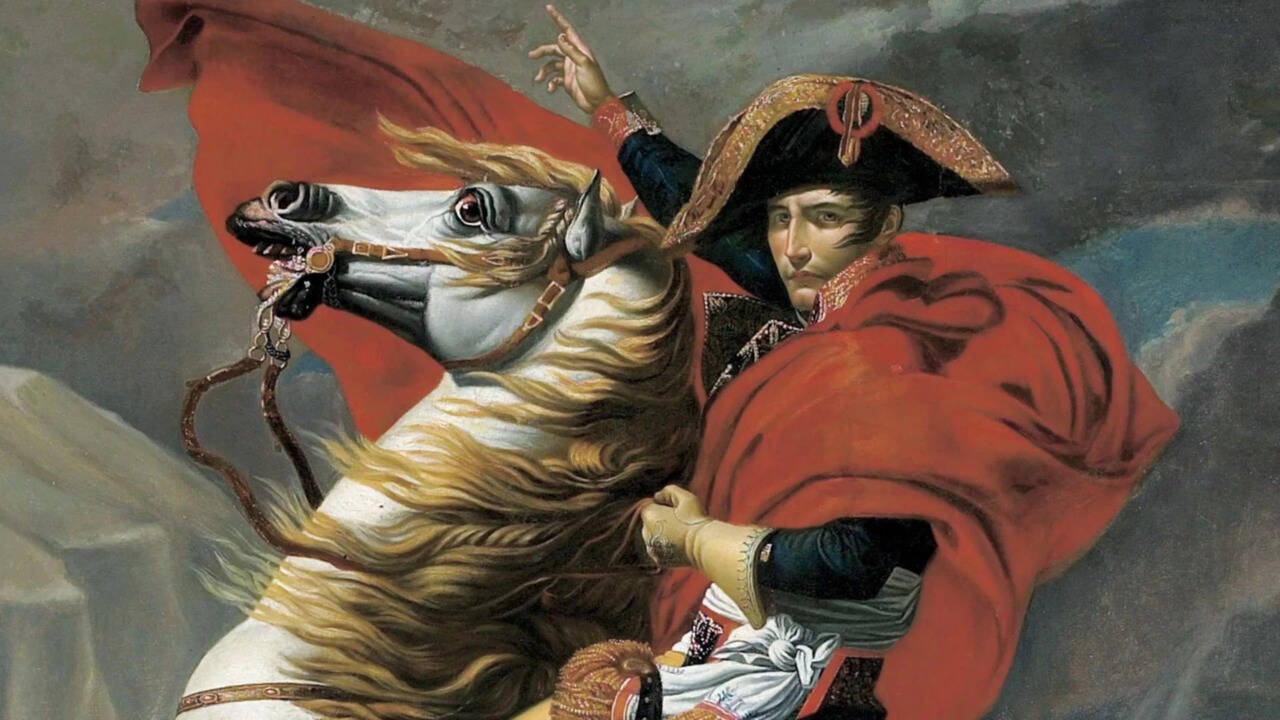
Although popular culture often connects the modern wording of the quote with Napoleon Bonaparte, historical records show that the French Emperor followed this exact idea during one of his greatest victories. On 2 December 1805, Napoleon faced the combined armies of Russia and Austria at the Battle of Austerlitz. As the morning fog lifted, Napoleon saw that the Allied commanders were leaving the Pratzen Heights, the most important position in the center of the battlefield. They were making an aggressive attempt to attack the French right side, but their movement had created a serious weakness. Napoleon’s officers became worried and urged him to launch an immediate attack. Napoleon refused. Historical accounts from Antoine-Henri Jomini’s 1827 work, Vie Politique Et Militaire De Napoléon, describe Napoleon explaining his decision to Marshal Soult: “Quand l’ennemi fait un faux mouvement, il faut se garder de l’interrompre.” Later historians translated this idea into the famous English version used today.Napoleon understood that attacking too early would have warned the Russian and Austrian commanders about their mistake. They might have stopped their movement and strengthened their position. Instead, Napoleon waited until the Allied center was weak and exposed. He then launched a sudden attack that broke their army into two parts, leading to a major victory and the collapse of the Third Coalition against France.
The discipline of strategic non-interference
Behind the simple meaning of the phrase is a deeper understanding of human behavior and decision-making. When people commit to a bad strategy, they are often trapped by overconfidence, a desire to prove themselves right, or a refusal to change direction. If an outside opponent attacks them during this process, it creates a new external threat. This can force them to recognize the problem, adjust their strategy, or unite their people against the outside attacker.The idea also connects with ancient Eastern military thinking, especially the teachings of Sun Tzu in The Art of War, which focus on gaining advantage by allowing opponents to expose their own weaknesses. True strategic patience requires controlling personal emotions. A leader must care more about the final result than the immediate satisfaction of attacking an opponent. The main idea is that an enemy’s mistake is a valuable opportunity, and that opportunity should not be destroyed by acting too quickly.
Real-world application in modern competition
In modern public life, the ability to avoid unnecessary reactions often separates experienced leaders from impulsive ones. Many companies lose their position in the market not because competitors defeat them directly, but because they make internal mistakes while rivals patiently wait.A clear example appeared during the early 2010s smartphone competition. When a major tech company released a highly promoted flagship phone that experienced serious battery problems and worldwide recalls, its main competitor did not launch a harsh public attack or mocking advertising campaign. Instead, the rival company continued its own plans quietly and allowed customers, news organizations, and regulators to focus on the product failures. By staying silent, it benefited from customers moving toward its products without creating additional public controversy.The same principle appears in political campaigns. During elections, candidates often damage their own campaigns through scandals, poor communication, or internal conflicts. Experienced political strategists understand that attacking too aggressively can sometimes help the opponent. A negative story that was originally about one candidate’s mistake can become an argument between two sides. By staying quiet, a campaign allows the public attention to remain focused on the opponent’s problem.
Knowing when to break the silence
The real skill behind this principle is knowing when it should not be used. The strategy works only when the opponent’s mistake will naturally damage them. If the mistake is actually a risky move that could succeed if ignored, waiting can become dangerous. A strategist must carefully decide whether the opponent is truly weakening themselves or whether action is needed to prevent future harm.Napoleon’s own history later showed the dangers of misunderstanding an opponent’s actions. During his 1812 invasion of Russia, Napoleon believed that the Russian army’s retreat showed weakness and poor planning. He allowed them to move deeper into their own territory, thinking they were making a mistake. In reality, the Russians were using a deliberate scorched-earth strategy, destroying supplies and forcing the French army farther away from its support lines. Napoleon’s patience became a major strategic failure.The lasting lesson of this principle comes from a simple truth about human behavior: People can often defeat themselves when given enough space. In a world where communication systems encourage immediate reactions, one of the strongest strategic advantages remains the ability to wait, observe, and allow a failing plan to collapse on its own. Go to Source