
US-Iran-Israel War News Live Updates: Pakistan has intensified diplomatic efforts to revive stalled US-Iran talks, with its army chief arriving in Tehran for high-level discussions aimed at securing a second round of negotiations after nearly seven weeks of conflict. Islamabad, which hosted rare direct talks between the two sides, is emerging as a key mediator, with any fresh round likely to be held again in the Pakistani capital.
The White House Press Secretary Karoline Leavitt on Wednesday said that the next round of peace talks between the United States and Iran is likely to be held in Pakistan.
Responding to a question on the venue of the upcoming talks, White House Press Secretary Karoline Leavitt said the discussions would “very likely” take place at the same location as the previous round.
“They would very likely be in the same place as they were last time,” Leavitt said during a press briefing.
Emphasising Islamabad’s role, she added, “They (Pakistan) are the only mediator in this negotiation, while there have been many countries around the world that want to offer their help.”
Even as backchannel diplomacy continues, tensions remain high. The United States has maintained a naval blockade on Iranian ports for a third straight day, ramping up economic pressure on Tehran. Officials in Washington have warned of further sanctions on countries and entities doing business with Iran, signalling what one senior official described as the “financial equivalent” of a bombing campaign.
The US has deployed naval assets to monitor and control access to Iranian ports, aiming to restrict Tehran’s oil exports, a key source of revenue. While Washington says non-Iran-linked shipping can still pass through the Strait of Hormuz, military activity in the region has intensified.
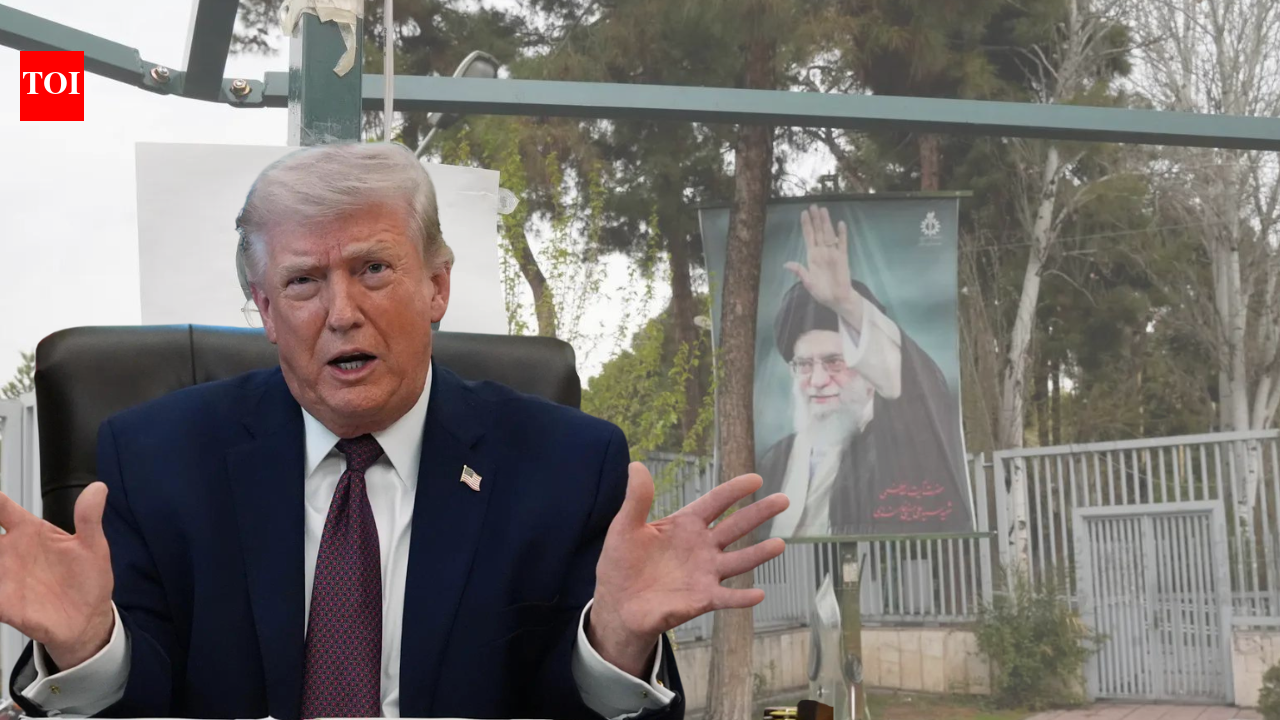
President Donald Trump reinforced the hardline stance, announcing a sweeping blockade. “Effective immediately, the United States Navy, the Finest in the World, will begin the process of BLOCKADING any and all Ships trying to enter, or leave, the Strait of Hormuz,” he said, warning that “Any Iranian who fires at us, or at peaceful vessels, will be BLOWN TO HELL!”
Iran responded with strong warnings of its own, with the Revolutionary Guards cautioning that any misstep would trap adversaries in a “deadly” situation in the strategic waterway, which Tehran says it fully controls.
Markets have reacted nervously. Oil prices have surged back above $100 per barrel, while global equities have declined amid fears of prolonged disruption to energy supplies. Analysts warn that the blockade risks being seen as a continuation of hostilities, raising the possibility of further escalation, including strikes on critical energy infrastructure.
Key Takeaways