

UAE Visa Rejection 2026: Common Mistakes Indian Applicants Make and How to Avoid Them
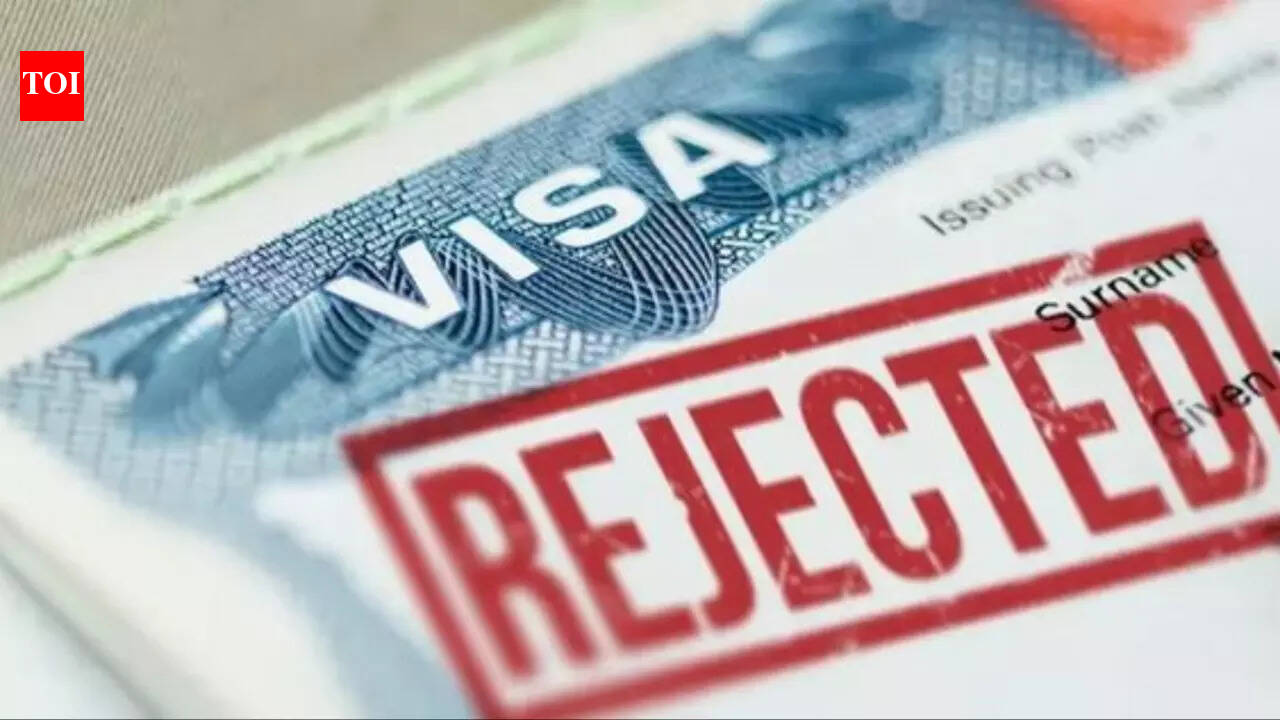
Applying for a UAE visa, whether for tourism, business, work or family visits, is usually straightforward, but small mistakes can turn the dream of visiting the Emirates into a frustrating rejection notice. In 2026, as immigration rules have tightened and scrutiny has increased, many Indian applicants are facing refusals for avoidable reasons. Understanding the key pitfalls and how to avoid them can significantly boost your chances of approval.
Incomplete or incorrect visa application details: The #1 mistake
Even simple typos or missing entries can lead to an automatic rejection because UAE immigration systems rely on exact data matching across multiple documents. This means that if your name, date of birth, passport number or nationality fields don’t match the passport exactly, including spellings and punctuation, the application can be refused without further review.Common pitfalls:
- Misspelled names or mismatched dates
- Wrong passport details in forms
- Leaving mandatory fields blank
How to avoid it: Triple-check all entries against your passport before submitting; be especially careful with names and numbers.
Passport issues: Expiry, damage or wrong format
UAE visa rules require a valid machine-readable passport with at least six months validity from the date of intended entry. If your passport is about to expire, damaged, or handwritten (older style), your visa may be rejected outright.
How to avoid it:
- Renew passports with under six months’ validity well before applying.
- Ensure scans are clear, unedited and show the machine-readable zone (MRZ) fully.
Incorrect visa category or purpose
Choosing the wrong visa type, for example a tourist visa when you intend to attend business meetings, work or study, can lead to a rejection of visa simply because the category does not align with your travel purpose.
How to avoid it:
- Clearly define your travel reason and select the correct category.
- When in doubt, consult the official UAE visa guidelines or a reputable visa agent before submission.
Poor financial documentation
UAE immigration requires evidence that applicants can cover their stay financially. Insufficient bank statements, outdated statements or lack of clear proof of financial stability can raise concerns.
Tips to strengthen your application:
- Provide bank statements from the last 3–6 months showing consistent balances.
- Add proof of income, salary slips, tax returns or investments if available.
Weak evidence of intent to return home
Immigration officers want to be confident that you will return to India after your visit. Applications with poor ties to the home country tend to get more scrutiny.
Examples of weak profiles:
- No employment proof
- No property records
- Lack of documented family ties
How to avoid it:
Submit strong supporting documents like an employers’ No Objection Certificate (NOC), job letter, property deed, or evidence of family commitments in India.
Unsatisfactory travel history
For first-time travellers or those with sporadic or irregular travel history, visa officers sometimes suspect the applicant may overstay. Past overstays or refusal records in any country, not only the UAE, can trigger a rejection.
How to avoid it:
- Maintain consistent travel records.
- If you have faced prior refusals or overstays, disclose them honestly in your application; transparency helps build credibility.
Mismatched itinerary or accommodation plans
Withdrawals, cancellations, unclear travel dates, or hotel bookings that don’t align with visa application dates are common triggers for refusals.
How to avoid it:
- Use confirmed flight and hotel bookings that span your exact travel dates.
- Ensure hotel reservation names match the passport details perfectly.
Previous UAE visa violations or overstay records
If you’ve overstayed on a prior UAE visit visa, failed to cancel a previous residence/work permit, or left pending fines or legal issues unaddressed, new visa applications can be blocked. Immigration systems share such history across visits.
How to avoid it:
- Fully settle any fines and make sure previous visas are legally closed and stamped before leaving the UAE.
- Get official travel records if needed to clear your file prior to re-applying.
Visa application timing errors
Applying right before your travel date, especially during peak seasons, may leave little buffer for processing delays and checks, increasing risk of rejection due to incomplete review.
Tip:
Apply at least 2 weeks in advance to allow for processing time and correct any document issues that emerge.
Misleading or fake documentation
Submitting fake, altered or “dummy” documents, such as forged bank statements, fake flight tickets or forged accommodation, is one of the most serious causes of refusal. These raise red flags and can lead to long-term visa bans or denial without detailed explanation.
Avoid it at all costs:
Always submit authentic, verifiable documents and never generate “dummy” PDFs that differ from official records.
Practical tips to boost approval chances
Here’s a quick checklist to help Indian applicants cross every “t” before submitting:
- Match all personal details exactly as printed on your passport.
- Ensure passport validity ≥ 6 months before travel.
- Attach confirmed flight and hotel bookings.
- Provide bank statements for 3–6 months with clear balance trends.
- Submit strong proof of home ties like employment or property.
- Apply early, avoid last-minute submissions.
UAE visa rejections are often not about nationality, they are about documentation, clarity and transparency. Many refusals stem from simple mistakes that can be prevented with careful preparation and attention to detail. By following the above guidelines and submitting complete, accurate, verifiable applications, Indian travellers can significantly improve their chances of getting a UAE visa approved in 2026. Go to Source