
Image: Screengrab/ BBC
A smartphone smuggled out of North Korea has offered one of the clearest glimpses yet into how tightly the state controls language, information and private behaviour. Obtained by the BBC in late 2024 through defector networks and analysed by technology specialists, the device shows a level of surveillance and ideological enforcement built directly into everyday consumer technology. From the outside, the phone appears ordinary. Inside, it runs a heavily modified version of Android designed to function as an extension of the state.
A phone without the internet
Internet access is entirely blocked. Instead, users are restricted to Kwangmyong, North Korea’s closed intranet system, which hosts only state-approved content and has no connection to the outside world. Every app, function and text input is monitored or filtered. Altering the device to access external content is treated as a serious criminal offence. “These devices are embedded with tools that aim to enforce the state’s ideology, perpetuate the hate campaign against neighbouring South Korea and monitor every movement made by its citizens in the online sphere,” the BBC reported.
Language rewritten in real time
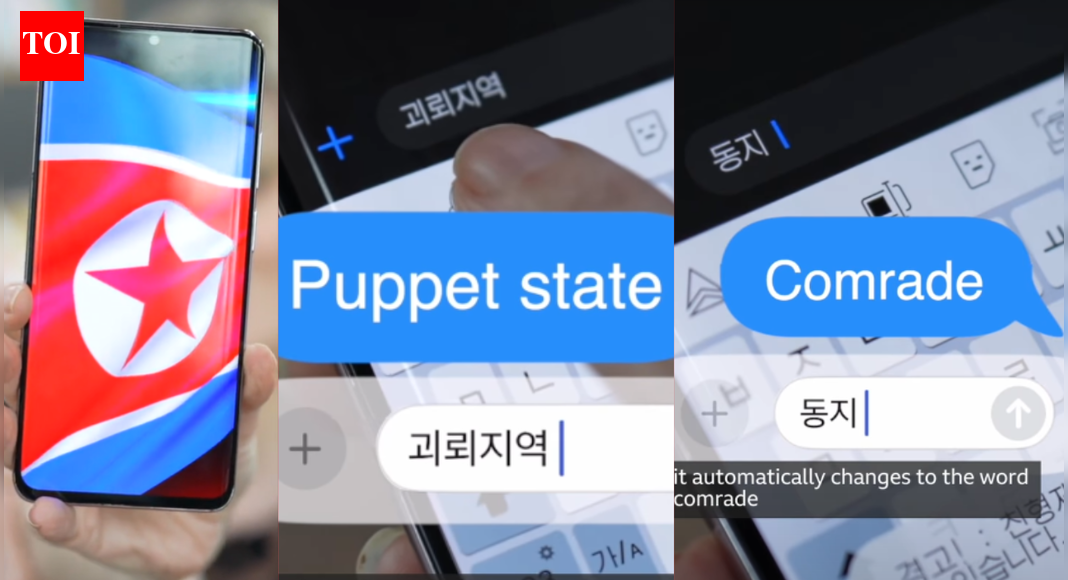
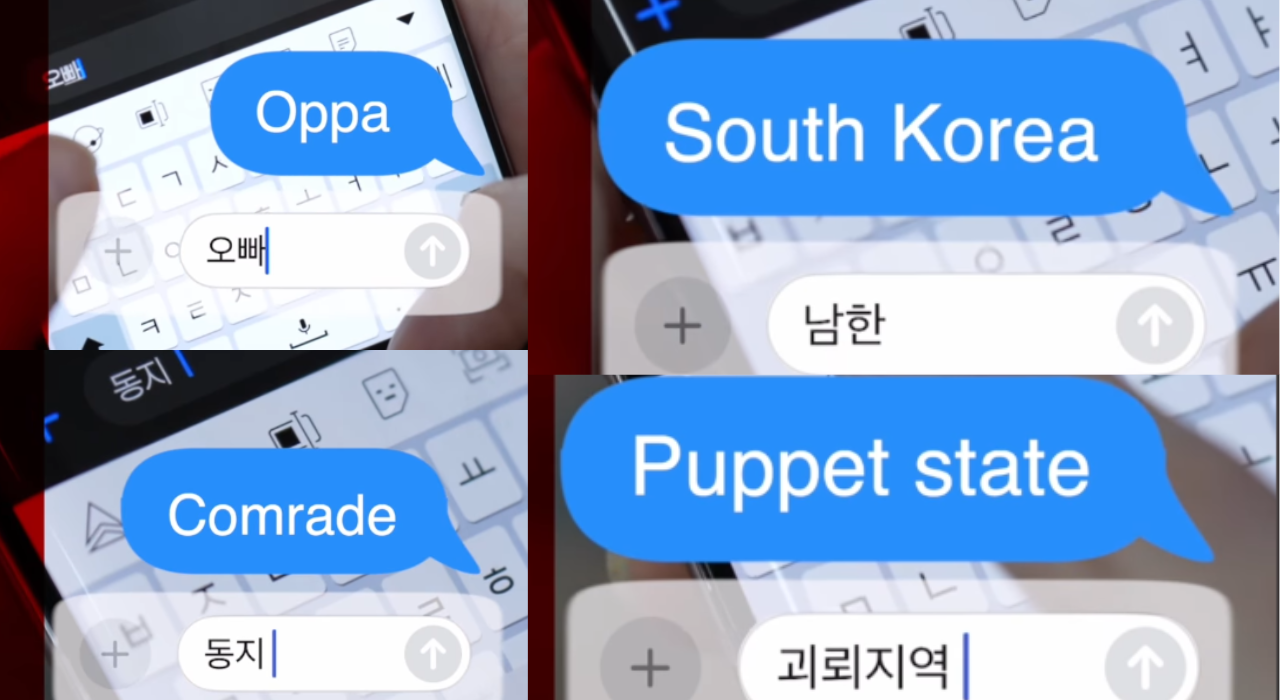
One of the most striking features revealed is the phone’s automatic rewriting of language. In footage shared by the BBC, Seoul correspondent Jean Mackenzie types certain words into the device and watches them change instantly. When she types “oppa”, a common South Korean term used to refer to a boyfriend, the phone automatically replaces it with “comrade”. A warning then appears on screen stating: “This word can only be used to describe your siblings.”
Screengrab/ BBC Instagram
Typing “South Korea” produces a similar intervention. The phrase is immediately changed to “puppet state”, the regime’s official term for its neighbour. The corrections are not optional and cannot be overridden.
Screenshots every five minutes
The investigation also uncovered a surveillance feature that operates continuously in the background. The phone automatically takes a screenshot of whatever is on the screen every five minutes. The images are stored in a hidden folder that users can see exists but cannot open. “It appears that only government officials can retrieve the images,” the BBC noted, highlighting how user behaviour is recorded without consent or awareness. The system effectively creates a visual log of daily activity, from messages typed to content viewed.
A country sealed off from information
The phone reflects a broader national policy of information control. “North Korea is the only country in the world the internet has not penetrated,” Mackenzie wrote. “All TV channels, radio stations and newspapers are run by the state.” Martyn Williams, an expert on North Korean technology and information, explained the reason for that control: “The reason for this control is that so much of the mythology around the Kim family is made up. A lot of what they tell people is lies.” The Korean War, which began when North Korea invaded the South in 1950, ended in an armistice in 1953 without a peace treaty. Hostilities have never formally ceased, and Pyongyang has long demanded that South Korea cede its sovereignty.
Smuggling information across the border
Despite the controls, foreign media continues to enter the country. Mackenzie reported that “thousands of USB sticks and micro-SD cards are also smuggled over the border every month loaded with foreign information”. The material includes South Korean films, television dramas, pop music and news programmes, deliberately chosen to challenge state propaganda. Lee Kwang-baek, director of the South Korean non-profit Unification Media Group, said: “Some [people] tell us they cried while watching these dramas, and that they made them think about their own dreams for the very first time.”
Life after leaving
Accounts from those who have left the country offer a rare point of comparison. Kang Gyuri, 24, who previously ran a fishing company in North Korea, fled to South Korea by boat in 2023. Reflecting on her life before leaving, she said: “I used to think it was normal that the state restricted us so much. I thought other countries lived with this control.” She added: “But then I realised it was only in North Korea.” Go to Source