


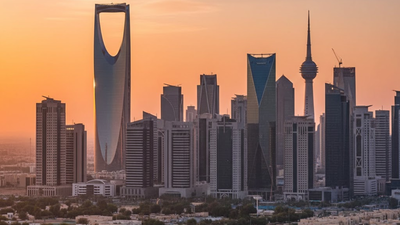
Saudi Arabia bans Sharia-violating names in public facilities nationwide/Representative Image
Saudi Arabia has unveiled a detailed framework governing how public facilities across the Kingdom are named. The regulations, recently approved by the Saudi Cabinet and published in the Umm Al-Qura Gazette, aim to unify naming practices, strengthen administrative oversight, and ensure compliance with Islamic principles. They are set to come into force 120 days after publication and will apply to all publicly owned facilities nationwide.
Defining the scope and responsibility
According to Saudi Gazette, the new rules define public facilities broadly, covering municipal buildings, educational institutions, cultural centres, sports venues, religious sites, healthcare establishments, transport infrastructure, and other government-owned assets. Each government entity will be responsible for naming facilities under its jurisdiction, following the unified framework and relevant laws.To implement the system, entities must issue their own executive bylaws. These internal regulations will outline organisational, technical, procedural, and operational requirements, while also setting governance mechanisms to oversee naming decisions.
Clear restrictions and religious guidelines
The regulations introduce strict prohibitions on certain naming practices. Public facilities cannot be named after Kings of Saudi Arabia, Crown Princes, or leaders of allied nations without explicit approval from the King. Names that contradict Islamic Sharia are also strictly forbidden. Additionally, the rules set limits on the use of the Names of God. Only seven names are permitted for public facilities: Al-Salam, Al-Adl, Al-Awwal, Al-Nur, Al-Haqq, Al-Shahid, and Al-Malik.When naming a facility after an individual, authorities must verify the person’s integrity. This includes reviewing their intellectual orientation, criminal history, and security record, in coordination with relevant bodies. The chosen name must reflect the individual’s status and public standing appropriately.
Approval process and record management
The Ministry of Municipalities and Housing will issue official naming categories after consulting relevant authorities. All government entities are required to comply with these classifications. The final approval of any facility name rests with the head of the respective entity, who may delegate this authority if needed.The regulations also permit the use of numerical designations, either on their own or alongside names, offering flexibility in naming conventions. To ensure coordination and consistency, each entity must maintain a comprehensive database of all public facility names under its jurisdiction. These records must be updated regularly and shared annually with the General Authority for Survey and Geospatial Information.
Repeal of previous rules and broader implications
The new framework replaces earlier provisions regarding the naming of streets and squares and overrides any regulations that conflict with the updated rules. This initiative forms part of wider efforts to modernise administrative practices, standardise public naming, and reinforce alignment with religious principles, governance requirements, and national identity.By establishing these clear guidelines, Saudi Arabia aims to create a unified, transparent, and culturally consistent approach to naming public facilities, ensuring that every decision reflects the Kingdom’s values and administrative standards. Go to Source

