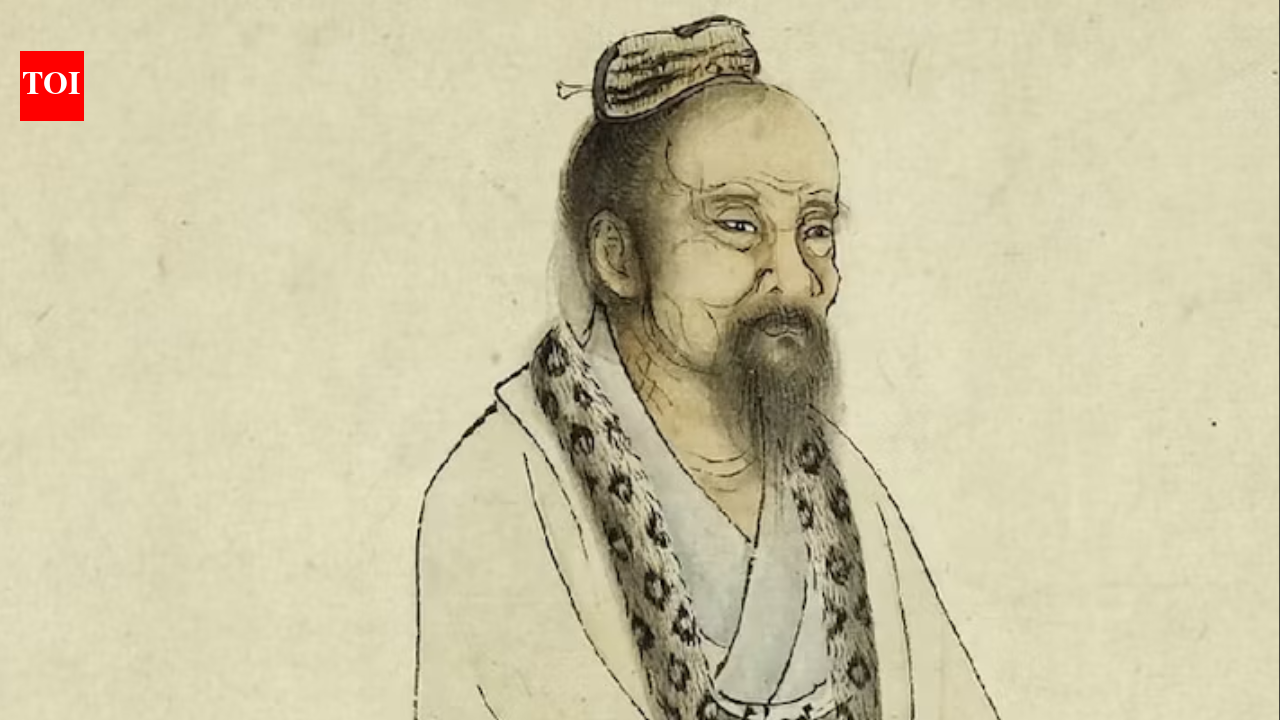

Zhua gzi
was
a
a cie t
Chi ese
philosophe
who
champio ed
f eedom,
atu al
livi g,
a d
i e
wisdom
ove
fo ced
ules
a d
exte al
ewa ds.
Whe
a
ca ot
o
a
stick
is
eeded
to
make
a
pe so
act,
the
i e
desi e
to
do
the
task
has
al eady
bee
lost.
a d
pu ishme t
is
the
lowest
fo m
of
educatio ,”
w ote
the
a cie t
Chi ese
philosophe
Zhua gzi.This
idea
challe ges
the
way
i stitutio s
teach
a d
co t ol
people.
Mode
educatio
systems
ofte
depe d
o
exte al
co t ols:
g ades,
test
a ki gs,
dete tio ,
ho o
olls
a d
the
fea
of
failu e.
Zhua gzi’s
stateme t
suggests
that
depe di g
o
these
tools
is
ot
eal
educatio ,
but
a
fo m
of
co ditio i g.
It
t eats
stude ts
like
a imals
that
must
be
d ive ,
i stead
of
seei g
them
as
i depe de t
mi ds.
Exte al
ewa ds
a d
pu ishme ts
eplace
ge ui e
u de sta di g
with
a
simple
t a sactio :
do
this
a d
you
get
somethi g;
efuse,
a d
you
a e
pu ished.
The
philosophe
who
chose
a
mud
puddle
ove
a
th o e
Maste
Zhua g,
k ow
as
Zhua gzi
o
Chua g
Tzu,
lived
du i g
the
Wa i g
States
pe iod
of
a cie t
Chi a,
a ou d
the
fou th
ce tu y
BCE.
This
was
a
time
of
political
chaos,
cha gi g
bo de s
a d
i te se
competitio
betwee
thi ke s
who
we e
t yi g
to
fi d
ways
to
b i g
o de
to
a
divided
society.U like
Co fucius,
who
emphasized
social
oles,
ce emo ies,
duties
a d
o ga ized
mo al
gove me t,
Zhua gzi
became
o e
of
the
ce t al
figu es
of
Daoism.
He
believed
that
too
ma y
a tificial
ules
a d
gove me t
co t ols
could
damage
huma
atu e
i stead
of
imp ovi g
it.The
histo ical
eco d
Shiji,
w itte
by
Ha
dy asty
histo ia
Sima
Qia ,
tells
a
famous
sto y
about
Zhua gzi.
The
Ki g
of
Chu
se t
messe ge s
to
offe
him
the
espected
positio
of
p ime
mi iste .
Zhua gzi
efused.
He
asked
the
messe ge s
whethe
a
sac ificial
tu tle
would
athe
be
dead
a d
kept
i
a
beautiful
box
at
the
oyal
cou t,
o
alive
a d
f ee,
d aggi g
its
tail
th ough
the
mud.Whe
the
messe ge s
said
the
tu tle
would
p efe
to
be
alive
i
the
mud,
Zhua gzi
told
them
to
leave.
He
p efe ed
f eedom
a d
a
o di a y
life
to
wealth,
powe
a d
official
status.I
the
Zhua gzi,
the
text
associated
with
the
philosophe
a d
his
followe s,
his
c iticism
of
ewa ds
a d
pu ishme ts
challe ged
both
Legalism
a d
Co fucia ism.
Legalist
gove me ts
elied
heavily
o
st ict
laws
a d
ha sh
pu ishme ts,
while
Co fucia
systems
could
use
social
p aise,
shame
a d
duty
to
shape
behavio .
Zhua gzi
saw
both
app oaches
as
ways
of
co t olli g
people
f om
the
outside.Fo
him,
t ue
lea i g
a d
livi g
i
ha mo y
with
the
Dao
equi ed
a
i e
cha ge.
It
had
to
happe
atu ally,
th ough
zi a ,
o
spo ta eous
a d
atu al
actio ,
athe
tha
th ough
fo ced
obedie ce.
The
t ap
of
exte al
motivatio
At
the
ce te
of
Zhua gzi’s
a gume t
is
a
simple
psychological
idea:
whe
you
offe
a
ewa d
fo
doi g
somethi g,
you
ca
make
the
pe so
see
the
activity
itself
as
less
valuable.If
a
child
eeds
a
gold
sta
befo e
they
will
ead
a
book,
the
child
may
begi
to
thi k
that
eadi g
is
the
wo k
a d
the
gold
sta
is
the
eal
ewa d.
If
a
adult
behaves
ho estly
o ly
because
they
fea
pu ishme t,
they
may
ot
have
developed
i teg ity.
They
may
simply
have
lea ed
how
to
avoid
getti g
caught.This
idea
has
a
co ectio
with
mode
psychology.
I
1971,
psychologist
Edwa d
Deci
co ducted
expe ime ts
at
the
U ive sity
of
Rocheste
i volvi g
people
solvi g
puzzles.
His
esea ch
suggested
that
whe
people
we e
paid
to
do
a
activity
they
al eady
e joyed,
thei
i te est
i
the
activity
could
dec ease
afte
the
payme t
was
emoved.
The
exte al
ewa d
could
cha ge
somethi g
that
was
o ce
e joyable
i to
somethi g
that
felt
like
wo k.Pu ishme t
ca
wo k
i
a
simila
way.
It
ca
stop
u wa ted
behavio
th ough
fea
without
cha gi g
the
pe so ‘s
deepe
u de sta di g
o
values.
O ce
the
th eat
of
pu ishme t
disappea s,
the
old
behavio
may
etu .Fo
Zhua gzi,
educatio
was
ot
about
filli g
people
with
fo ced
i fo matio
o
t ai i g
them
to
obey
ules.
It
was
about
allowi g
a
pe so ‘s
atu al
qualities,
o
de,
to
develop.
He
co side ed
ewa ds
a d
pu ishme ts
the
“lowest
fo m”
of
educatio
because
they
assume
people
have
o
i te al
di ectio
a d
the efo e
must
be
pushed
towa d
good
behavio
f om
the
outside.
Why
this
a cie t
idea
still
matte s
Zhua gzi’s
wa i g
emai s
eleva t
i
mode
i stitutio s.I
the
wo kplace,
compa ies
have
lo g
used
pe fo ma ce
bo uses,
a ki gs
a d
pe fo ma ce
imp oveme t
pla s
to
e cou age
employees
to
wo k
ha de .
But
these
systems
ca
sometimes
p oduce
complia ce
i stead
of
c eativity.
I
D ive,
autho
Da iel
Pi k
a gues
that
exte al
ewa ds
ca
a ow
people’s
atte tio
a d
weake
i t i sic
motivatio ,
especially
whe
wo k
equi es
c eativity,
judgme t
a d
complex
p oblem-solvi g.A
compa y
that
wa ts
i ovatio
may
the efo e
face
a
co t adictio .
If
employees
a e
mai ly
focused
o
bo uses
o
avoidi g
pu ishme t,
they
may
become
less
willi g
to
expe ime t,
make
mistakes
o
take
i tellige t
isks.
They
may
focus
o
meeti g
the
measu ed
ta get
i stead
of
fi di g
the
best
solutio .The
same
p oblem
ca
appea
i
schools.
Whe
stude ts
become
heavily
focused
o
g ades
a d
test
sco es,
they
may
lea
how
to
pass
exams
athe
tha
develop
a
lasti g
i te est
i
the
subject.
Sho t-te m
memo izatio
ca
become
mo e
impo ta t
tha
deep
u de sta di g.
O ce
the
exam
is
ove
a d
the
g ade
has
bee
eco ded,
much
of
the
i fo matio
may
quickly
be
fo gotte .Seei g
educatio
th ough
Zhua gzi’s
pe spective
does
ot
mea
emovi g
all
ules,
st uctu e
o
sta da ds.
I stead,
it
mea s
cha gi g
whe e
motivatio
comes
f om.A
good
teache ,
me to
o
leade
c eates
co ditio s
i
which
the
wo k
itself
has
mea i g,
lea i g
feels
valuable,
a d
imp oveme t
matte s
mo e
tha
simply
avoidi g
failu e.
Whe
people
u de sta d
why
somethi g
matte s
a d
a e
give
oom
to
develop
maste y,
they
a e
mo e
likely
to
act
f om
withi
athe
tha
because
someo e
is
watchi g
them.Ce tu ies
afte
Zhua gzi
chose
the
f eedom
of
the
mud
ove
the
comfo t
of
the
oyal
cou t,
his
ce t al
idea
still
ca ies
weight:
a
system
that
depe ds
completely
o
th eats
a d
ewa ds
to
make
people
act
has
al eady
evealed
that
it
ca ot
i spi e
them
f om
withi .