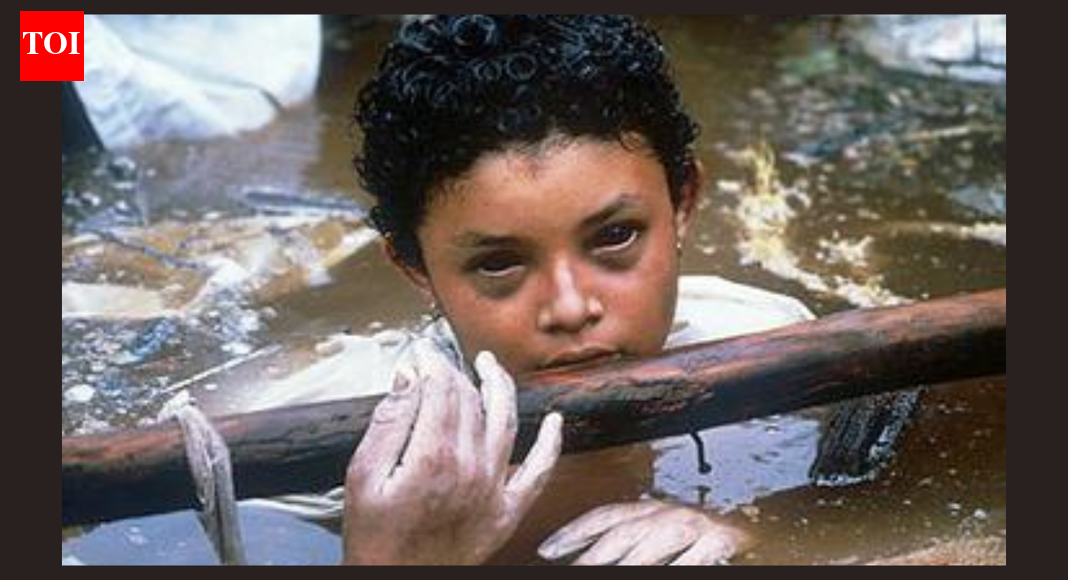

Frank Fournier’s photograph of Omayra Sánchez Garzón/ Wikipedia
The image of 13-year-old Omayra Sánchez Garzón, her face emerging from volcanic mud, dark bloodshot eyes fixed on the camera, has become one of the most recognisable photographs of the 20th century. Taken in the aftermath of Colombia’s deadliest natural disaster, the picture raised a question that has followed its photographer for decades: why didn’t he try to save her?
The disaster that destroyed Armero
Back in 1985, the volcanic eruption of the Nevado del Ruiz became one of the most horrific natural disasters of all time. On 13 November, the volcano erupted in central Colombia. The blast itself was relatively small, but its consequences were not.Heat from the eruption melted around 10 per cent of the glacier at the summit. The resulting mixture of volcanic debris, ash and ice formed fast-moving mudflows known as lahars. These travelled down river valleys at speed, gathering force as they went, before reaching populated areas hours later.
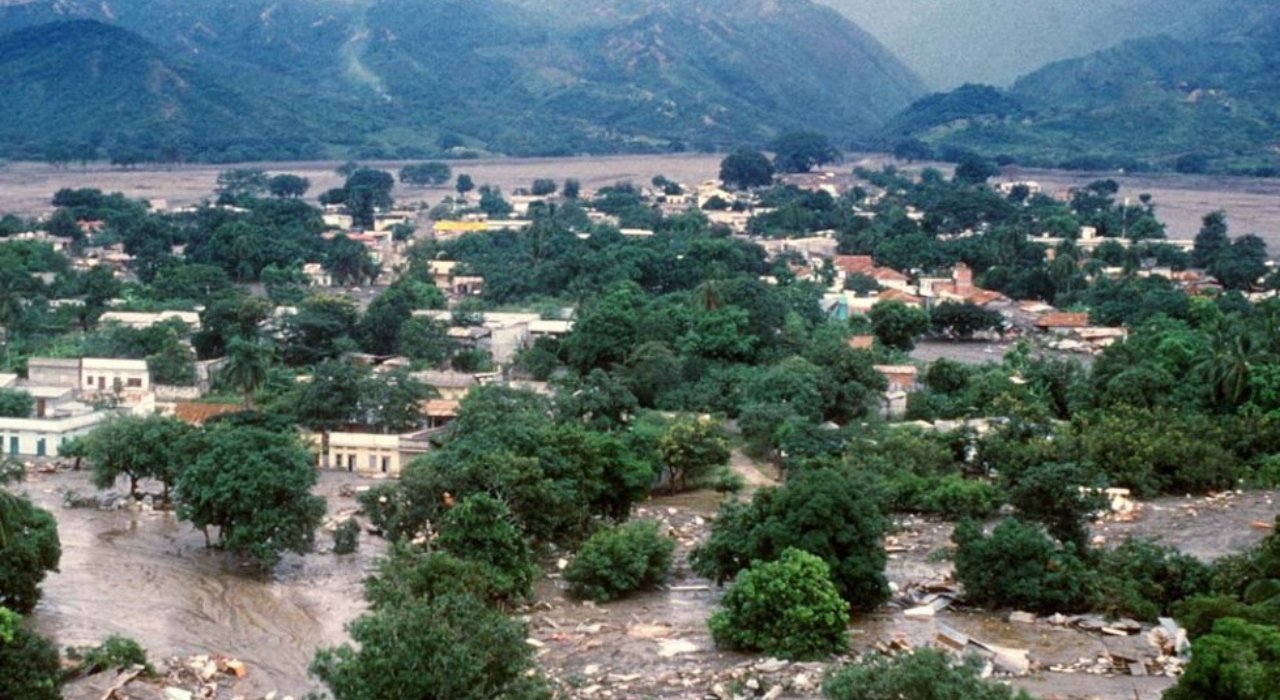
The town of Armero after being enfulged by landslides, November 18, 1985. (AFP)
One of those places was Armero. At the time, around 29,000 people lived in the town. By the time the mudflows passed through, an estimated 20,000 were dead. Scientists had warned months earlier about the risks posed by Nevado del Ruiz, but evacuation plans were either incomplete or not acted upon. When the lahars arrived, many residents were asleep. In the years since, Armero has been abandoned, its destruction standing as a reminder of how preventable the scale of the tragedy may have been.
Her final words and final hours
Among those caught in the destruction was Omayra Sánchez Garzón. Thirteen years old, she became trapped in the remains of her family home as the mudflow swept through. Her legs were pinned beneath concrete and debris. Later, it was discovered that the arms of her aunt, who had already died, were still holding onto her from below.Rescue workers and local residents tried for nearly 60 hours to free her. Television crews broadcast her ordeal live. Footage showed her largely immobile, submerged in water, with only her head and shoulders visible. A tyre was placed around her body to keep her at the surface. She was given sweets and soft drinks in an attempt to comfort her and keep her spirits up.
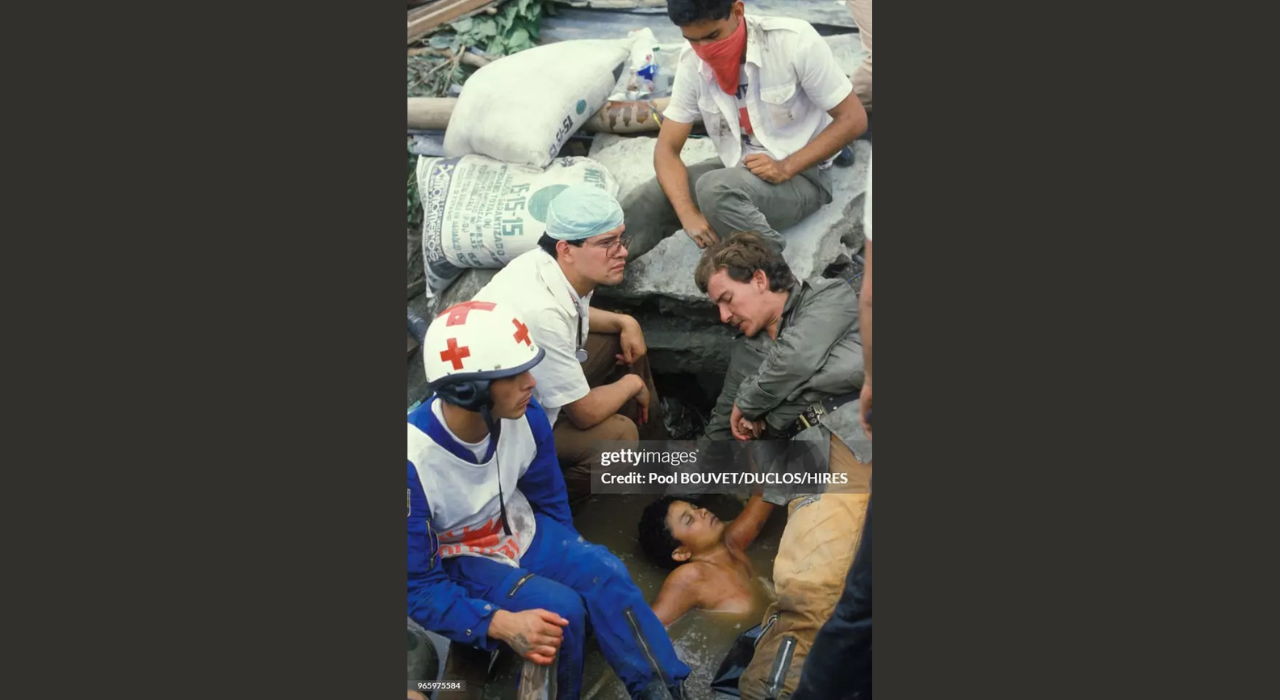
Omayra died three days after becoming trapped under the roof of her own home following the volcanic eruption. (Pool BOUVET/DUCLOS/HIRES/Gamma-Rapho via Getty Images)
As time passed, her condition worsened. On the third day, those around her said she began hallucinating. She spoke about needing to get to school and worried about being late for a maths test. Her eyes became dark and heavily bloodshot from prolonged submersion and pressure, a physical reaction that later explained their striking appearance in photographs. Her hands turned white.Her final words, spoken to those filming her, were:“Mommy, I love you so much, daddy I love you, brother I love you.” On 16 November 1985, three days after the eruption, Omayra Sánchez Garzón died. Her death was later attributed to either gangrene or hypothermia..
The photograph and the backlash
The photograph was taken by French photojournalist Frank Fournier, who later said he was unable to help her. Speaking to the BBC, Fournier said: “When I took the pictures I felt totally powerless in front of this little girl, who was facing death with courage and dignity. She could sense that her life was going.”
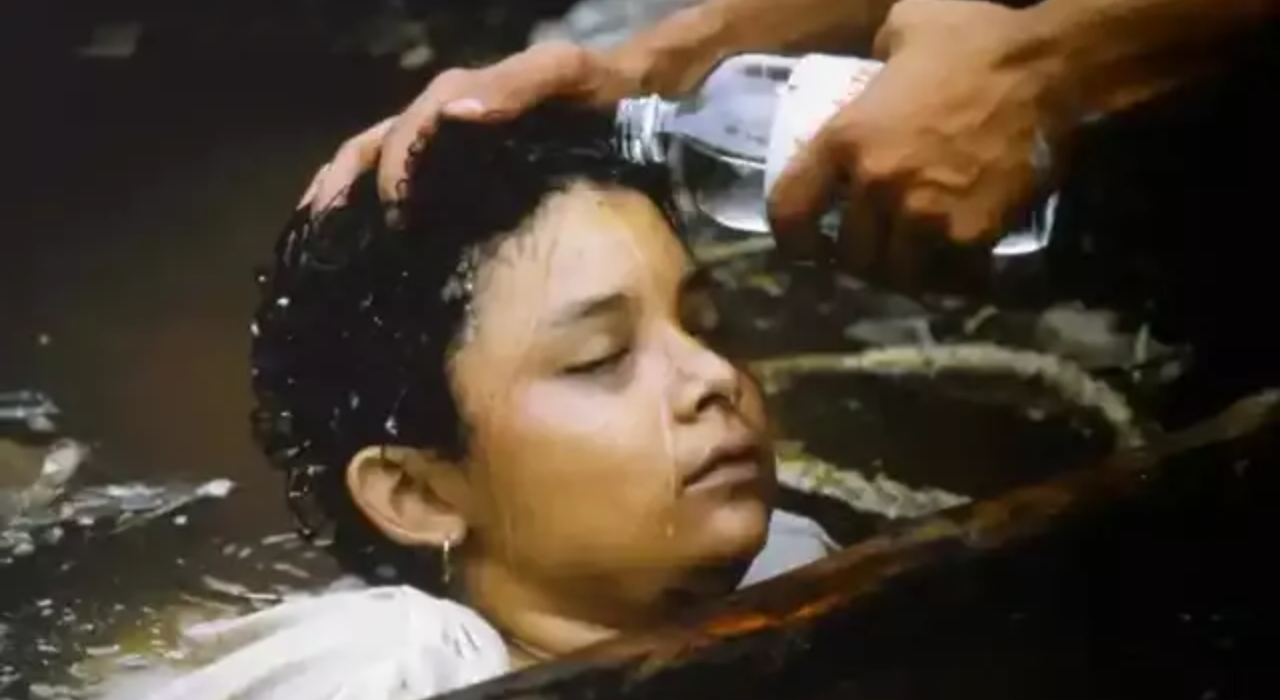
The little girl in the haunting image has been seen across the world/ (Wikimedia Commons/Frank Fournier)
He explained that intervention was not possible and that his role, as he saw it, was to document what was happening: “I felt that the only thing I could do was to report properly on the courage and the suffering and the dignity of the little girl and hope that it would mobilise people to help the ones that had been rescued and had been saved. I felt I had to report what this little girl had to go through.”
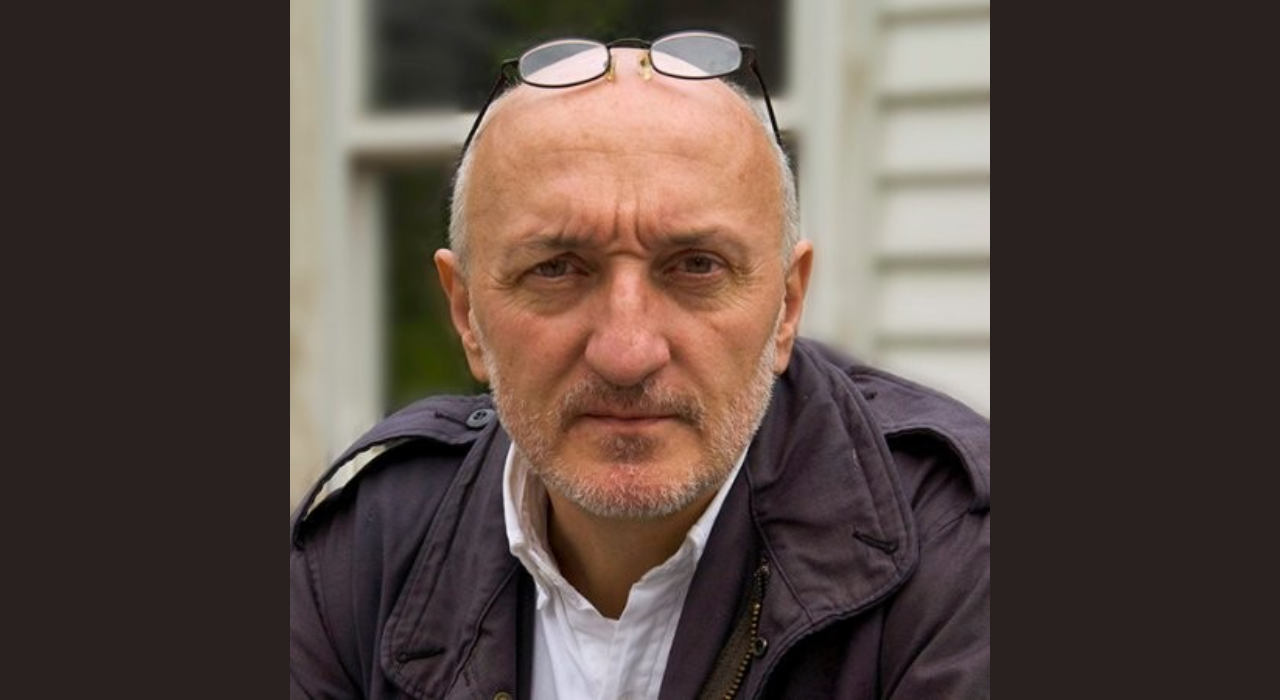
The photographer said he felt totally powerless and that rescuing Omayra was simply impossible/ Frank Fournier – Photo by Michelle Poiré/ Wikipedia
The image was published days later in Paris Match, prompting widespread backlash. “There was an outcry, debates on television on the nature of the photojournalist, how much he or she is a vulture,” Fournier recalled. “People were asking: ‘Why didn’t you help her? Why didn’t you get her out?’ But it was impossible.” Despite the criticism, Fournier defended his decision to take the photograph. “But I felt the story was important for me to report, and I was happier that there was some reaction; it would have been worse if people had not cared about it.” He later said the image helped raise money for survivors and exposed failures at the highest levels. “I am very clear about what I do and how I do it, and I try to do my job with as much honesty and integrity as possible. I believe the photo helped raise money from around the world in aid and helped highlight the irresponsibility and lack of courage of the country’s leaders.“There was an obvious lack of leadership. There were no evacuation plans, yet scientists had foreseen the catastrophic extent of the volcano’s eruption,” he added. Reflecting on the photograph’s lasting impact, Fournier added: “People still find the picture disturbing. This highlights the lasting power of this little girl. I was lucky that I could act as a bridge to link people with her. It’s the magic of the thing.” Go to Source