
Image source: Bloomberg
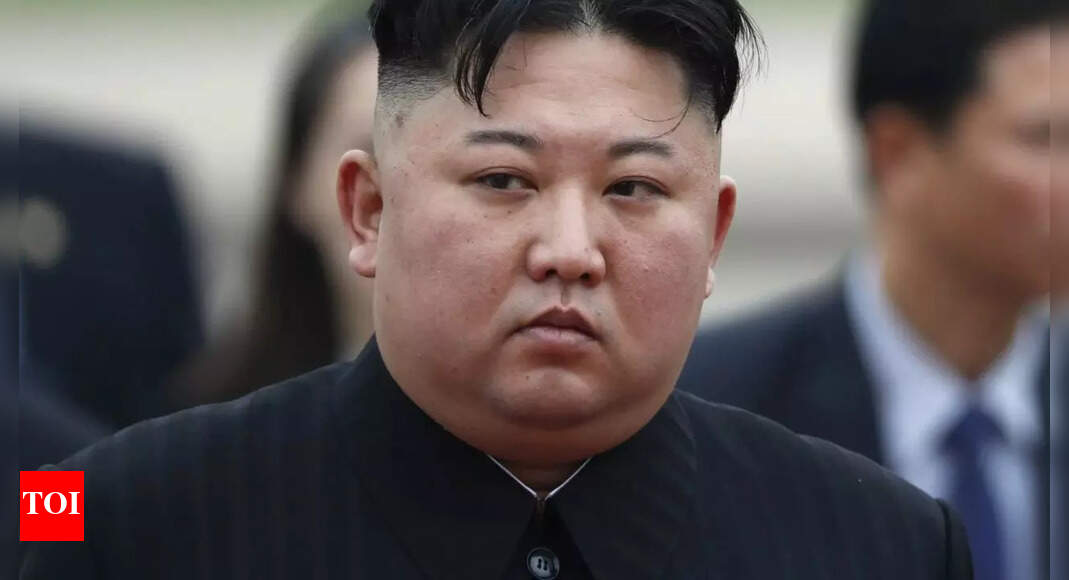
For much of the world, ice cream is a sweet treat with a universally understood name. But in North Korea, the simple dessert has become a matter of politics and ideology. Leader Kim Jong Un has reportedly banned the use of the English-derived term “ice cream,” ordering its replacement with state-approved alternatives such as eseukimo or eoreumboseungi, both roughly translating to “ice confection.”The ban is part of a broader campaign to purge foreign words, particularly English and South Korean terms, from everyday usage. The move has sparked debate among linguists and drawn attention to how language itself has become a tool of control inside the secretive nation.
North Korea’s tourism trainees struggle with strict vocabulary rules
Tourism guides in North Korea are now undergoing a strict three-month training program in Wonsan and other key destinations. As part of this regime, they are instructed to avoid all Anglicised words when interacting with both locals and foreigners.The commonly used word aiseukeurim, borrowed from English, has been replaced with eseukimo or eoreumboseungi. Some trainees have admitted confusion, pointing out that foreign tourists may not understand these terms. But despite their doubts, few dare to question the policy openly, as one wrong remark could cost them their positions in this coveted sector.
Why the word ‘Eskimo’ raises eyebrows
The chosen replacement term, eseukimo, comes from “Eskimo,” historically used to describe Indigenous peoples in the Arctic regions of Alaska, Canada, Greenland, and Siberia. However, the word is now considered outdated and even offensive, with communities preferring identifiers such as Inuit or Yupik.North Korea’s adoption of the word has puzzled observers. Linguists suggest it may be Pyongyang’s way of using a foreign-sounding word without directly borrowing from English—a strategy that blends nationalism with controlled globalisation.
North Korea renames everyday words to erase foreign influence
The purge extends beyond ice cream. The universally recognised “hamburger” is no longer acceptable and must instead be called dajin-gogi gyeopppang, meaning “double bread with ground beef.” Similarly, karaoke machines are to be referred to as “on-screen accompaniment machines.”By enforcing literal translations, the regime hopes to strengthen what it considers authentic North Korean expressions while eliminating outside cultural influence. Officials in Kangwon province, home to the Wonsan tourism project, emphasised that guides are being trained to “consciously use North Korean vocabulary” while avoiding South Korean or English terms.
Why Kim Jong Un is targeting language
As reported by DailyNK, the policy is rooted in more than just linguistics. Language in North Korea has long been a tool of ideological control. By dictating which words are permissible, the government shapes how people communicate, think, and interact with the outside world.Analysts note that the crackdown coincides with Pyongyang’s ambitious plans to expand its tourism industry. By ensuring guides avoid foreign words, the regime seeks to preserve North Korea’s cultural identity while still attracting international visitors. It reflects a paradox: opening up to foreign tourism while simultaneously insulating the population from external influence.
North Korea trains guides with strict rules and ideology
The training programme, launched on 21 August, is directly overseen by the Workers’ Party of Korea’s Cadre Department. Between 20 and 30 trainees, including graduates of provincial language universities and new recruits from the State General Bureau of Tourist Guidance, are being trained.The three-month curriculum goes far beyond language. Trainees are instructed in professional conduct, dress codes, memorisation of approved slogans, and proper handling of foreign tourists. Every detail, from the words they use to the way they present themselves, is carefully curated to align with state ideology.North Korea’s ban on “ice cream” may seem bizarre to outsiders, but it highlights a broader truth: in Pyongyang, even everyday vocabulary is politicised. By erasing loanwords and enforcing state-approved terms, Kim Jong Un’s government seeks to maintain ideological purity, strengthen national identity, and control the cultural narrative within and beyond its borders.For now, a scoop of ice cream in North Korea is no longer just dessert—it is a reminder of how language itself has become another front in the regime’s quest for absolute control.Also Read | Tallest sunflower in the world: Indiana gardener Alex Babich sets Guinness World Record with 36-foot tribute to Ukraine Go to Source