
Source: SCMP
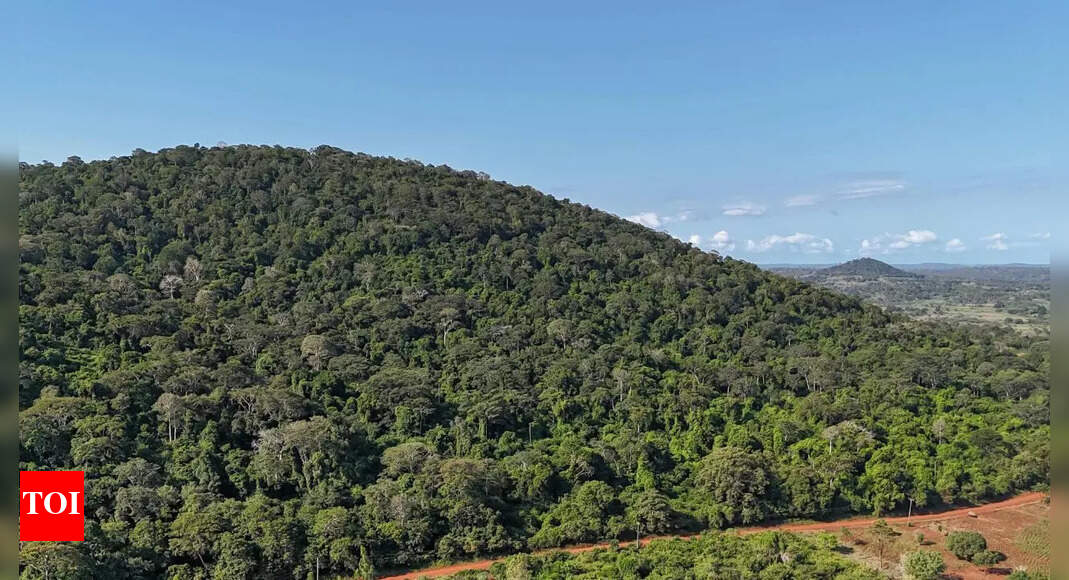
Mrima Hill in Kenya’s coastal region has emerged as a focal point of global interest and growing local tension. Vast deposits of rare earth minerals lie beneath its lush forest vital for producing smartphones, electric vehicles and renewable energy systems. Major global powers like the United States, China and Australia have been attracted towards the valuable resources all seeking to secure access to minerals critical for the world’s transition to advanced technologies and low-carbon industries. While the international race for these resources intensifies, the surrounding communities face uncertainty over their land, environment, and future, as Mrima Hill becomes a symbol of both opportunity and potential exploitation in Kenya’s quest for sustainable development.
Mrima Hill becomes ground zero in the global hunt for critical minerals
Mrima Hill, located near the Indian Ocean in Kwale County, covers about 390 acres. It may look like an ordinary forest, but beneath the soil lies a treasure trove of rare earth minerals and niobium. A 2013 report by Cortec Mining Kenya, a subsidiary of the UK and Canada-based Pacific Wildcat Resources, estimated that these deposits were worth approximately 62.4 billion dollars. Niobium, one of the key minerals found in Mrima Hill, is used to make stronger steel and in advanced technologies that support green energy transitions. The hill’s enormous economic potential has attracted foreign attention. In June, Marc Dillard, then the interim US ambassador to Kenya, visited the site, signalling Washington’s growing interest in African mineral reserves. At the same time, reports emerged of Chinese nationals attempting to access the forest, though local guards prevented their entry. Recently, Australian companies RareX and Iluka Resources announced plans to explore rare earth mining in the region, further intensifying the international competition.This sudden global interest has brought both hope and anxiety to the people living around Mrima Hill.
Mrima Hill’s local community struggles to protect their sacred forest
The communities surrounding Mrima Hill are primarily made up of the Digo people, an ethnic group with deep cultural and spiritual ties to the forest. For generations, the forest has provided food, medicine, and spiritual refuge. It is home to sacred shrines, medicinal plants, and wildlife that form an integral part of local traditions.However, the promise of mineral wealth has also become a source of fear and division. Many residents worry that they will lose their land or receive nothing from the profits that foreign companies hope to make. “People come here with big cars, but we turn them away,” said Juma Koja, a community guard. His words reflect a deep mistrust that stems from years of failed promises and opaque deals.In 2013, the Kenyan government revoked Cortec Mining Kenya’s licence, citing environmental and licensing violations. Cortec claimed it was punished for refusing to pay a bribe to the then-mining minister, Najib Balala, a charge Balala denied. The company’s repeated court appeals were unsuccessful. This controversy has left a lasting sense of betrayal in the community and reinforced the perception that mining often benefits outsiders rather than locals.
Kenya’s mining reforms aim for growth amid corruption and governance concerns
Kenya’s mining sector has long struggled with corruption, poor regulation, and lack of transparency. In 2019, the government temporarily banned new mining licences to combat illegal activities and environmental damage. However, the rising global demand for rare earths, combined with China’s restrictions on mineral exports, has renewed Kenya’s interest in reviving the sector.This year, the Ministry of Mining announced a major reform programme to restore investor confidence and strengthen regulation. The reforms include tax incentives, simplified licensing procedures, and promises of greater transparency in the approval process. The government aims to increase mining’s contribution to Kenya’s economy from less than one percent of GDP to ten percent by 2030.Experts, however, caution that without strong institutions and fair enforcement of the law, the reforms could fail to bring lasting benefits. Daniel Weru Ichang’i, a retired economic geology professor at the University of Nairobi, warned that many Kenyans have an overly optimistic view of mining. “There’s a romantic idea that mining is a quick path to wealth,” he said. “But corruption and poor governance make this industry very risky. If Kenya wants to benefit, the law must be respected, and the national interest must come before personal gain.”
Mrima Hill community split between hopes for development and fears of losing their land
Despite these fears, not everyone in the community opposes mining. Some see it as a rare opportunity to escape poverty. Domitilla Mueni, treasurer of the local community forest association, has been improving her land by planting trees and crops to increase its value in anticipation of potential land purchases by mining companies. “Why should we die poor while we have minerals?” she asked, expressing the hopes of those who believe mining could bring development, schools, and better infrastructure to the region.This divide reflects a broader dilemma faced by many resource-rich countries: how to balance economic growth with environmental protection and community rights. Kenya’s challenge is not only to attract foreign investment but also to ensure that the benefits of its natural wealth reach its people without destroying their heritage or environment. The conflict surrounding Mrima Hill is a microcosm of a larger global struggle for control over rare earth minerals. As the demand for these materials grows, Africa has become a new battleground for geopolitical influence between Western nations and China.Cultural heritage and environmental concernsFor the people of Mrima Hill, mining threatens more than just land ownership. The forest is intertwined with their cultural and spiritual identity. It contains sacred groves used for ceremonies and healing, as well as unique plants and animals that have been part of their way of life for centuries. Go to Source