
Image: Wikipedia
One of the most significant volcanic eruptions in the recent history of our planet occurred over 7,000 years ago in southern Japan. Today, experts have found that the same volcano is gradually being filled with magma beneath the ocean bed. While this does not indicate an impending volcanic eruption, it does provide a fascinating glimpse into the process of how supervolcanoes are gradually rebuilt. Through a close examination of this phenomenon, experts are gradually beginning to comprehend the mechanisms of such massive eruptions and even predict future volcanic activity.
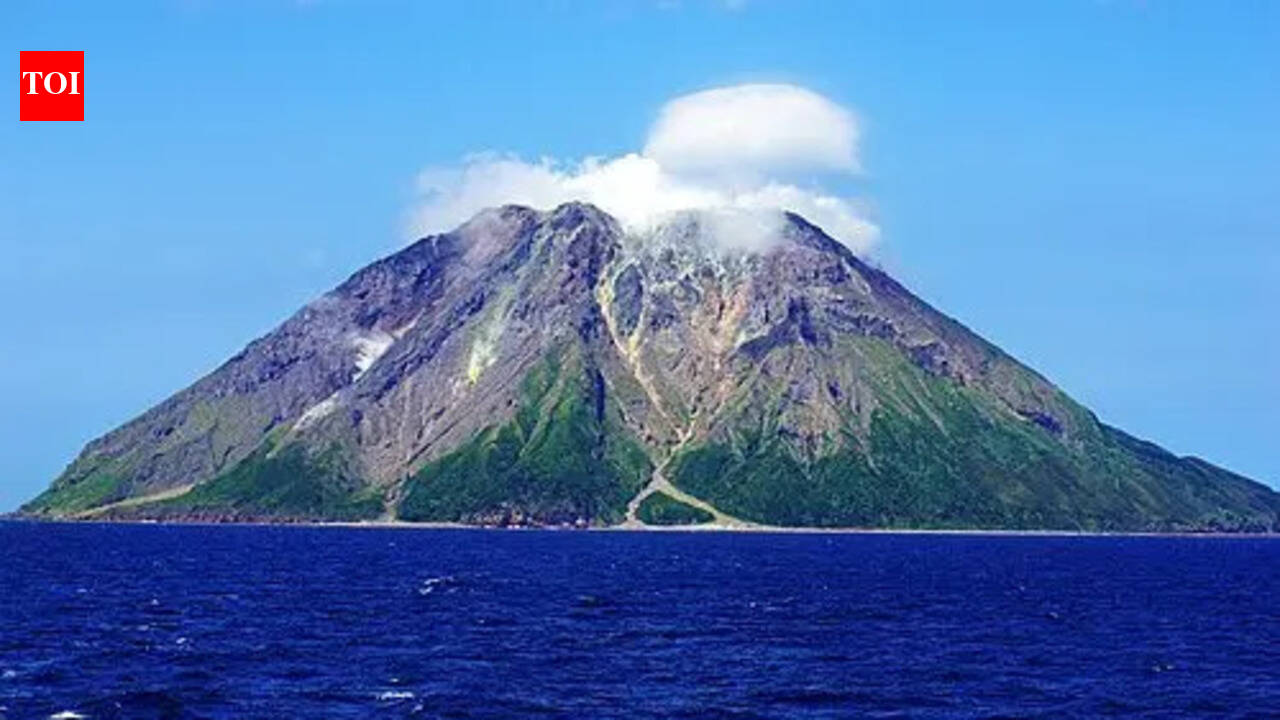
What is Kikai Caldera in Japan and how was it formed 7,300 years ago
Kikai Caldera is located underwater off the coast of Kyushu Island in Japan. It is believed to have formed after a massive eruption around 7,300 years ago. It is believed to be the largest volcanic event in the history of the Holocene epoch.A caldera is formed when a volcano erupts with such force that it completely empties its magma chamber. As a result, the surface above the emptied magma chamber collapses into the space. For the Kikai Caldera, the surface is underwater, which is unusual and provides valuable research opportunities. Because it is underwater, scientists can take advantage of imaging techniques to view the structure of the caldera.
Evidence that the volcano is refilling
Recent research carried out by Kobe University and published in the journal Communications Earth & Environment presents compelling evidence to support the idea that the magma reservoir beneath the Kikai Caldera is gradually being rebuilt. Scientists were able to send sound waves deep into the Earth’s crust using the technology of seismic imaging. By doing this, they were able to see the structures hidden beneath the surface. They found a large magma-rich zone directly beneath the caldera, which is similar to the location of the ancient volcano.In discussing the importance of this recent discovery, the geophysicist Nobukazu Seama said:“We must understand how such large quantities of magma can accumulate to understand how giant caldera eruptions occur.”This recent discovery indicates that the volcano is not dormant. It is actually part of the natural cycle.
Fresh magma injection and ongoing geological activity
One of the most important aspects of the research is the discovery that the magma currently present beneath Kikai is not merely the leftover remnant of the ancient eruption. Rather, it is newly injected magma rising up from even deeper within the Earth’s mantle. This is important because it shows the volcano is still active at a fundamental level.Another important discovery is the growing lava dome, which has been growing for the last 3,900 years. By analysing the composition of this newly formed lava dome, the scientists were able to determine it is different in composition from the magma present during the earlier eruption.As Seama wrote:“The magma that is now present… is likely newly injected magma.”This process, which is referred to as magma re-injection, is the key to understanding the way in which supervolcanoes gradually rebuild themselves.
What does this mean for future volcanic activity
However, although the thought of a refilling supervolcano may seem alarming, experts are quick to reassure the public that this is a very slow and natural process. Currently, there is no cause for concern and no signs of an impending eruption. Instead, this discovery is an important part of a greater knowledge of volcanoes around the world.The research suggests that the same process could be occurring in other supervolcanoes around the world, such as those in the United States and Indonesia. This will allow experts to better monitor and refine the methods of predicting future activity in these volcanoes.Seama spoke of the ultimate goal of such research:“Our ultimate goal is to become better able to monitor the crucial indicators of future giant eruptions.” The gradual refilling of Japan’s Kikai supervolcano is a stark reminder of the constantly changing nature of our world. While this discovery may seem alarming, it is also a reminder of the greater knowledge that is being developed about our constantly changing world. While experts continue to learn about such systems around the world, they are also closer to unlocking the mysteries of supervolcanoes. Go to Source