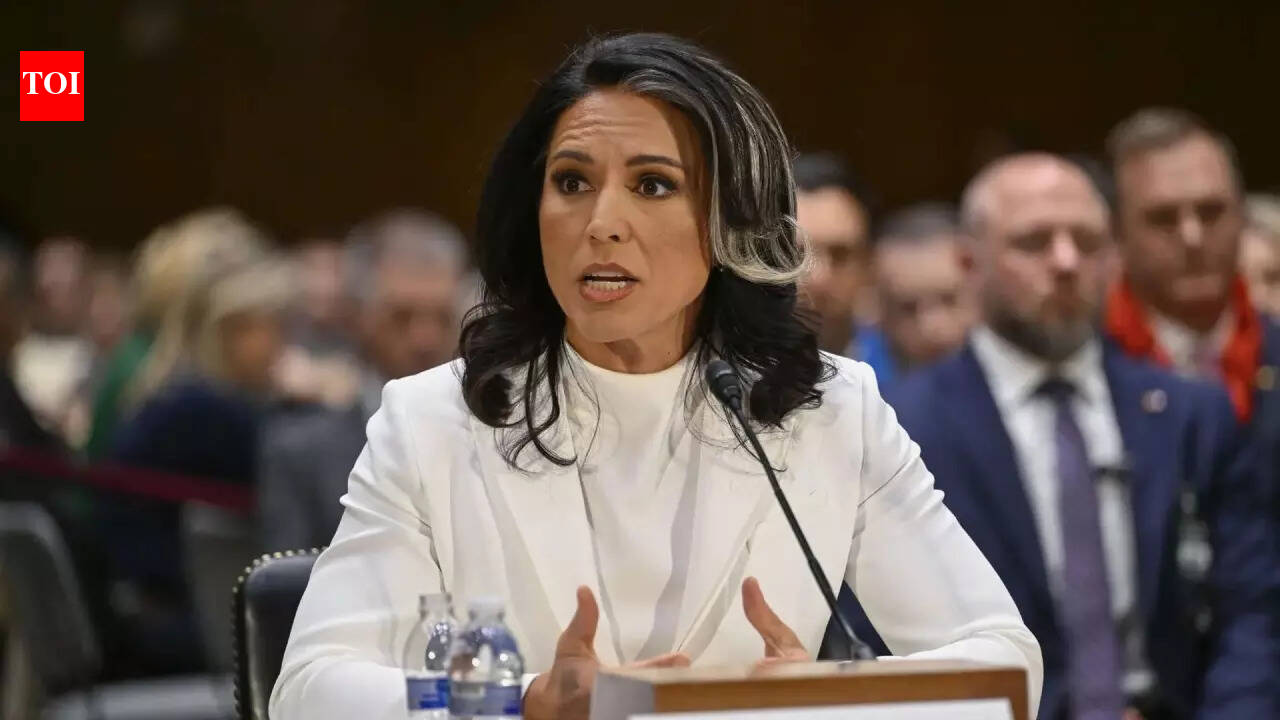

Director of National Intelligence Tulsi Gabbard has condemned an anti-ICE protest that disrupted a worship service at Cities Church in St. Paul, Minnesota, saying the incident reflects what she described as growing hostility towards religion in US politics. In a post on X, Gabbard said one of the main reasons she left the Democratic Party was “their hostility towards God” and people trying to practise or strengthen their faith.Gabbard accused the protesters of trying to “intimidate and terrorise” churchgoers, including families, and called their behaviour “demoniac”. She said the demonstrators who entered the church during the service should be condemned and held accountable, describing the disruption as an attack on the right to worship freely.The incident took place on January 18, 2026, when protesters entered the sanctuary during a service, chanting slogans and holding signs. Church leaders said the interruption created fear among attendees and disrupted the service. The protest was tied to anger over immigration enforcement activity in the area, with demonstrators calling for ICE to leave the community. Following the disruption, the US Department of Justice launched an investigation into the incident, citing potential violations of laws meant to protect religious freedom and prevent intimidation at places of worship. Officials said they were reviewing whether federal civil rights statutes apply and whether charges could be brought.Gabbard, a former Democratic congresswoman who left the party in 2022, used the incident to renew her criticism of Democratic leaders, accusing them of undermining religious freedom and trying to remove faith from public life. Her comments have circulated widely online, with supporters calling the church disruption an unacceptable escalation, while critics argue the incident must be viewed in the wider context of public anger over immigration raids and federal enforcement tactics.The protest has become the latest flashpoint in a wider national debate over immigration enforcement, religious freedom, and how political activism is carried out in sensitive spaces such as churches.