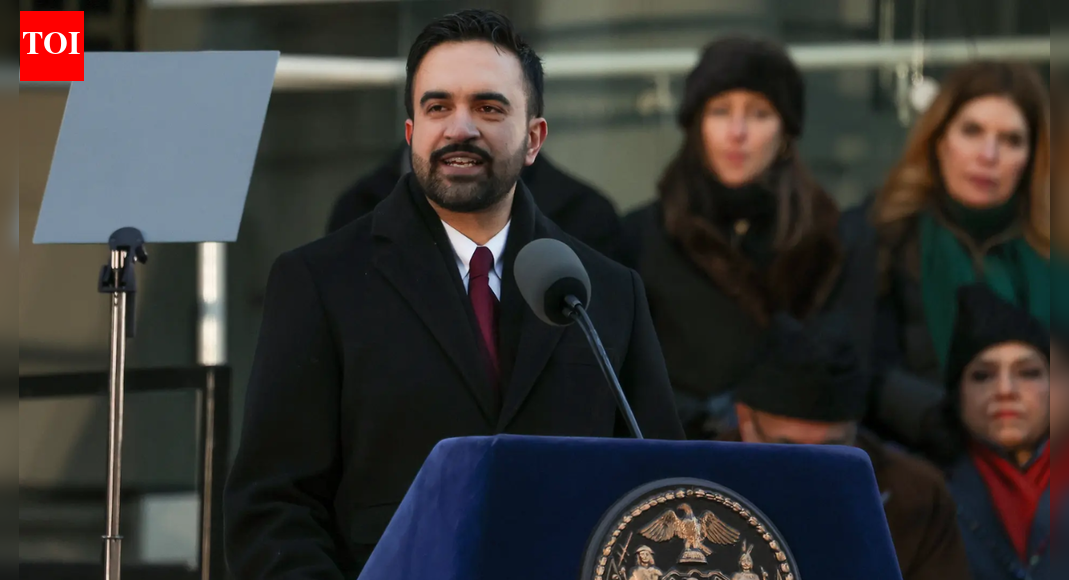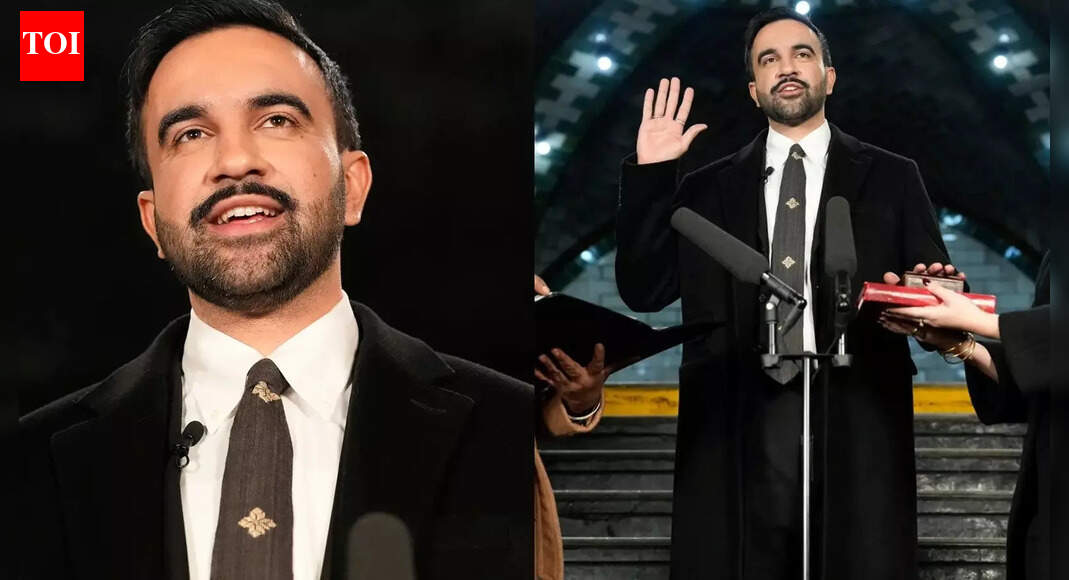


The Assamese Silk Tie of Zohran Mamdani That Quietly Stole the Spotlight at NYC’s Mayor Swearing-In
As the new mayor of New York City, Zohran Mamdani, took the oath on January 1, 2026, headlines across politics and culture praised his historic win. Yet one detail stood out in fashion circles, long after the ceremonies ended and it was the Assamese eri silk tie that he chose to wear.In an era where political figures increasingly use fashion as a form of cultural expression and personal storytelling, Mamdani’s choice became more than a sartorial statement. It became a symbol of identity, heritage and global style influence.
A tie with a story: Zohran Mamdani makes Assam meet New York
While many inaugurations lean toward traditional Western tailoring that includes navy suits, plain ties and crisp white shirts, Mamdani’s look introduced a multilayered narrative. The tie, crafted from eri silk, highlighted a fabric traditionally woven in the Indian state of Assam, prized for its rich texture, subtle sheen and ethical production methods.Unlike the more commonly known mulberry silk, eri silk comes from a variety of silkworm that feed on castor leaves, making the textile cruelty-free and environmentally considerate, a factor that aligns with sustainability trends steadily gaining ground in fashion. This was not just a random sartorial choice. Mamdani’s tie became a fashion headline because it represented a fusion of regional craftsmanship with metropolitan elegance, a bridge between local tradition and global modernity.

Why Zohran Mamdani’s Inauguration Tie Is Being Called the Most Meaningful Fashion Moment of 2026
What made Mamdani’s sartorial choice even more resonant in fashion and cultural circles was the story behind the tie itself. For his swearing-in, Mamdani wore the custom, gold-embroidered tie made from Assamese eri silk by New Delhi menswear label Kartik Research, founded by designer Kartik Kumra.The brand is celebrated for its artisanal approach and engagement with Indian craft traditions. The delicate four-petal floral motifs on the herringbone necktie nodded subtly to Assamese weaving techniques, bringing India’s Northeast textile heritage into one of the most photographed civic moments of the year.Styled by Gabriella Karefa-Johnson, Mamdani’s incorporation of eri silk, also known as ahimsa or non-violent silk, produced across Assam, Meghalaya and Nagaland, was not just a fashion choice. It was a quiet celebration of craftsmanship and sustainable, culturally rooted design on the global stage.
Zohran Mamdani puts heritage style on a global stage
In fashion today, heritage and cultural craftsmanship are increasingly prized. Designers and stylists have been tapping into artisanal textiles not only for their aesthetic appeal but also for the stories they carry. From Japanese kasuri to African kente cloth, fashion tastemakers are spotlighting local techniques with global resonance.Mamdani’s eri silk tie tapped right into this moment. Wearing it to one of the most photographed public ceremonies in the world was not just stylish, it was a fashion-forward cultural assertion.
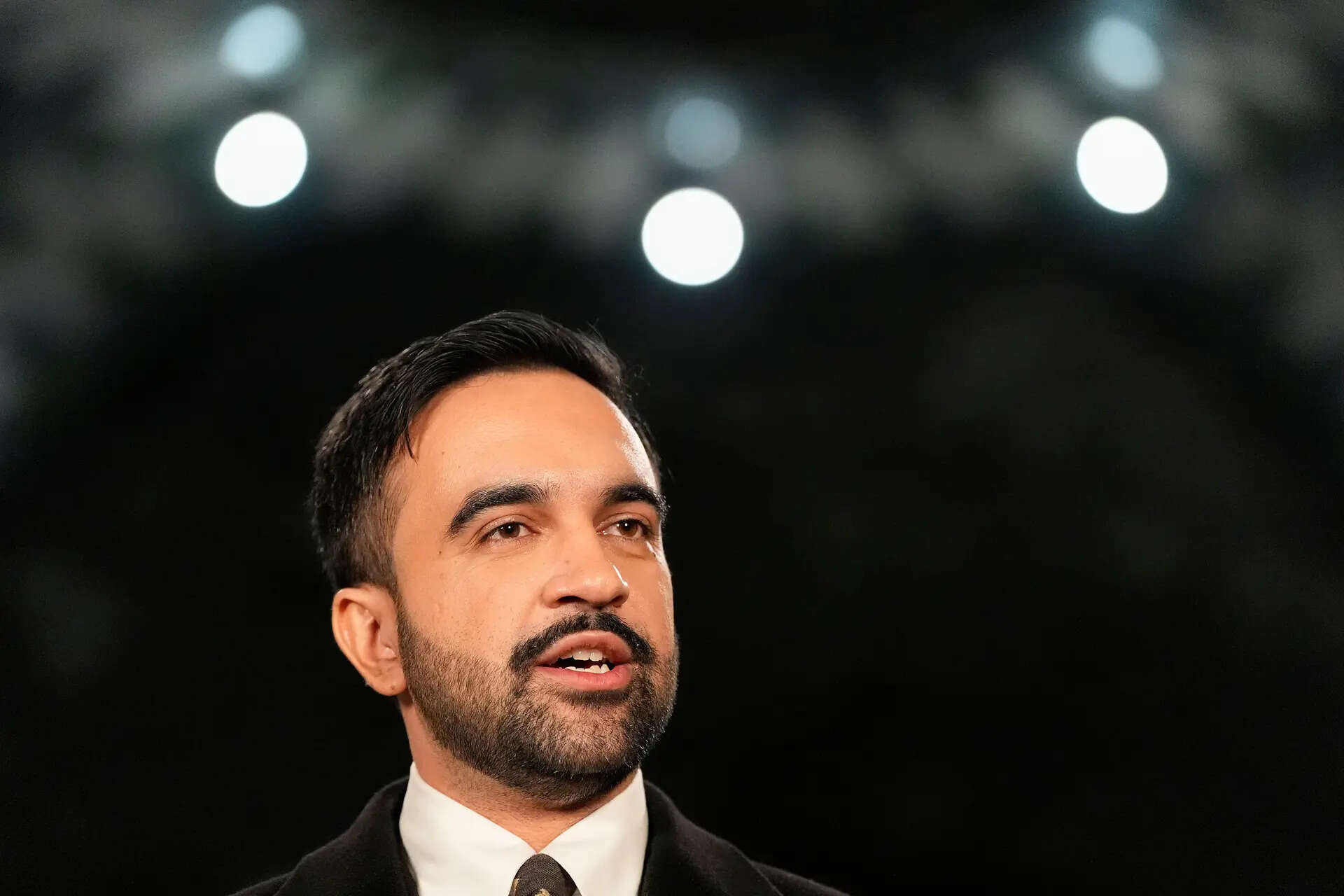
Move Over Power Suits, Zohran Mamdani’s Tie Is the Real Inauguration Icon (AP Photo/Yuki Iwamura)
The tie captured attention of fashion commentariat and soon enough, social media platforms lit up as it defied inauguration norms. Most political wardrobe choices stay safely within neutral palettes but Mamdani’s eri silk tie with its subtle texture and cultural depth stood out as refreshingly distinctive yet still elegant and dignified.It spotlighted sustainable materials. In an industry increasingly focused on ecological impact, silk alternatives and ethically produced textiles are trending. Eri silk’s cruelty-free provenance resonates with consumers and designers alike. The tie also offered a narrative depth as fashion has moved beyond aesthetics to storytelling. Mamdani’s tie was a conversation starter about identity, heritage and inclusive representation, all within a highly photographed, global moment.
A new horizon for political style?
Political wardrobes have long been dissected for symbolism, from Michelle Obama’s designer choices to Barack Obama’s flag-pin ties. Mamdani’s eri silk accessory suggests that global political figures are now embracing authentic, culturally specific fashion as part of their public persona.This shift parallels developments in contemporary fashion, which is a move away from homogenous corporate dress codes and towards diversity, narrative and craft. It is not merely about looking good but showing something meaningful.
Designer perspectives and global relevance of Zohran Mamdani’s style
Fashion insiders noted that such statements resonate especially in 2026, an era where cultural heritage is increasingly integrated into luxury fashion lines. Sustainability is a non-negotiable value among fashion consumers and global audiences expect public figures to reflect diversity and depth in personal style. The eri silk tie did exactly that, acting as a small yet powerful medium for cross-cultural dialogue.
The takeaway: Zohran Mamdani’s style with substance
In a world saturated with trending garments and seasonal must-haves, it is rare for a single accessory at a political moment to generate genuine fashion buzz. Zohran Mamdani’s Assamese eri silk tie achieved that, not because it was flashy but because it was intentional with a thoughtful blend of culture, sustainability and modern elegance. Go to Source