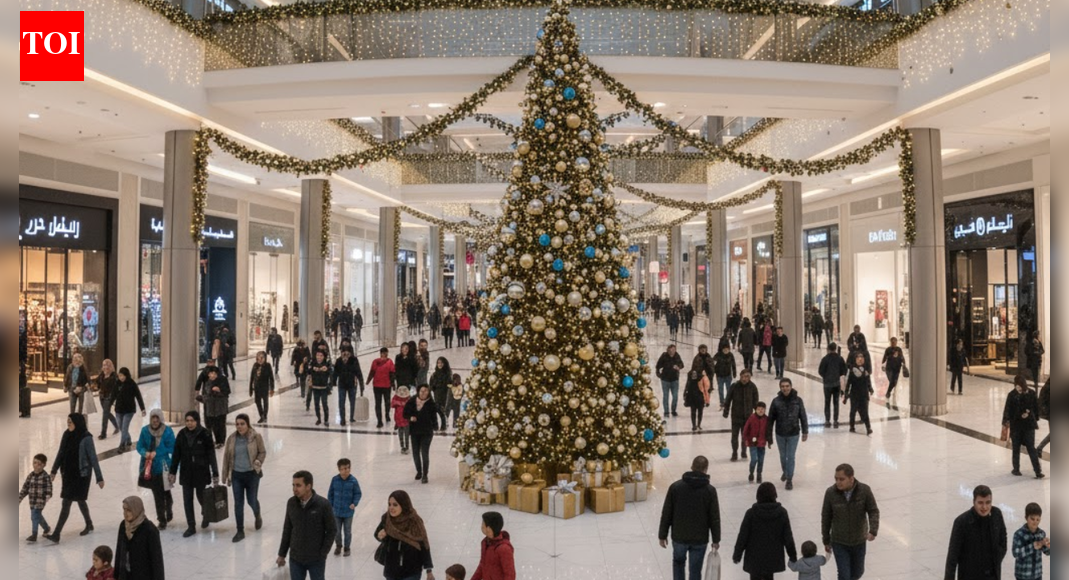

Christmas in Saudi Arabia moved from private gatherings to mall celebrations under Vision 2030/Representative Image
Christmas in Saudi Arabia has quietly transformed over the years. Once a private, low-key celebration confined to expatriate homes, the festival is now gradually appearing in public spaces, from decorated malls to themed events. This shift reflects the Kingdom’s ongoing cultural openness under Vision 2030, offering expatriates and curious visitors an opportunity to enjoy the festive season while respecting local traditions.
From secrecy to celebration
A decade ago, celebrating Christmas in Saudi Arabia was largely private. In 2015, public displays of religious symbols were strictly restricted. Western expatriates hosted small gatherings in homes or compounds, keeping the celebrations discreet to adhere to local norms.Today, the scene is markedly different. Riyadh and Jeddah now feature Christmas trees, lights, and festive menus in shopping malls, signalling a more open approach to the season. These displays are commercial and non-religious, intended to create a festive atmosphere rather than promote religious observance.This gradual change is part of Vision 2030, Crown Prince Mohammed bin Salman’s initiative to modernise Saudi Arabia. Large-scale events such as Riyadh Season now include themed entertainment, fake snow, and decorative lights, marking a significant evolution in how the festival is experienced.
Legal status: Private celebration remains key
It is important to note that Christmas is not a public holiday in Saudi Arabia. The official holidays for 2025 include Founding Day (22 February), Eid al-Fitr, Eid al-Adha, and National Day (23 September), but not Christmas. Employees are generally expected to work on December 25, although expatriates employed by international companies may have flexible leave depending on employer policies.Celebrating Christmas privately or within compounds is fully legal, and many expatriates continue to host parties at home. Public religious displays, such as crosses or nativity scenes, remain restricted. Malls and commercial areas, however, are increasingly decorated with trees, lights, and festive motifs, signalling a cautious but visible embrace of the season.
Why Christmas is becoming more visible
Several factors contribute to the growing presence of Christmas in Saudi Arabia:
- Vision 2030 and cultural openness
The initiative encourages a more diverse society and introduces entertainment hubs and international festivals. Allowing visible Christmas decorations aligns with the broader cultural and economic goals of Vision 2030.
- A large expatriate population
Millions of foreign workers celebrate Christmas. The relaxed approach to private and semi-public festivities allows expatriates to observe their traditions, contributing to the economy through spending on gifts, travel, and dining.
- Tourism and commercial opportunities
With tourist visas and a growing focus on international visitors, businesses see Christmas as a way to attract customers. Seasonal promotions and festive experiences in malls and entertainment zones benefit both residents and tourists.
How to celebrate Christmas
For those living in or visiting Saudi Arabia, enjoying Christmas requires understanding the distinction between private and public celebrations:
- Private gatherings: Home celebrations remain the safest way to include religious elements.
- Malls and commercial spaces: Decorations and lights are increasingly common, offering a festive atmosphere that is non-religious and publicly acceptable.
- Festivals and events: Large-scale events such as Riyadh Season feature entertainment and festive themes suitable for families and visitors.
The key is to respect local laws and customs while enjoying the season in a safe and culturally appropriate way.
A gradual shift, not a sudden change
Christmas in Saudi Arabia is not suddenly appearing in 2025, it has been gradually evolving over the past decade. Private celebrations have always existed, and public visibility is increasing steadily. This shift highlights the Kingdom’s efforts to embrace cultural diversity while maintaining respect for local traditions.For expatriates, tourists, and locals, this new era offers the chance to experience the festive season with dignity, blending tradition, celebration, and cultural awareness. Go to Source