
.
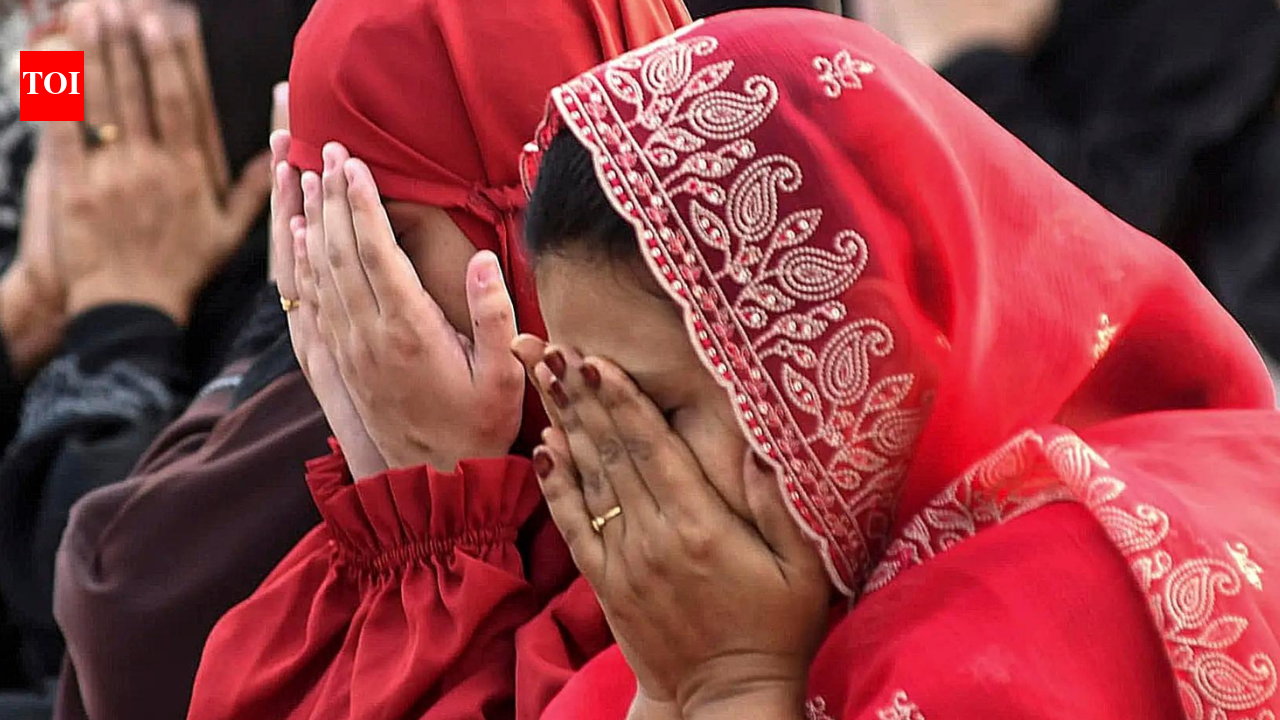
NEW DELHI: Justice Ahsanuddin Amanullah, part of a nine-judge Supreme Court bench, on Thursday said everyone must know that since the days of the Prophet, there was no ban on entry of women into mosques to offer namaz though there were customs and procedures in Islam regulating the manner of how can they offer prayer.When senior advocate M R Shamshad argued that the custom of providing separate space for Muslim women to offer namaz could not be questioned by a court and said though there was no ban on Muslim women offering namaz in a mosque, it was preferable that they did so in their homes. Justice Amanullah said, “A reason for Islam to prefer women offering namaz at home is that if every adult of a family goes to a mosque to offer namaz, who will take care of the children?”Taking the opportunity of the debate over faith vs fundamental rights arising from the Sabarimala temple entry case, Shamshad said the nine-judge bench must overrule the 1994 SC judgment in Ismail Farooqui case, relating to Ram Janmaboomi case, which had ruled that mosque is not essential for namaz.”Masjid is the essence of Islam, the core belief of Muslims. All religious practices are related to masjid. But in Ismail Farooqui, the SC illogically ruled that since namaz can be offered in an open ground, a mosque is not essential for namaz,” Shamshad argued.. He said the PIL seeking equal treatment of women in offering namaz in a mosque and seeking front row place in the congregation for them was not provided for in the Quran. “There is no concept of sanctum sanctorum, like in a temple, in a mosque, where the entry of women is barred,” he added.Justice Amanullah said, “Whether women stand in the front row or offer namaz in a separate enclosure is decided by the custom which has been in practice for 1,200 years.”