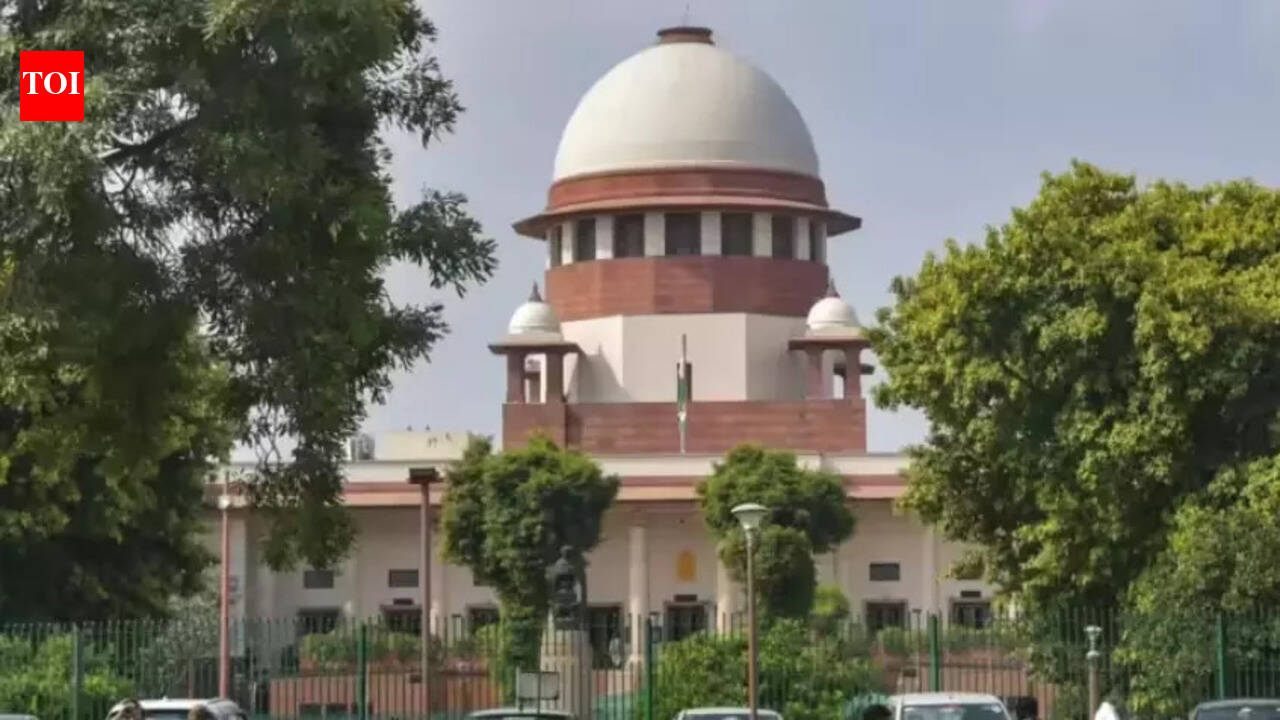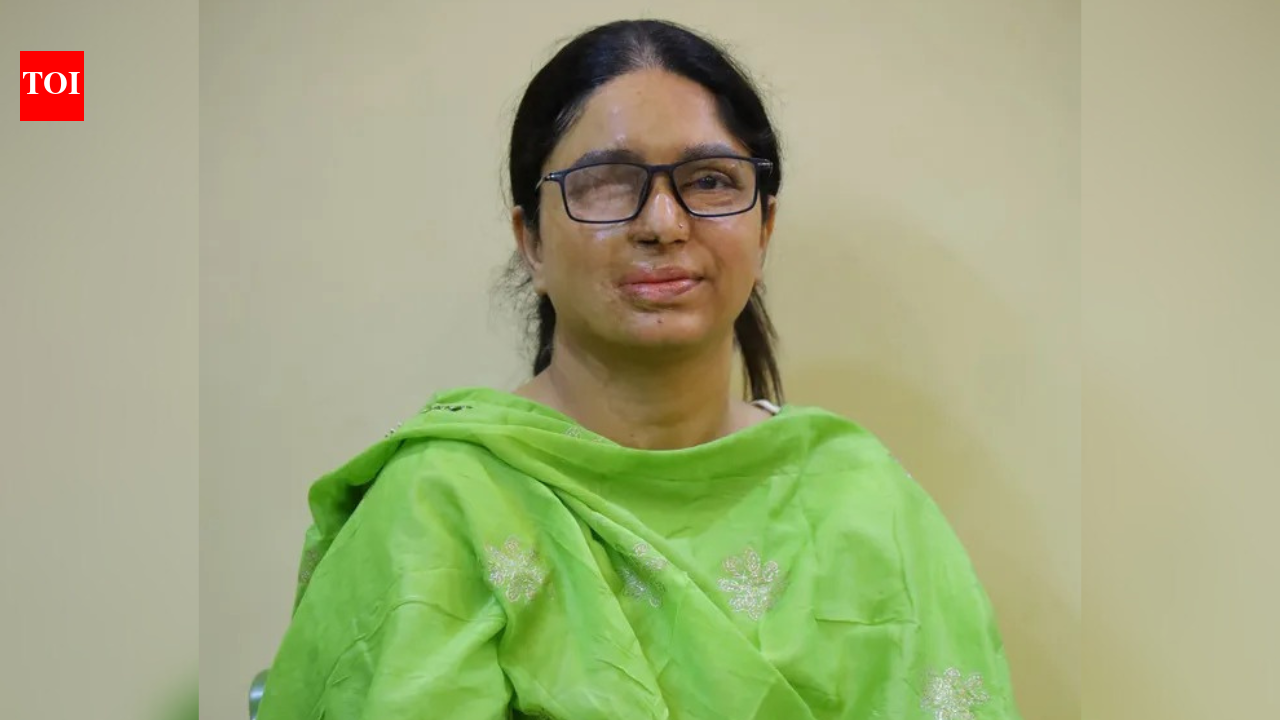


‘Rs 20 worth of acid can destroy an entire life…glad SC has recognised the urgency’At 26, Shaheen Malik was an MBA aspirant when some jealous colleagues threw acid on her outside her workplace in Panipat, that left her blind in one eye and with a lifetime of surgeries. Sixteen years on, her attackers roam free and Malik is still explaining pain. To hospitals, courts, and a system that moves at its own pace. Malik, now 42, walked into the Supreme Court in Dec with a PIL to flag a blind spot in Indian law that leaves a small but acutely vulnerable group of acid attack survivors — those forced to ingest acid — without support. The hearing took an unexpected turn when the Chief Justice sought details of her trial, and called the delay a ‘national shame’. This week, the SC advocated tougher deterrents like attaching the accused’s assets to compensate victims. Malik spoke to Mohua Dasabout long waits for justice, patchy safeguards, and why survival demands more stamina than most people have.Through your Brave Souls Foundation, you’ve seen how attackers face few consequences. Do you think these proposed measures can change that?What the Chief Justice said felt absolutely necessary. There should be punishment so people are afraid of committing such crimes. Right now, the accused roam freely. They get bail easily and face no real consequences. It has to be made difficult and painful. But saying it is one thing. Real achievement will be when this actually starts getting implemented. That is when conditions will truly start improving.You went to court for victims of forceful acid ingestion (VFAI), but the Chief Justice pulled up your own 16-year-old case and data from across states. Does it feel like justice is finally catching up or is it a reminder of what it takes to wake the system?The court could have limited itself to giving me relief only on the disability issue. Instead, it expanded the scope and raised larger questions around trials and deterrence. That gives me hope. Our judiciary should function like this consistently. We will keep filing PILs for survivors, but after CJI’s mandate, there should be clear directions on speedy trials, timelines, rehabilitation policies. That’s when change will actually happen. The law mandates free treatment to acid attack victims by both govt and private hospitals, and refusal is a punishable offence. Why does this still fail on the ground?There’s absolutely no clarity. No private hospital gives free treatment to acid attack survivors, and frankly, they don’t want to. There’s no nodal officer, no coordination mechanism. The law simply says free treatment should be given, but when survivors go to hospitals, it’s outright refused. After that begins a long process. Once we approach the high court, the hospital suddenly says it is ready to give treatment “on humanitarian grounds”, but in reality, it is because of a court order. Even after that discrimination doesn’t stop. Survivors are made to wait for long hours, told beds aren’t available, even in big hospitals. Now imagine survivors without NGOs or lawyers. Who will actually get free treatment? Almost no one.Is this free treatment meant to cover only emergency care, or does it extend to long-term and reconstructive treatment?In Parivartan vs Union of India in 2015, the court clearly said “full free medical treatment”. But that’s not how it works in reality. Govt hospitals are interested only in life-saving surgery. There are long queues, hygiene issues, and waiting periods of six months for a single surgery. If someone needs 40 surgeries, then 20 years of their life will pass. I myself have had 25. My left side still needs lifelong treatment but I’m tired. I don’t want any more surgeries.When did you realise that survivors forced to ingest acid were being completely excluded from the system, and why did it lead to this PIL?It was after the establishment of Brave Souls Foundation in 2021 that we were approached by VFAI survivors. When I began assisting these survivors with compensation and medical treatment, it became clear that the Rights of Persons with Disabilities Act entirely leaves out survivors who are forced to ingest acid. Their pleas for enhanced compensation are dodged and their disability is not recognised. That is why it became necessary to approach the court. If criminal law recognises this violence, beneficial laws must also recognise the resulting disability.Forceful acid ingestion is rarely discussed. How devastating is it for the body?This form of violence is rare but extremely brutal, often used as a method of torture, coercion or abuse, especially within domestic violence. The ingestion of acid causes immediate severe burns to the mouth, throat, oesophagus and stomach. Survivors experience extreme pain, difficulty swallowing, vomiting blood and swelling of the airway. Internal scarring can narrow the oesophagus, and require repeated surgeries. Many survivors cannot eat or drink normally and need feeding tubes.NCRB data shows cases rising again. Why do you think that is?Most attacks are committed by jilted lovers or as a form of domestic violence. Many arise from family disputes or personal enmity. More cases are now being reported because people are beginning to speak up. But many acid attacks still go unreported.Acid sales are meant to be regulated. How easy is it to access acid even today?In Laxmi Aggarwal vs Union of India, the SC said acid sale must be regulated. But implementation on ground is zero. We have filed many RTIs most of which returned with NIL or NO as replies. Acid is very easy to procure and extremely cheap. It’s sold as bathroom or floor cleaner and shopkeepers rarely ask why it is being bought. Rs 20 worth of acid can destroy an entire life. That is what makes it such a dangerous weapon. At the very least, acid should be banned at retail shops. Even today, vendors sell it openly in residential areas including my own street.After a Delhi court acquitted the accused in your case citing lack of evidence, and after years of working with survivors, where do you see the system failing most?Poor investigation was a major reason my case collapsed. When the foundation of a case is weak, justice collapses. Besides that, the biggest gaps are lack of sensitivity and strict punishment. These are not ordinary crimes, but are treated like normal cases. Because of visible scars, survivors face discrimination in jobs, housing and social life. Many go blind and remain confined to their homes for years. Only three states—Karnataka, Haryana and Punjab—provide pensions. Even DLSA compensation, meant to be given within three months, is delayed for years. Survivors get exhausted and give up, or settle for a measly amount. Not everyone has 16 years or the resources to keep fighting. Go to Source