
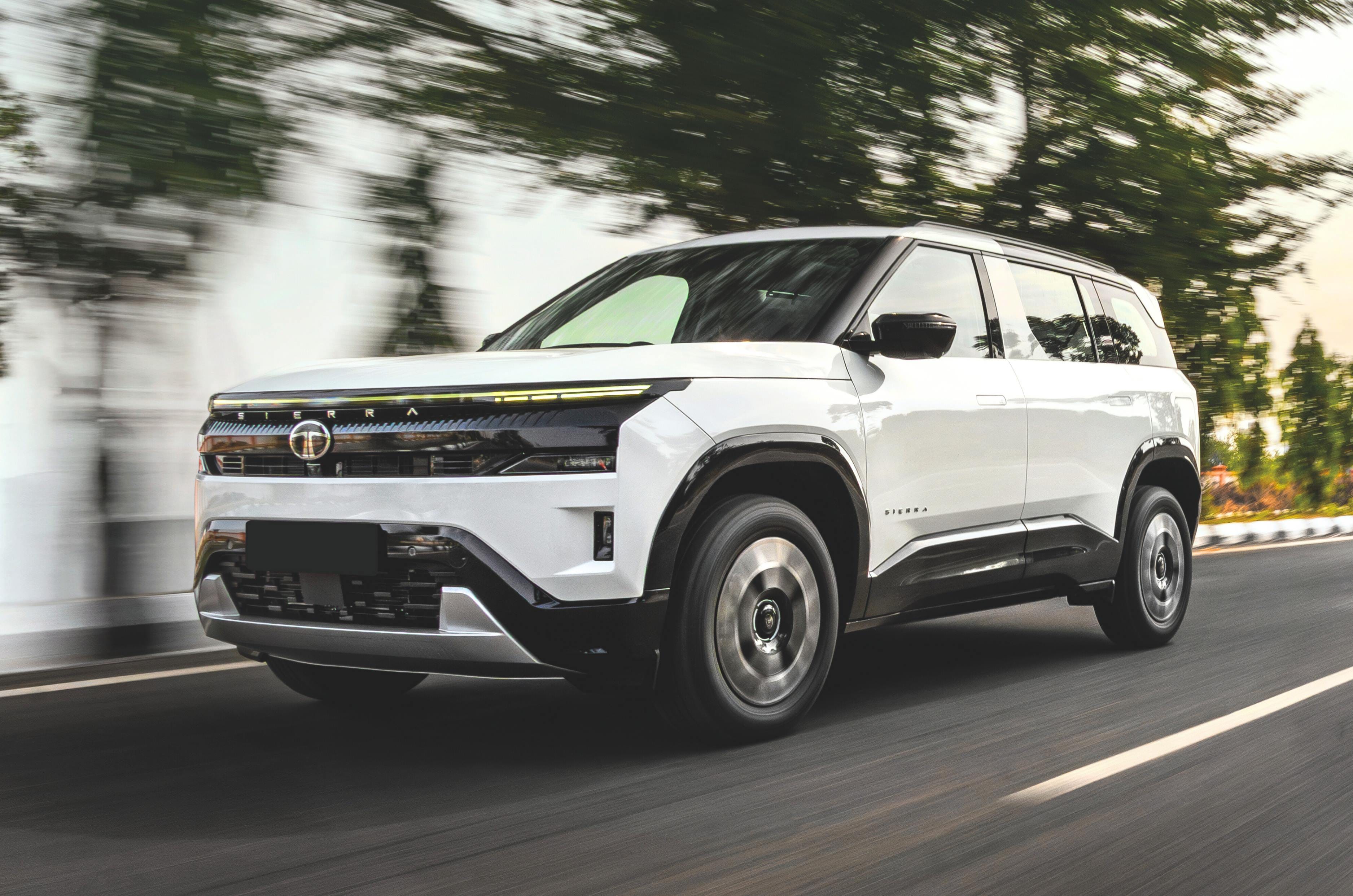

Arguably, the biggest launch of 2025 was the Tata Sierra, which racked up over 70,000 bookings soon after they opened. It’s a defining moment, for Tata Motors has gone all out to bring back to life a celebrated name and has thrown everything it possibly can into the Sierra, which comes with three engine options – a 1.5 turbo diesel, a 1.5 direct-injection turbo-petrol and a 1.5 naturally aspirated (NA) petrol.
Sierra Performance and Refinement –
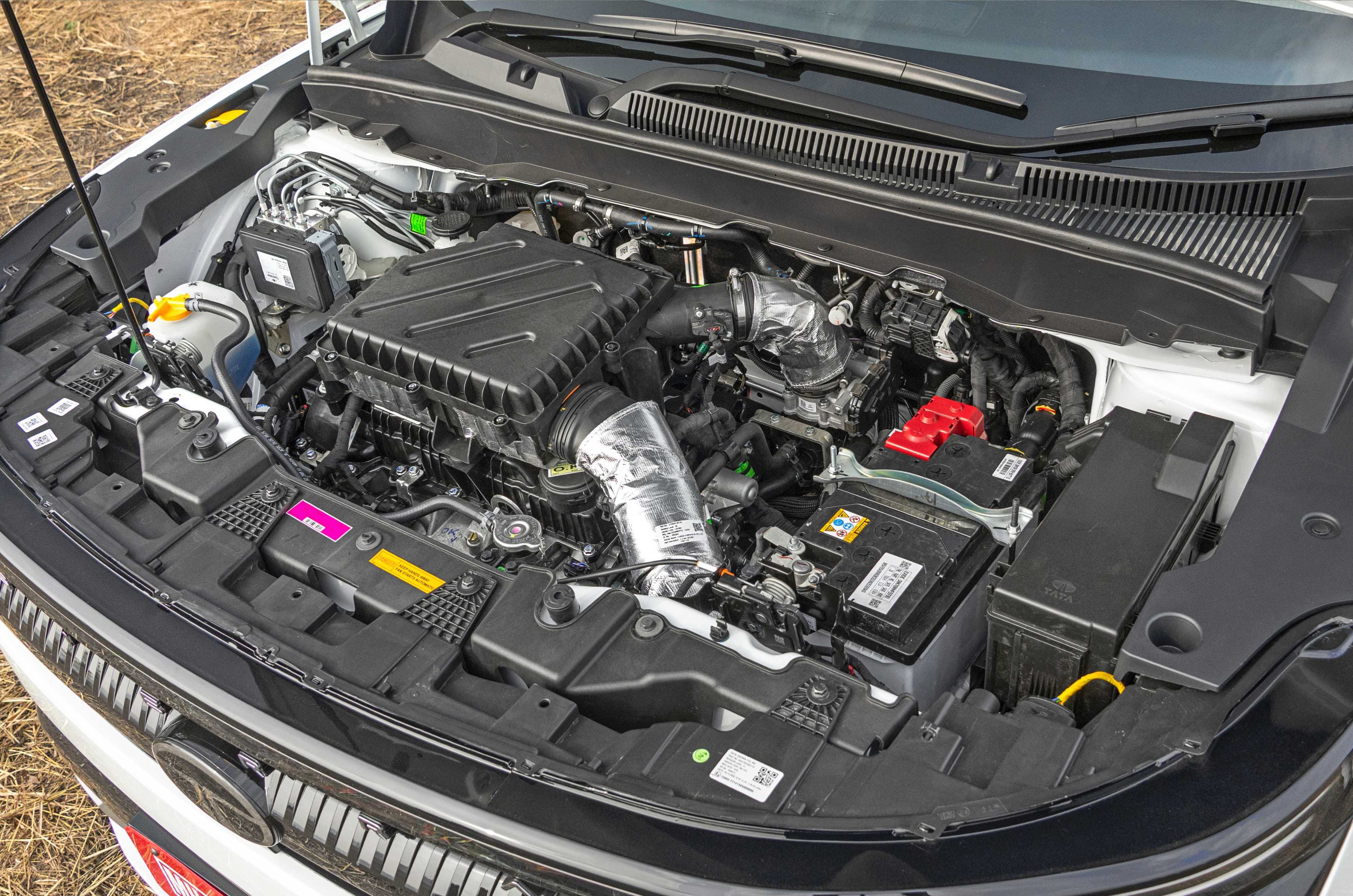
Powering the base variants is the 1.5 NA engine, which has allowed Tata to price the entry-level Sierra at an aggressive Rs 11.50 lakh and make its all-new mid-size SUV accessible to a wider audience, especially those upgrading from compact SUVs. While the price is very attractive, the power and torque figures aren’t exactly scintillating – just 106hp and 145Nm.
Tata’s new 1.5-litre four-cylinder petrol engine operates on the Atkinson cycle, which prioritises efficiency over outright performance when compared to conventional Otto-cycle petrol engines. Typically, such engines are paired with an electric motor in hybrid applications to compensate for their lower output. The Sierra, however, is not a hybrid – at least for now.
So how does the Sierra NA perform in the real world?
With peak torque arriving early at 2,100rpm and most of its torque available low down, the Sierra feels game enough to keep up in Mumbai city traffic. It feels best on part throttle, ambling along in a relaxed manner, and is quite competent as a point-A-to-B commuter. In this mode, the engine is also smooth and well-mannered, with a refined, easy-going character that suits everyday driving. Push harder, though, and its limitations become evident.
Acceleration is sluggish and quick overtakes demand careful planning. To put things into perspective, the Sierra NA petrol-manual completes the 0-100kph sprint in a leisurely 17.34 seconds. Its 20-80kph in third gear rolling acceleration time is even more telling at 18.38 seconds.
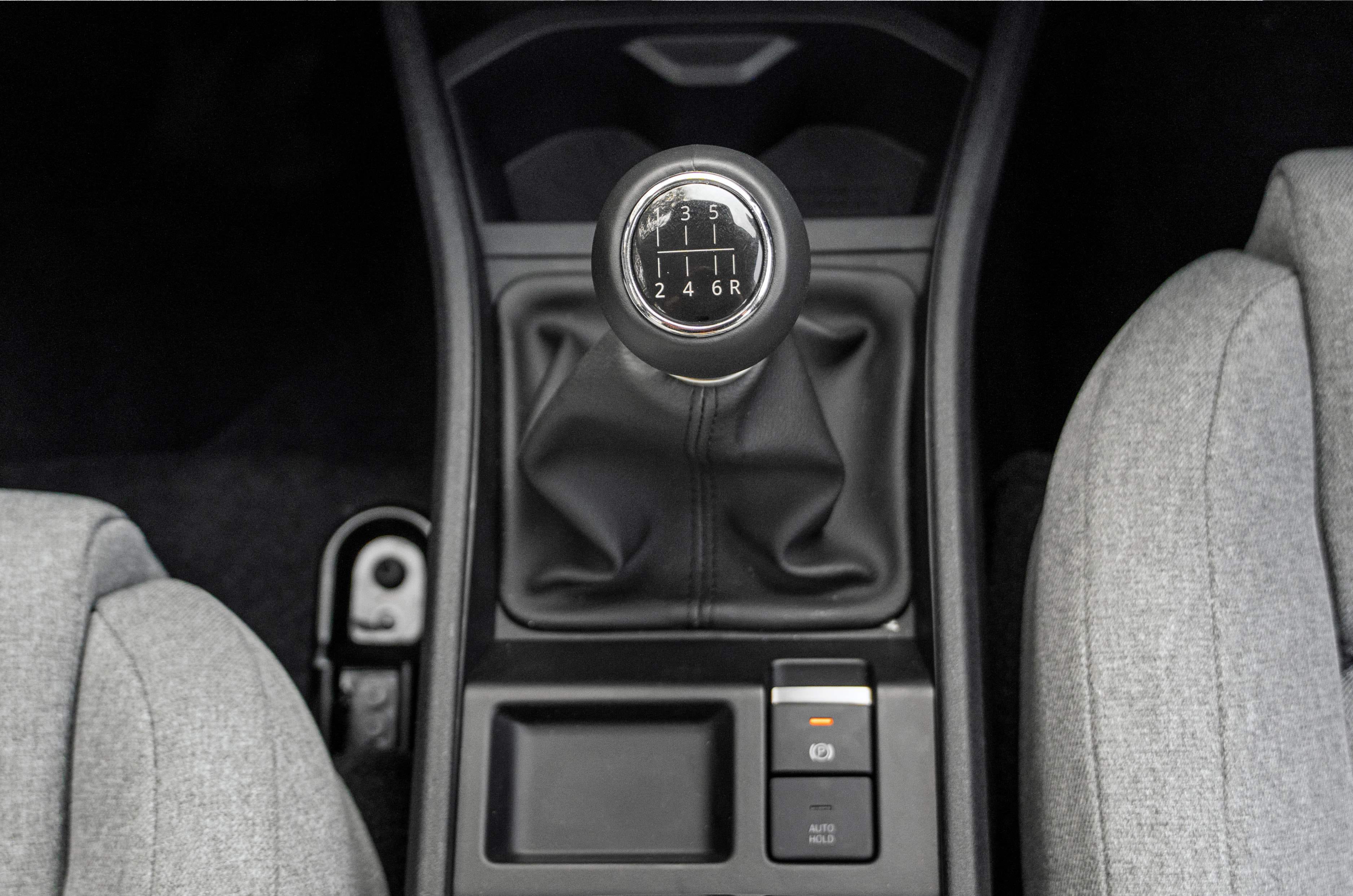
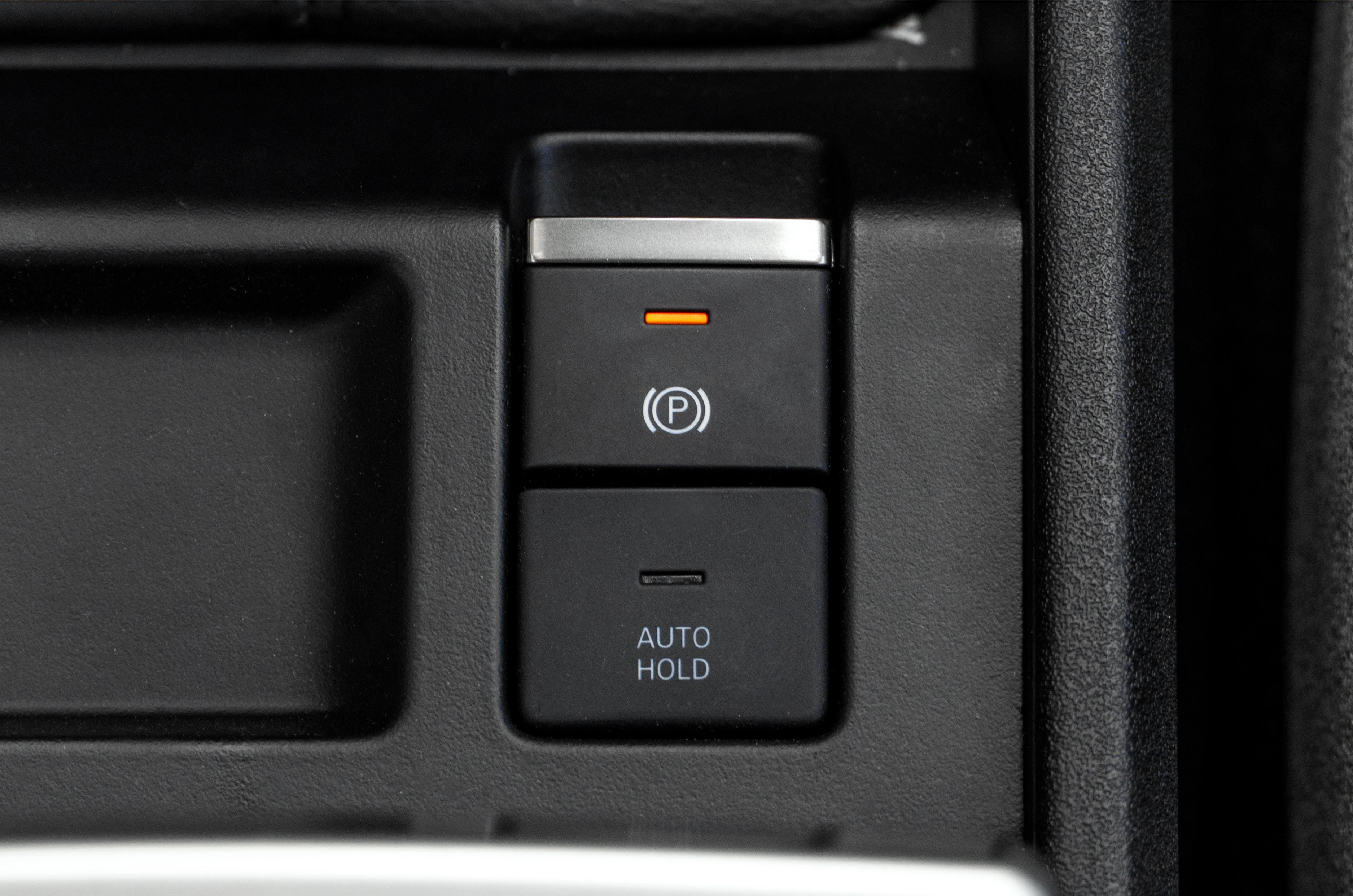
On the positive side, the 6-speed manual gearbox is one of the smoothest units Tata has produced so far. The clutch is light and progressive, making city driving stress-free, and unlike the automatic, which insists on the seatbelt being fastened before the car can move, the manual version features an electric parking brake switch that can be disengaged manually. This proves especially useful while manoeuvring within parking areas.
The 1.5 NA engine is also paired with a seven-speed dual-clutch automatic (DCA) tuned for comfort, but performance is even more relaxed. Tata engineers seem to have calibrated the gearbox for smoothness and, while acceleration is very linear and the shifts themselves are seamless, it has come at the expense of responsiveness – there’s a noticeable pause between gearshifts. You do get paddle-shifters for manual control, which, as with the 6-speed manual, you really have to use if you want to pick up the pace.
Sierra Mileage / Range and Efficiency –
The Atkinson-cycle petrol engine is designed to deliver good fuel efficiency and, despite the hefty kerb weight of around 1.4 tonnes, the 1.5 NA Sierra returns between 17-18kpl, which is quite respectable and comparable to the Hyundai Creta 1.5 NA manual (17.4kpl).
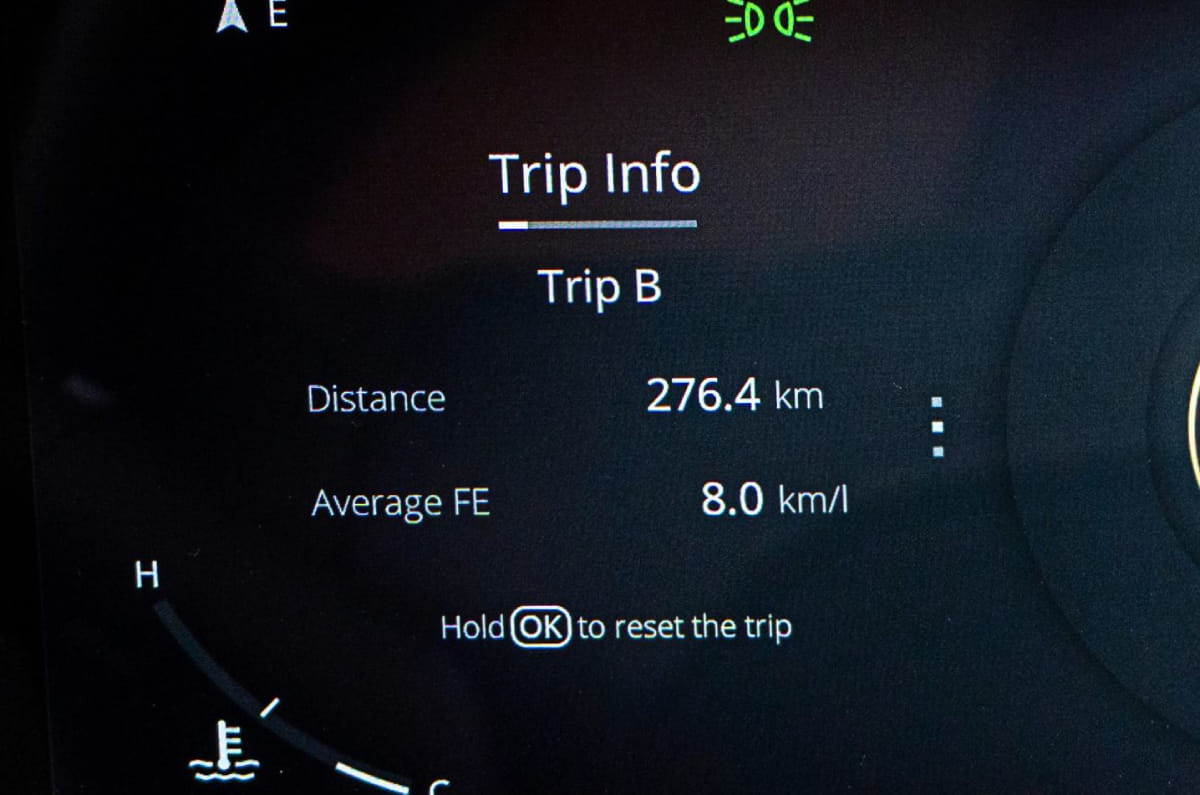
To help reduce fuel consumption at idle, the Sierra gets an automatic engine stop-start system. Unfortunately, this system behaves inconsistently, sometimes failing to recognise driver inputs and not restarting automatically. Adding to this, the MID’s fuel efficiency readout is programmed to not display figures below 8kpl, which doesn’t give an accurate picture.
Sierra Ride Comfort and Handling –
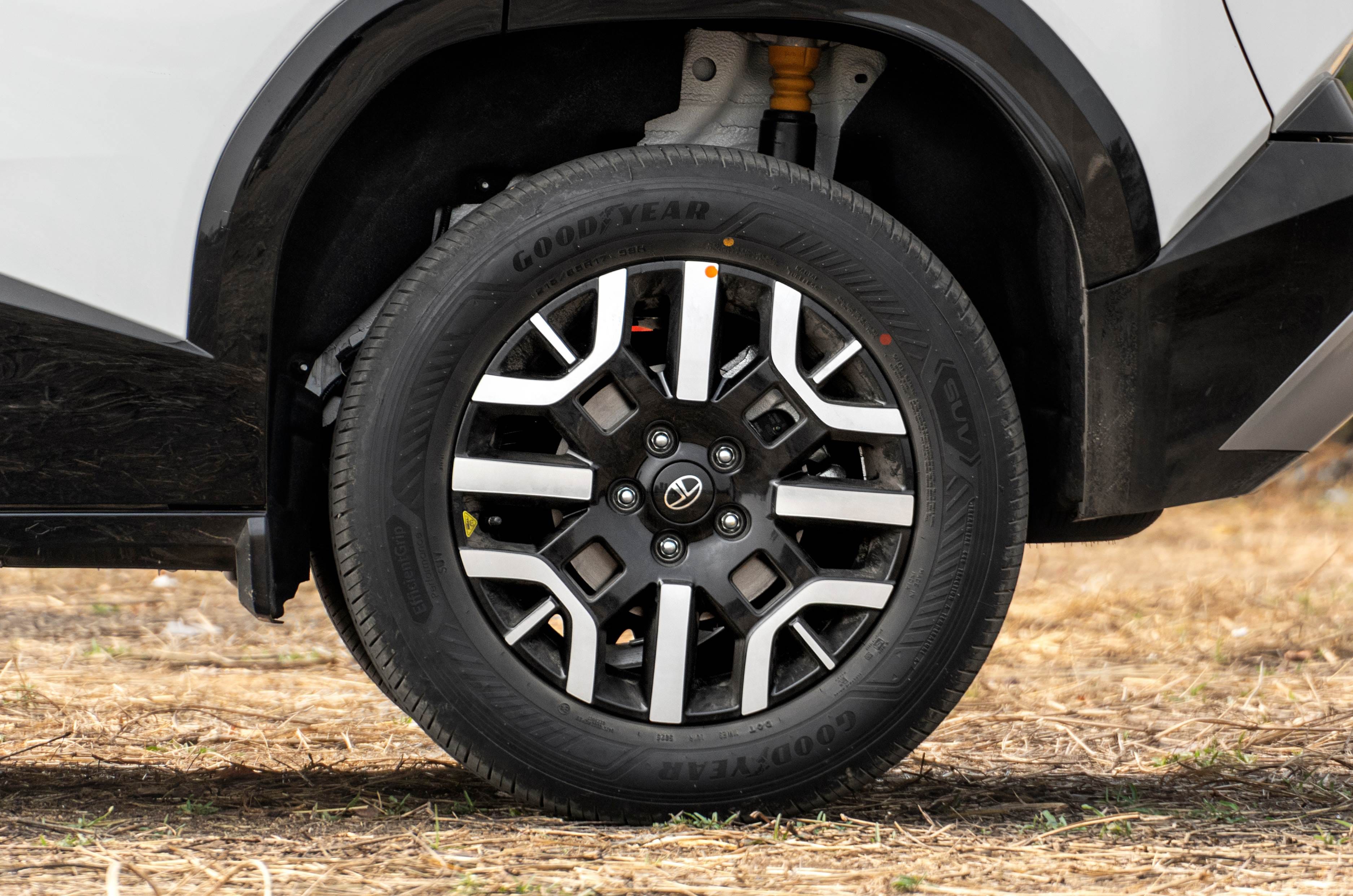
Where the Sierra really comes into its own is on the road. Ride comfort is one of its strongest attributes. The frequency-selective damping (FSD) work exceptionally well, keeping the SUV composed and planted even over badly broken surfaces. Large potholes and sharp ruts are absorbed with ease, and the Sierra never loses its composure, simply gobbling up rutted roads with quiet confidence. One advantage of the smaller 17-inch wheels on the lower variants (19-inch on the top trims) is the use of high 65-profile tyres whose tall sidewalls add a crucial extra layer of comfort. Unlike the top-end 1.5 TGDi Sierra, you don’t feel sharp edges here, which are nicely rounded off.
Body control is impressive too, and despite its height and weight, the Sierra feels reassuringly stable through corners. Mechanical grip is strong and inspires confidence at speed, while the steering, though light, is accurate and makes the big Sierra easy to position on the road. Add the tight 10.6m turning circle, and what could have felt like a cumbersome SUV instead becomes surprisingly comfortable to thread through tight roads and far more manageable in everyday urban driving.
Sierra Interior Space and Comfort –
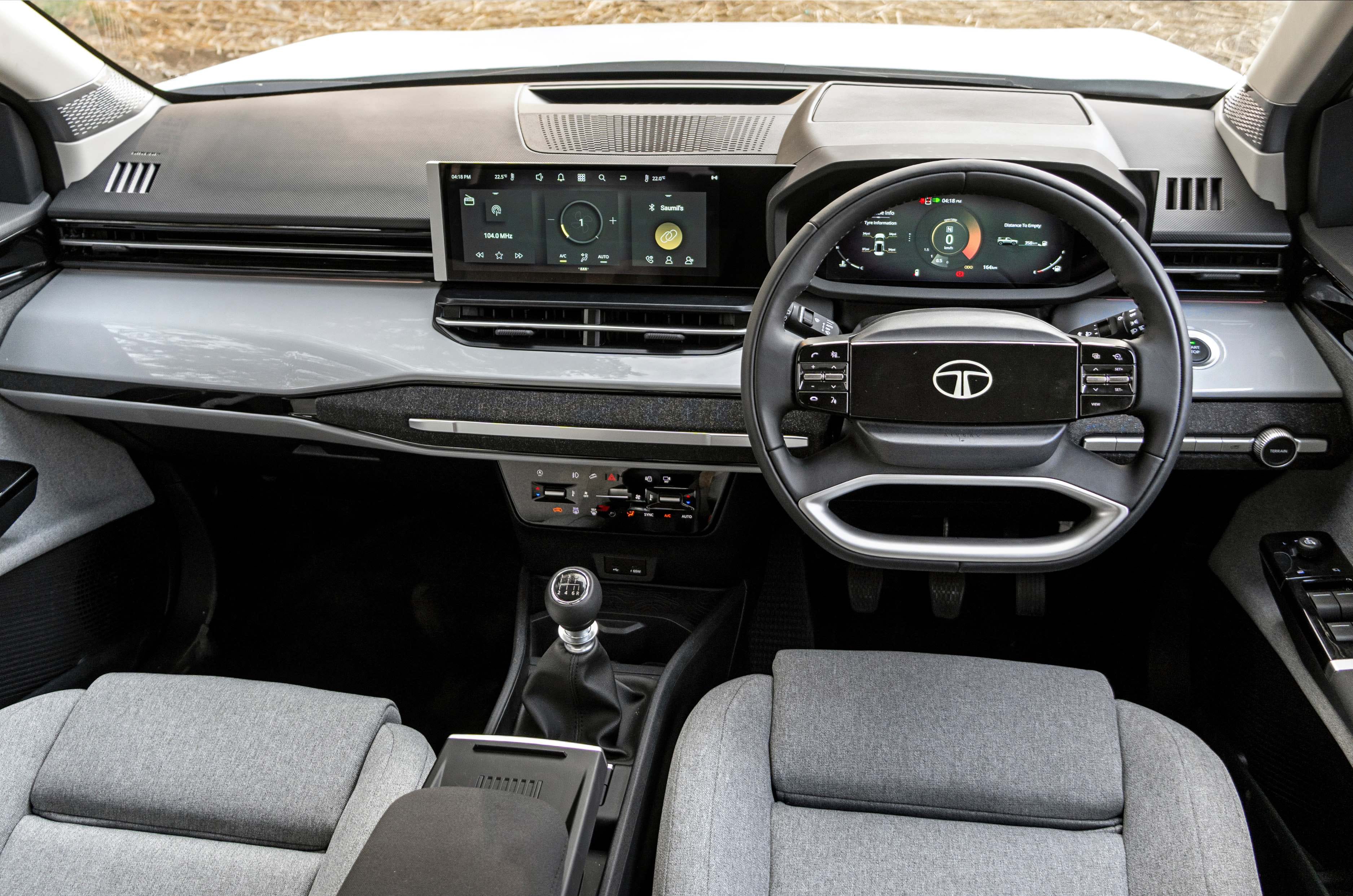
If the road manners of the Sierra are impressive, the cabin will blow you away. The interior isn’t just a leap forward for Tata; it has a genuine feel-good factor that puts it right up there with the Korean brands and beyond. The overall fit and finish is a huge leap forward for Tata Motors, but what really gives the cabin its premium edge is the quality of materials used. Soft-touch surfaces all around, textured inserts, top-class metallic finishes, and piano-black and glossy elements look and feel genuinely upmarket. And this is in the mid-level Adventure+ trim, which gets a dual-screen setup, not the much-talked-about three-screen display reserved for the top-end diesel and 1.5 turbo-petrol variants.
The touchscreen itself is sharp, highly responsive and easy to navigate. The 360-degree camera stands out with some of the best resolution we’ve experienced in this segment, while the 8-speaker audio system delivers an impressive listening experience.
There are a few ergonomic glitches, though, like the mobile phone holder in the centre console, which doesn’t grip the phone well at all, and under hard braking or cornering it simply slides out and ends up rattling around the cabin.
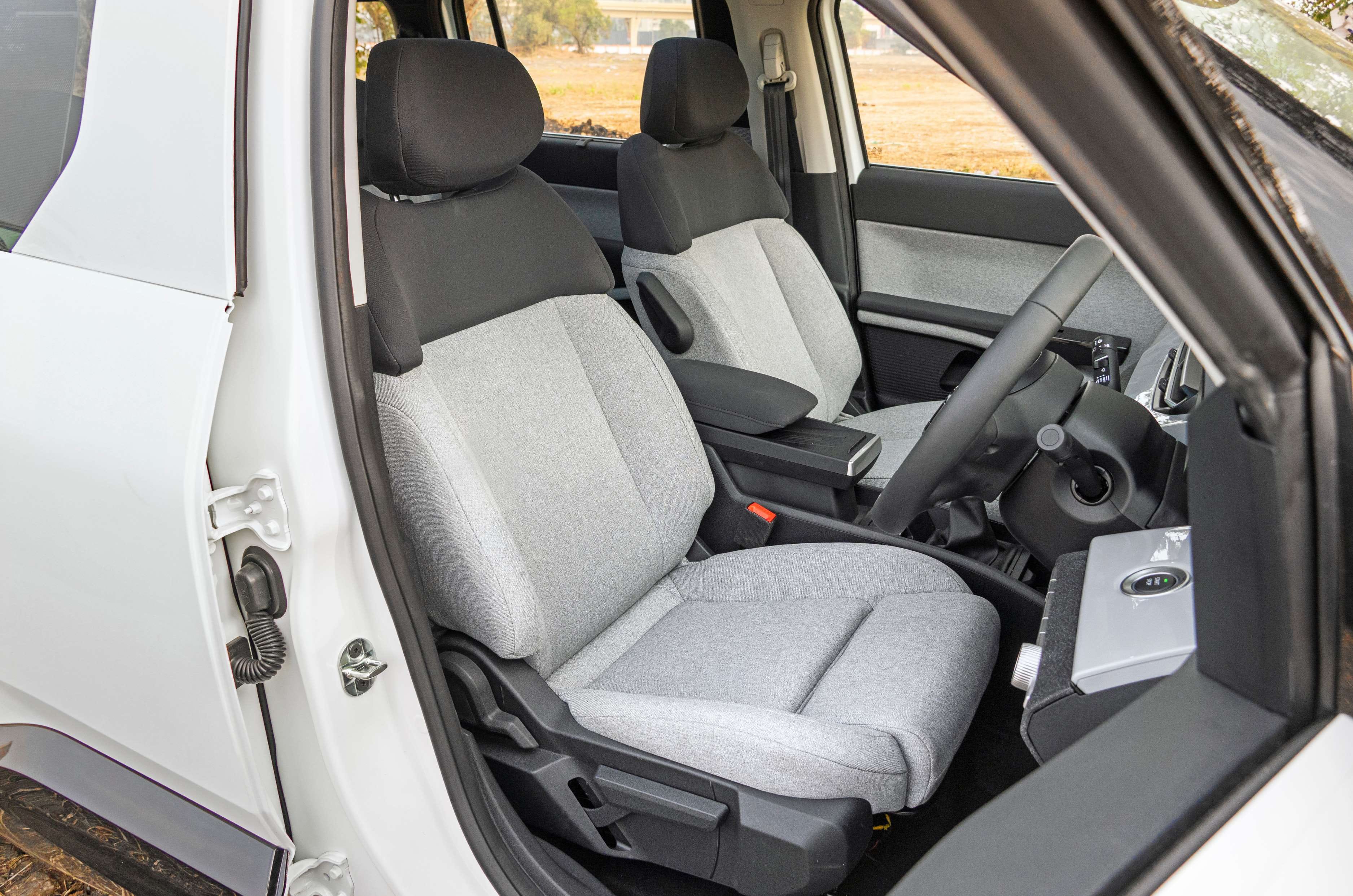
The Sierra’s seats, tightly stitched in fabric, are exceptionally comfortable allowing you to travel for long hours without feeling tired. The front seats are large and very supportive with extendable thigh support to suit tall drivers. Rear seat comfort is even better, in fact it’s the best amongst all the mid-size SUVS with generous legroom, excellent under-thigh support and a high seating position. Boot capacity is rated at 420 litres beneath the parcel shelf, but thanks to its boxy and usable shape, it can actually swallow more luggage than a Hyundai Creta, despite the latter’s larger 433-litre claim on paper.
Sierra Features and Safety –
There’s no shortage of equipment and this Adventure+ variant gets FSD damping, auto LED headlamps, a 12.3-inch touchscreen with wireless Android Auto and Apple CarPlay, panoramic sunroof, a 10.2-inch digital instrument cluster, 360-degree camera, cruise control, boss function and reclining rear seats.
Opt for the fully loaded Accomplished variant in the NA petrol range, and you get leatherette upholstery, ventilated front seats, ADAS, wireless charging, a 12-speaker JBL Black audio system and a head-up display, among other additions, at a premium of Rs 1.5 lakh over the Adventure+.
Sierra Exterior Design and Engineering –
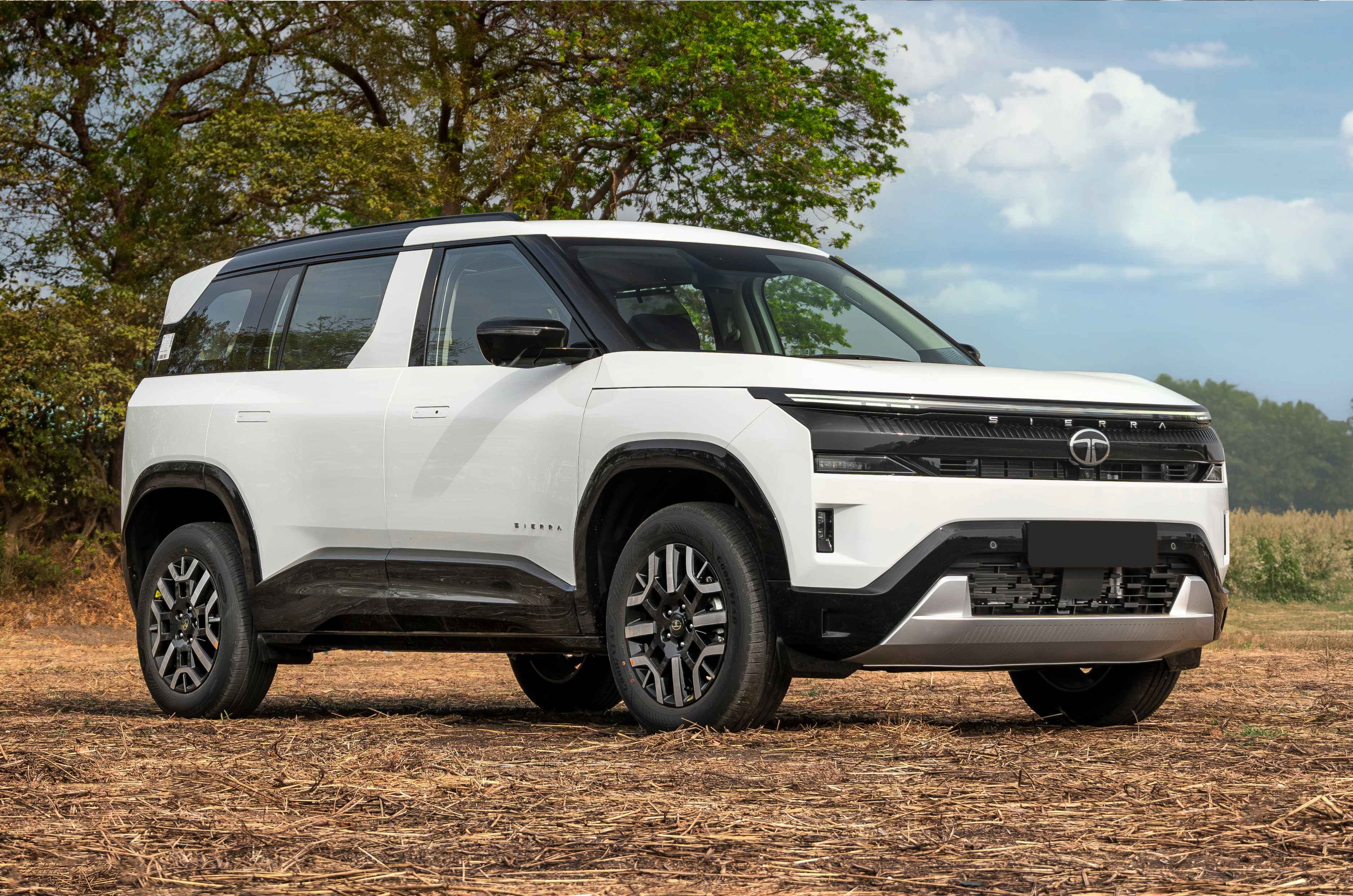
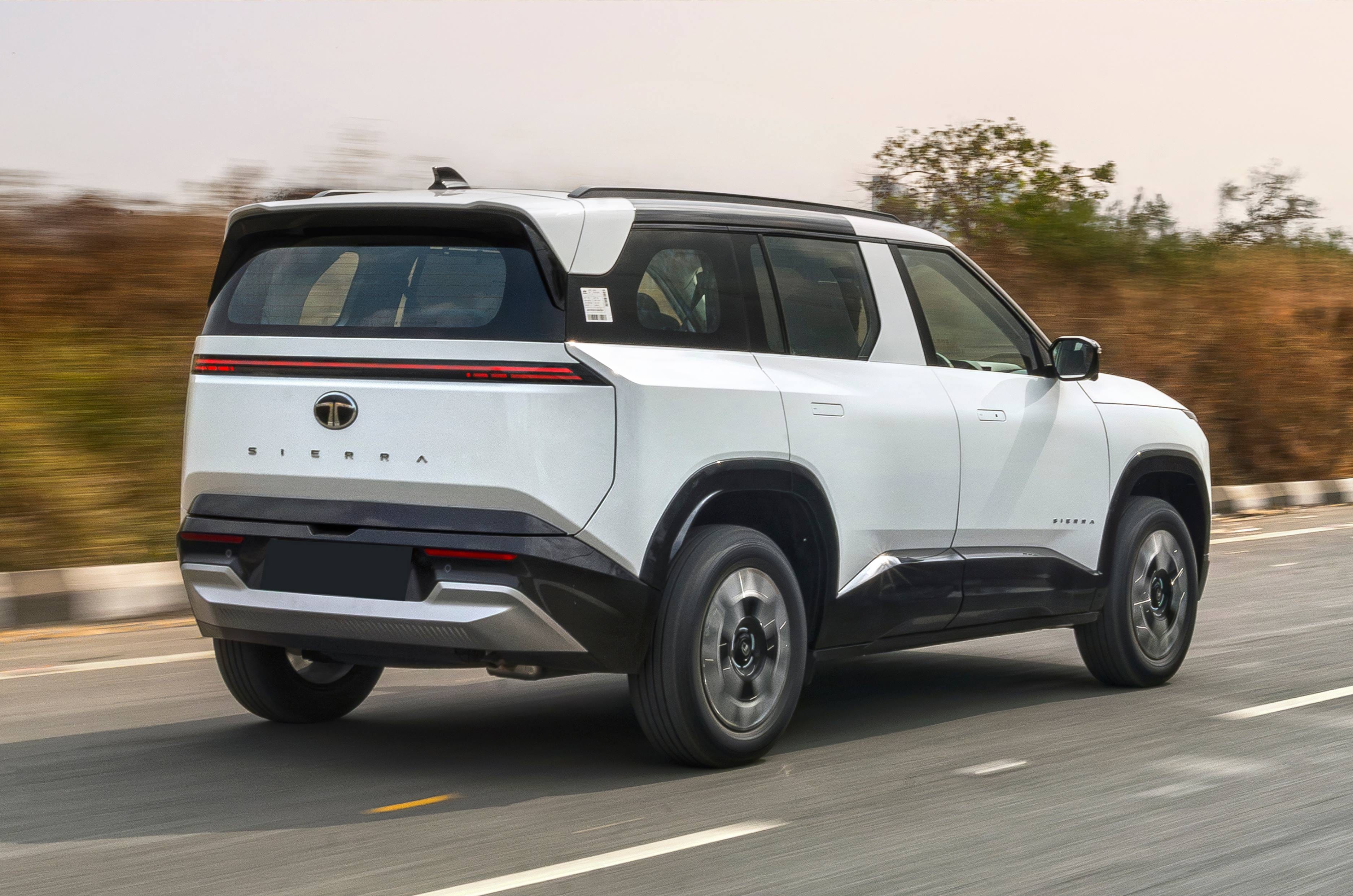
The Sierra’s stunning design is of course the main draw which has got thousands to drop a deposit without even driving the car. Its tall stance, squared-off wheel arches and signature wraparound glass effect are clear throwbacks to the original Sierra from the ’90s, lending it a distinct identity.
Our NA petrol test car in Adventure+ trim rides on 17-inch alloy wheels. While these aid ride comfort, they don’t fill the wheel arches as convincingly as the 19-inch units on higher trims, leaving some of the less attractive wheel housing elements exposed. Flush-type door handles add to the clean, modern design, but their two-step operation feels unintuitive and inconvenient in daily use.
Sierra Value for Money –
The Sierra is an enormously appealing package, with standout road manners, a superbly executed cabin and one of the strongest feature lists in the segment. Its ride and handling balance is among the best in class, while the space, seating and material quality give it a genuinely premium feel even in lower trims.
The weak link in this otherwise strong package is the 1.5-litre naturally aspirated petrol engine: tuned for efficiency rather than urgency, it simply lacks the punch to move the Sierra’s size and weight with real authority. It is smooth and refined in everyday use, but performance is strictly adequate, especially when you ask for quick overtakes or brisk progress.
That said, the Sierra more than compensates with its plush ride, exceptionally comfortable seating and sheer breadth of equipment. In this guise, it also makes a strong case as a chauffeur-driven SUV—quiet, relaxed and effortless to travel in, where you’re never having to work the engine hard to enjoy what the car does best.
The NA petrol-manual, priced between Rs 11.49 lakh and Rs 17.99 lakh, is the most accessible way into the Sierra range, while the petrol-DCA sits between Rs 14.79 lakh and Rs 16.79 lakh at a Rs 1.5 lakh premium. If ease of use, space and features matter more than outright performance, this version delivers the core Sierra experience. But if you want the driving to match the rest of the car, stretching for the diesel or turbo-petrol remains the more satisfying choice.

