
 Tata Motors Punch
Tata Motors Passenger Vehicles is planning to bring its first flex-fuel vehicle in the country either by end-2026 or early 2027 amid the government’s push towards higher ethanol blending in fuels, the company’s top executive said on Thursday.
“By the end of this year or early next year, we should be ready with our flex fuel also, one product at least,” said Shailesh Chandra, Managing Director and Chief Executive Officer, Tata Motors Passenger Vehicles during Q4 post earnings call.
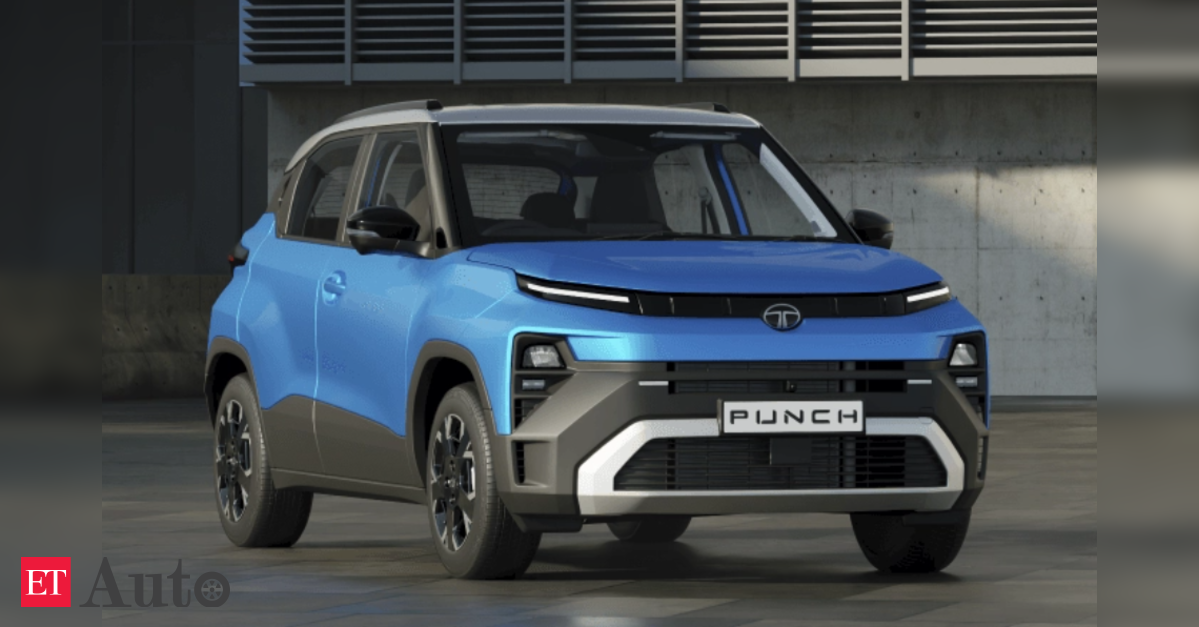
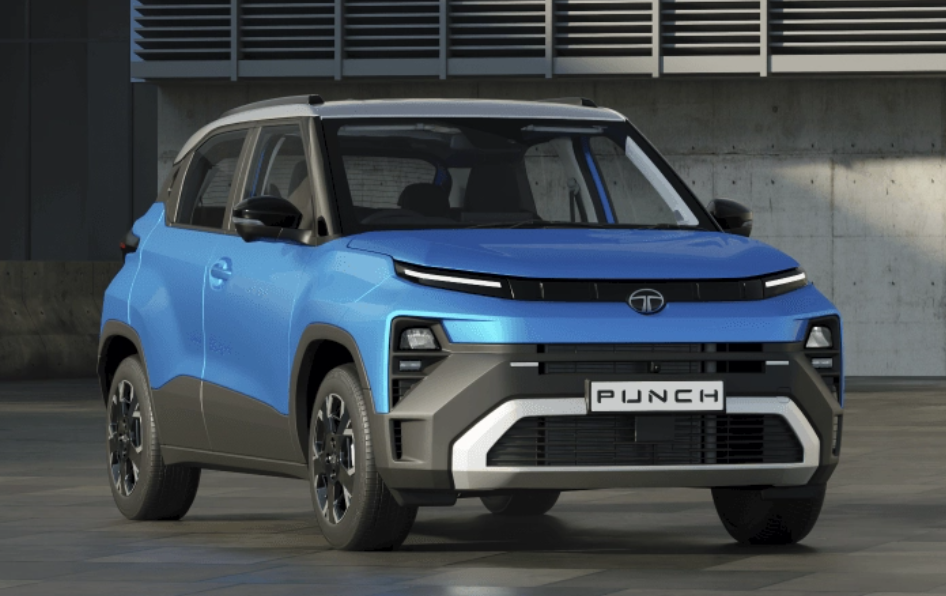
Chandra added that the automaker is technologically ready to bring flex-fuel products in the market and is already compliant with E20-blended fuel standards. Tata Motors during Auto Expo 2025 showcased Tata Punch flex fuel that ranges from E20 up to E100.
Alongside, the Maharashtra-based automaker is aiming for industry-beating growth in the ongoing fiscal year as it plans to ramp up capacities to meet demands from new launches.
Automaker’s revenue from operations grew 7.18 per cent YoY to ₹1,05,447 crore in Q4 FY26, supported by strong momentum in the second half aided by GST cut, growing electric vehicle volumes and new SUV launches. Its profit after tax (PAT) declined 31.72 per cent year-on-year to ₹5,783 crore.
Commodity prices remain key concerns
The company also flagged commodity inflation as a key challenge in the ongoing fiscal year due to the ongoing West Asia crisis. Commodity prices across steel, copper, rubber and petroleum-linked inputs have risen around 5 per cent in the recent months, leading to squeezed margins. In view of this, Chandra said, Tata Motors is planning to intensify cost minimisation actions including improved product mix along with selective pricing actions to balance inflationary pressures. “Price is something which we’ll be actively considering in the coming months. The idea would be to protect customers’ value equation where we can, act on pricing where we must,” Chandra said.
Industry-beating outlook
Despite the ongoing geopolitical uncertainties, the automaker has been resilient in sales in the first two months of FY27 and expects the industry to grow around 10 per cent yearly. Though Chandra cautioned that there might be a potential downside of 1-2 percentage points, depending on fuel price movements. Tata Motors aims for industry-beating growth in the ongoing fiscal year with strengthening supply chain resilience.
On the capex guidance, the company said it is in line with estimates. with the possibility of being marginally higher as the automaker pursues aggressive growth strategy. “Our Capex guidance is always between 6 to 8 per cent of our revenue… it can be 1 per cent higher,” he added.
EV volumes up
On the electric vehicle front, Tata Motors reported its highest ever retail and wholesale sales, with EV sales reaching 92,000 units last fiscal year, holding over 40 per cent market share. Key growth drivers were Harrier EV, Punch EV, Nexon EV and more.
The company also indicated a rapid rise in EV queries since March, driven by fuel price expectations and enhanced electrification drive in the industry. “Since March, we have seen a sharp jump in EV enquiries and bookings. The increase linked to the West Asia situation and related factors is around 25 to 30 per cent,” he added.