
 Renault is positioning hybrid technology as a key bridge between internal combustion engines and full electrification in India.
Renault is placing a strong bet on the Indian market, expecting it to emerge as one of its top three markets globally in the next two to three years.
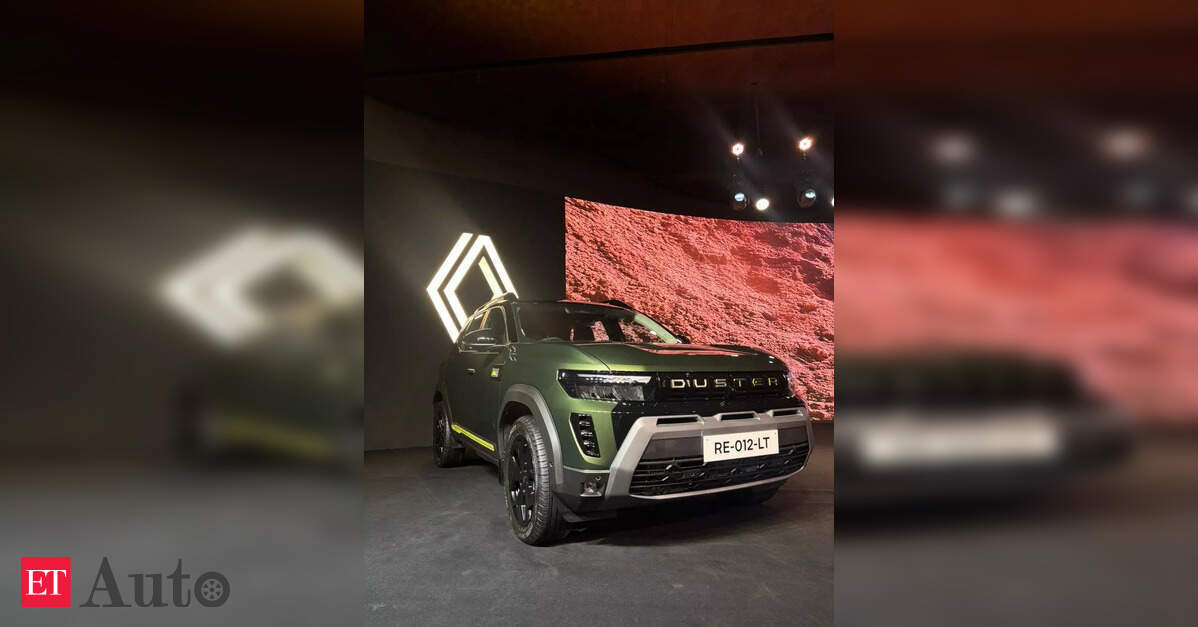
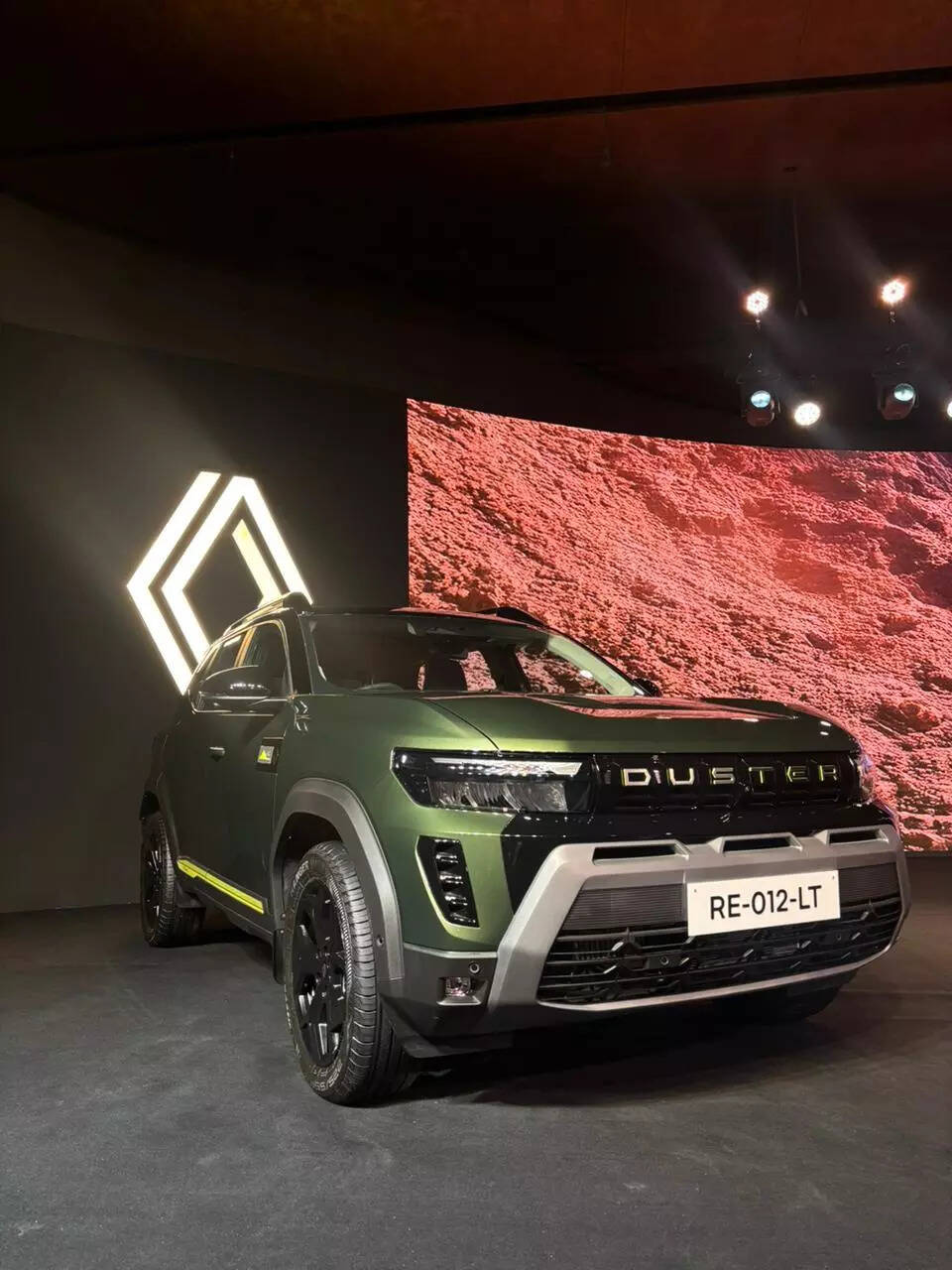
“India has the potential to be (amongst the) top five markets easily, hopefully, top three of the best-selling countries of Renault in the world in a matter of two or three years,” said Francisco Hidalgo, Vice President – Sales & Marketing, Renault India. He was speaking at the media interaction at the launch of new Duster with prices starting at ₹10.49 lakh (ex-showroom).
The French carmaker says its strategy is centred on offering higher powertrains at competitive prices while prioritising the domestic market before scaling exports.
“India is the focus. If we succeed here in cost, features and product, exports will follow naturally,” Hidalgo noted, adding that global markets have already shown interest in the new Duster, but domestic demand will be prioritised in the initial months following launch.
The company recently took full control of the facility, which has a capacity of nearly 500,000 units annually, compared with current production of around 200,000 units.
His statement assumes significance as it signals a renewed strategic push by Renault in a market where its presence has eroded in recent years, with market share slipping to under 1 per cent amid intensifying competition in the SUV segment.
In 2025, Renault sold 36,420 units in the country, with market share at 0.81 per cent, against roughly 4 per cent during its best-performing year in India, seen around 2016.
While declining to disclose specific targets for the Duster, Hidalgo indicated that Renault is targeting to increase its share to 3-5 per cent by the end of the decade. “We are at the beginning of a journey. The direction matters more than the speed,” he said.
The company is targeting a gradual increase in market share rather than immediate volume leadership in the competitive SUV segment. Hidalgo acknowledged that the company is re-entering a crowded market but said it aims to “disrupt” through differentiated offerings, including a seven-year warranty, a first for the brand in India.
Hybrid focus, EV readiness
Renault is also positioning hybrid technology as a key bridge between internal combustion engines and full electrification in India. The new Duster, built on a multi-energy platform, will initially focus on hybrid powertrains, with full electric vehicles to follow when market conditions are favourable.
“Hybrid is where we feel we can make the biggest difference,” Hidalgo said, noting that while electric vehicles account for roughly four per cent of the market, hybrids offer a more practical transition for customers moving away from diesel. He described hybrid as a “natural replacement” for diesel, particularly in urban driving conditions.
The platform underpinning the Duster is EV-ready, allowing Renault to introduce electric variants when demand strengthens.
In addition to electrification, Renault confirmed readiness for flex-fuel technology, drawing on its experience in markets such as Brazil. “We have all the technology. When the time comes, we can move quickly,” Hidalgo said.
The company’s emphasis on turbocharged petrol engines is unlikely to change either, even as demand for alternative fuels evolves. Hidalgo said that any future CNG offering would also be aligned with this philosophy. “Our strategy on petrol is on turbo. That is how we ensure our cars remain among the best to drive in the segment,” he said, hinting at the possibility of turbo-based CNG solutions without confirming timelines.
Turnaround gains traction
The company’s broader turnaround strategy appears to be gaining traction. Renault reported a 40 per cent increase in volumes following updates to its existing models, including the Renault Triber and Renault Kiger.
He also underlined the importance of regulatory clarity, particularly as the industry prepares for tighter emission norms. Renault, he said, is confident of meeting future requirements through a mix of hybrid, flex-fuel and electric technologies, without relying on a single powertrain solution.
With the Duster’s return, Renault is looking to revive a nameplate that once sold over 200,000 units in India, while using it as a springboard for a broader product offensive in the coming years.