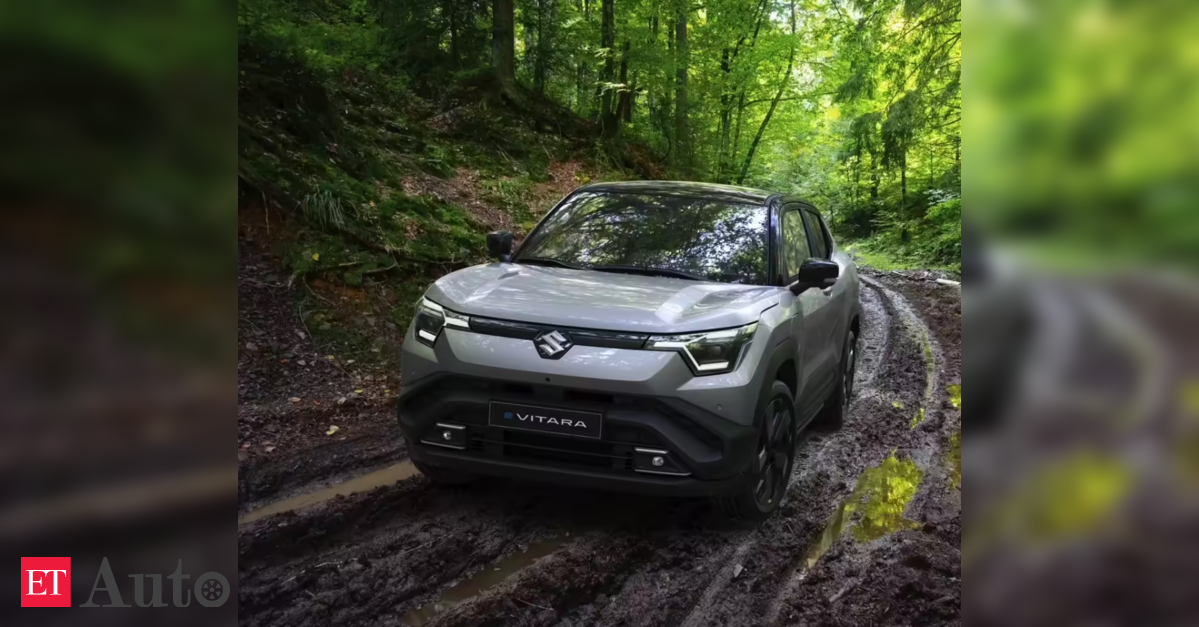

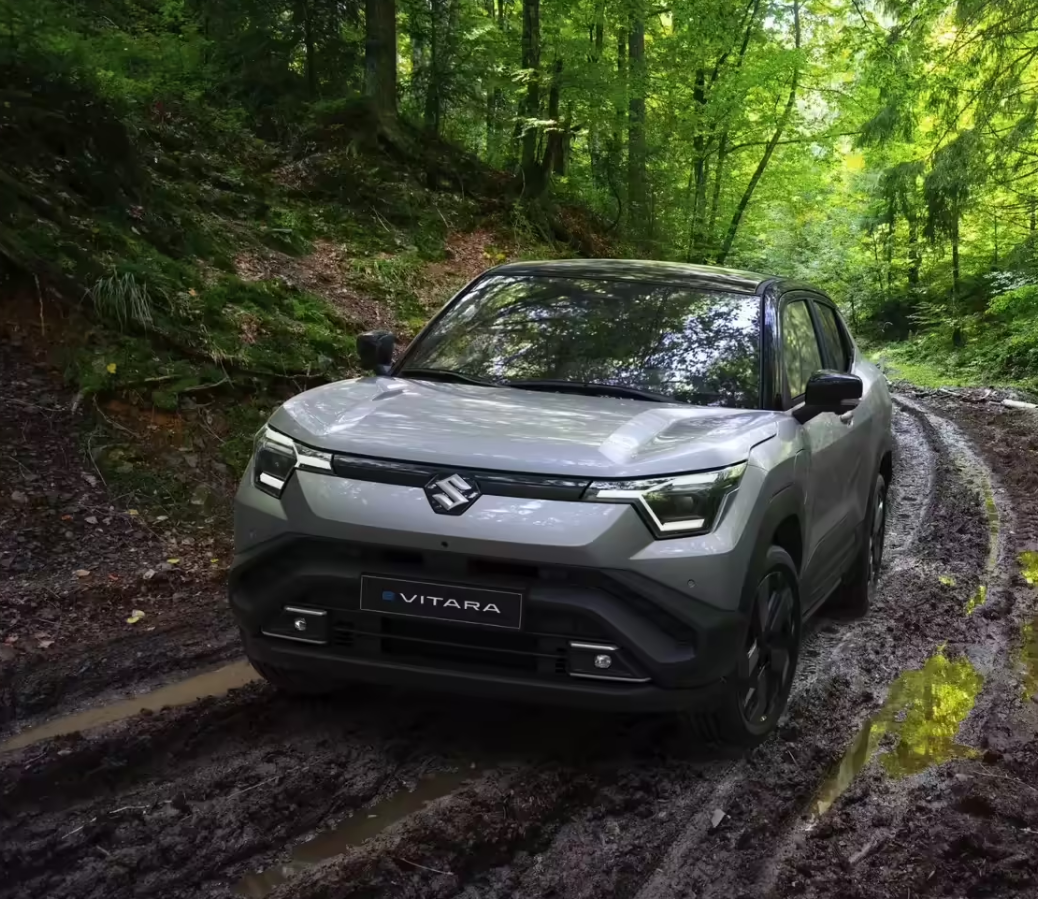
 Maruti Suzuki e Vitara
India’s passenger vehicle OEMs are trying a familiar but freshly packaged financial innovation to push electric vehicle adoption: Battery-as-a-Service (BaaS) model.
The model was first introduced in the mainstream PV space by JSW MG Motor India with the Windsor EV. And it is now being adopted by Maruti Suzuki India and Tata Motors.
Under BaaS, customers buy the vehicle without the battery and pay for the battery separately on a usage basis, typically calculated per kilometre over a pre-decided tenure. Since the battery accounts for nearly 40 per cent of an EV’s cost, removing it from the upfront price can dramatically alter the headline number.
It makes electric cars look significantly more affordable by lowering the upfront purchase price.
For instance, Maruti Suzuki’s e Vitara is positioned at around ₹10.99 lakh under the BaaS structure, nearly ₹5 lakh lower than the conventional ex-showroom price of ₹15.99 lakh.
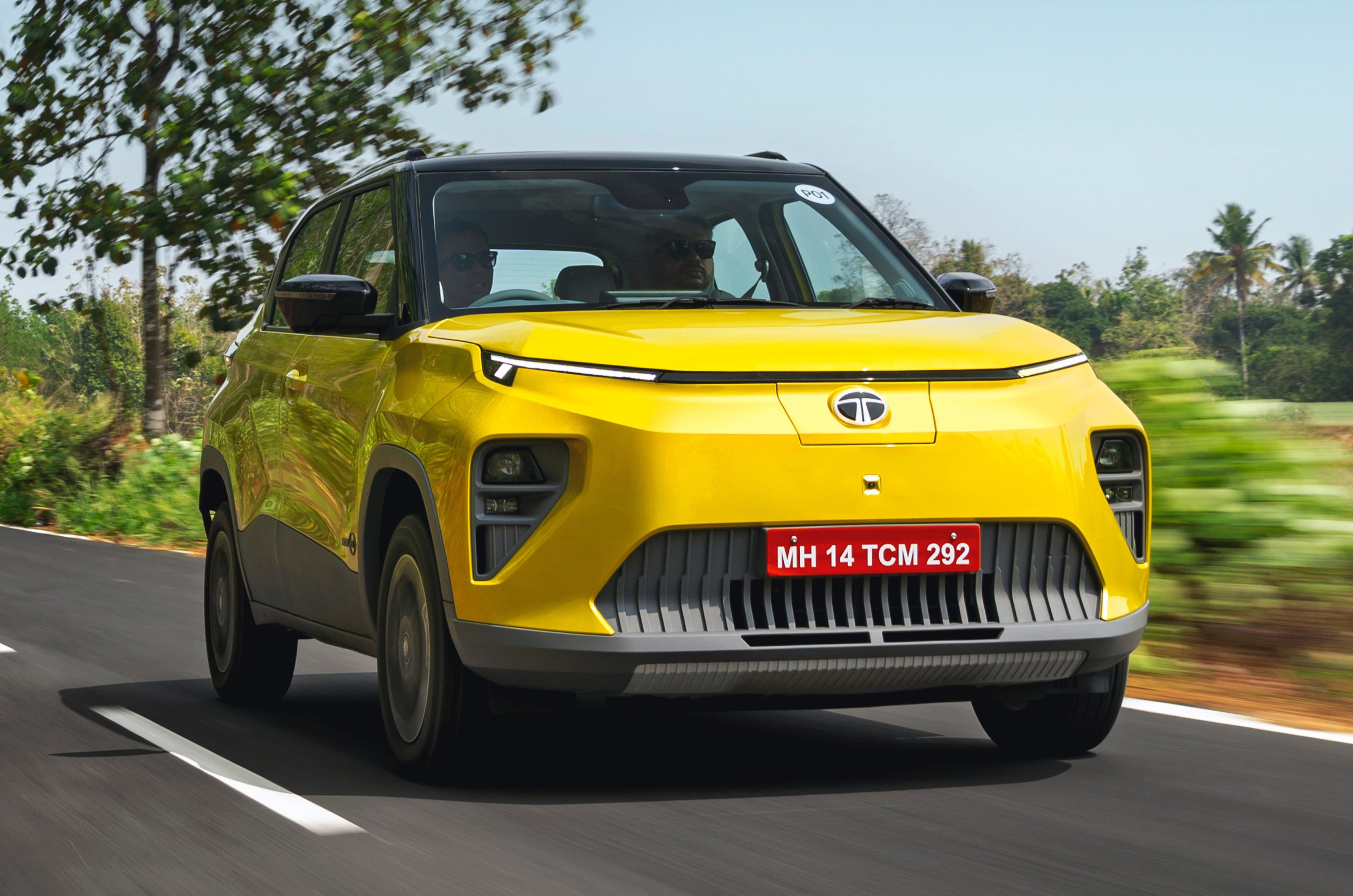
Similarly, Tata Punch EV is also being offered with a BaaS rental programme. Under this scheme, the Punch EV prices start at ₹6.49 lakh, and there’s a battery usage cost of as low as ₹2.6 per kilometre. Without the BaaS, it is priced between ₹9.69 lakh to ₹12.59 lakh. Amongst two-wheelers, Hero Vida too offers BaaS model.
But is this a structural shift or simply a pricing illusion?
A powerful customer acquisition tool
Industry experts see BaaS primarily as a marketing catalyst, which works as a powerful customer acquisition tool.
“BaaS is a very good marketing tool because it makes the headline price extremely attractive and pulls customers into the showroom,” said Puneet Gupta, Director, S&P Global Mobility.
In a highly price-sensitive market like India, the psychological difference between a ₹10–11 lakh entry point and a ₹15–16 lakh price band can create a difference and attract more footfalls in the showrooms to lure customers.
The strategy also aligns with regulatory compulsions. With tightening Corporate Average Fuel Efficiency (CAFE 3) norms on the horizon, battery electric vehicles will need to form a meaningful share of portfolios particularly for automakers that lack strong hybrid or CNG line-ups.
“BEVs will have to be an important part of every OEM’s portfolio…for some players, this is not optional,” said Gupta.
The double EMI dilemma
However, consumer math is not as simple as it seems. Under BaaS, buyers effectively commit to two outflows, one EMI for the vehicle and a separate payment for battery usage. “If you buy the MG Windsor under the BaaS model, you may end up paying ₹1 to ₹1.5 lakh more over time compared to a standard financing option,” an auto retail dealer told ETAuto, requesting anonymity.
While official adoption numbers remain undisclosed, industry estimates suggest that only a fraction of customers opt for the BaaS structure. In some dealerships, sales executives claim that nearly all customers prefer conventional financing instead.
“In our MG store, almost all customers choose to buy the full vehicle rather than go with BaaS,” said a salesperson.
The risk shifts to OEMs
Under BaaS structures where the battery ownership remains with the manufacturer or a financing arm, the liability sits with the OEM. That includes performance risks, residual value exposure and potential technology obsolescence.
“If product performance or resale weakens, the risk sits on the manufacturer’s books… every OEM would prefer to sell the product outright rather than keep that liability,” Gupta added.
Rapid battery technology evolution adds another layer of uncertainty. Improvements in energy density or pricing could make earlier battery packs less competitive, affecting long-term economics.
The road ahead
India’s EV penetration in passenger vehicles stood at 4 per cent in 2025, with 176,817 units sold during the period, according to FADA data.
In global markets such as Norway, China, Germany and the US, adoption accelerated after early thresholds were crossed but those transitions were supported by strong subsidies, financing options, charging infrastructure and policy stability.
In India, BaaS could help address one major barrier: high upfront cost. It also partially tackles concerns around battery life and replacement expense, especially when backed by established OEMs such as Maruti Suzuki and Tata Motors.
However, affordability is only one piece of the puzzle. Charging access, resale clarity, policy continuity and total cost transparency will determine whether such financial models can meaningfully shift demand.
Gupta is of the view that competitive dynamics may push more players to experiment with similar schemes. OEMs might also explore buyback guarantees, extended battery warranties, flexible EMIs, leasing formats and bundled service packages to reduce perceived EV risk.
For now, BaaS appears to be in its infancy mode–more an attention-grabbing lever than a mass-adoption engine. It remains to be seen how much confidence it inspires in the customers in the long term.