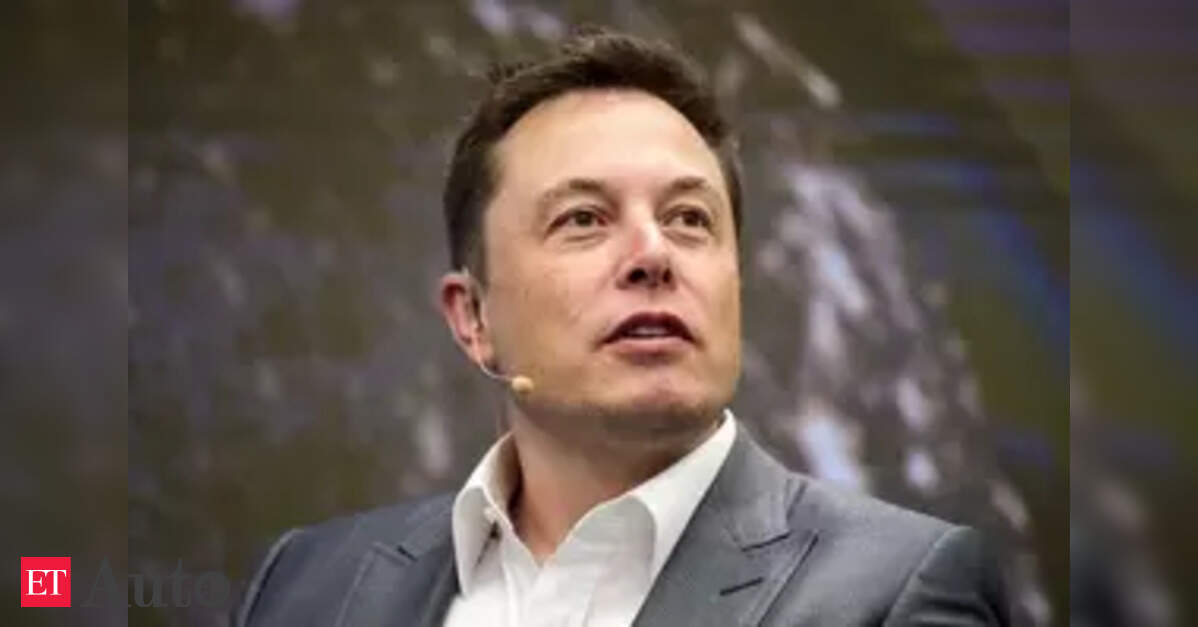

Over a decade ago, Elon Musk was openly dismissive when asked whether China’s BYD could ever pose a serious challenge to Tesla in the electric vehicle (EV) market.
“Have you seen their car?” Musk responded with a burst of laughter during a 2011 Bloomberg interview.
He added, “I don’t think they have a great product. I don’t think it’s particularly attractive. The technology is not very strong. And BYD as a company has pretty severe problems in their home turf in China. So I think their focus is, and rightly should be, on making sure they don’t die in China.”
At the time, Tesla was emerging as a high-end luxury electric vehicle manufacturer with ambitious global plans, while BYD was focused on affordable vehicles, plug-in hybrids and battery manufacturing—segments Musk viewed as technologically inferior and largely confined to China.
Now in 2025, and the tables have turned dramatically. China’s BYD has overtaken Tesla to become the world’s largest electric carmaker, marking a striking reversal in the global EV race.
BYD overtakes Tesla
Tesla lost its crown as the world’s bestselling electric vehicle maker on Friday as a customer revolt over Elon Musk’s right-wing politics, expiring US tax breaks for buyers and stiff overseas competition pushed sales down for a second year in a row. Tesla said that it delivered 1.64 million vehicles in 2025, down 9% from a year earlier. Chinese rival BYD, which sold 2.26 million vehicles last year, is now the biggest EV maker. It’s a stunning reversal for Musk who once dismissed BYD as a threat as Tesla’s rise seemed unstoppable, crushing traditional automakers with far more resources and helping make him the world’s richest man.
For the fourth quarter, sales totalled 418,227, falling short of the 440,000 that analysts polled by FactSet expected. The sales total was impacted by the expiration of a $7,500 tax credit that was phased out by the Trump administration at the end of Sept.
Even with multiple issues buffeting the company, investors are betting that Tesla CEO Musk can deliver on his ambitions to make Tesla a leader in robotaxi service and get consumers to embrace humanoid robots that can perform basic tasks in homes and offices. Reflecting that optimism, the stock finished 2025 with a gain of approximately 11%.