
 The number of available electric car models has doubled to around 20 over the past two fiscal years.
Electric passenger vehicle sales volumes are set to more than double to around 5 lakh units by next fiscal from about 2.2 lakh units in FY26,
Electric four-wheeler (E4W) sales in India are witnessing strong momentum, with average monthly volumes rising around 40 per cent to approximately 26,000 units during the three months ended May 2026, according to a report by Crisil Ratings. With this, market penetration is expected to rise to 8–10 per cent.
E4W penetration rose to 6.1 per cent during the three months through May, compared with the fiscal 2026 average of 4.6 per cent.
The rating agency said the recent increase in fuel prices amid geopolitical tensions in West Asia has improved the cost competitiveness of electric vehicles.
However, it stressed that the current growth trajectory is being driven primarily by structural factors, including improving total cost of ownership (TCO), expanding product portfolios and advances in battery technology.
“The reduction in goods and services tax (GST) on ICE vehicles during September 2025 temporarily narrowed the TCO advantage of E4Ws and moderated their growth for a few months. Nevertheless, their long-term growth trajectory remains intact,” said Manish Gupta, Senior Director and Deputy Chief Ratings Officer, Crisil Ratings.
The report highlighted that running costs of internal combustion engine (ICE) vehicles increased by 7–8 per cent in May due to higher fuel prices, improving the relative TCO advantage of electric vehicles by around 300 basis points.
Growth drivers
Crisil identified three key drivers supporting electric passenger vehicle adoption. First, the number of available electric car models has doubled to around 20 over the past two fiscal years. Several launches are planned in the sub-₹15 lakh segment by next fiscal, which could increase the model count to over 35.
Second, technological improvements are reducing range anxiety. Premium electric vehicles now offer driving ranges of 500–700 km on a single charge, while mid-range models deliver between 300 km and 450 km.
Third, longer battery warranties of eight to 10 years and new ownership models such as Battery-as-a-Service are helping address concerns around upfront costs and battery replacement.
The report noted that original equipment manufacturers (OEMs) are expected to invest aggressively in electric mobility over the next two years. Of the estimated ₹60,000 crore industry capex planned during this fiscal and next, more than 40 per cent is expected to be directed towards EV portfolio expansion, localisation of supply chains and scaling up production capacity.
“OEMs are stepping up EV-focused investments. Despite this, the credit profiles will remain resilient, given strong balance sheets and steady cash flows from existing ICE portfolios,” said Anand Kulkarni, Director, Crisil Ratings.
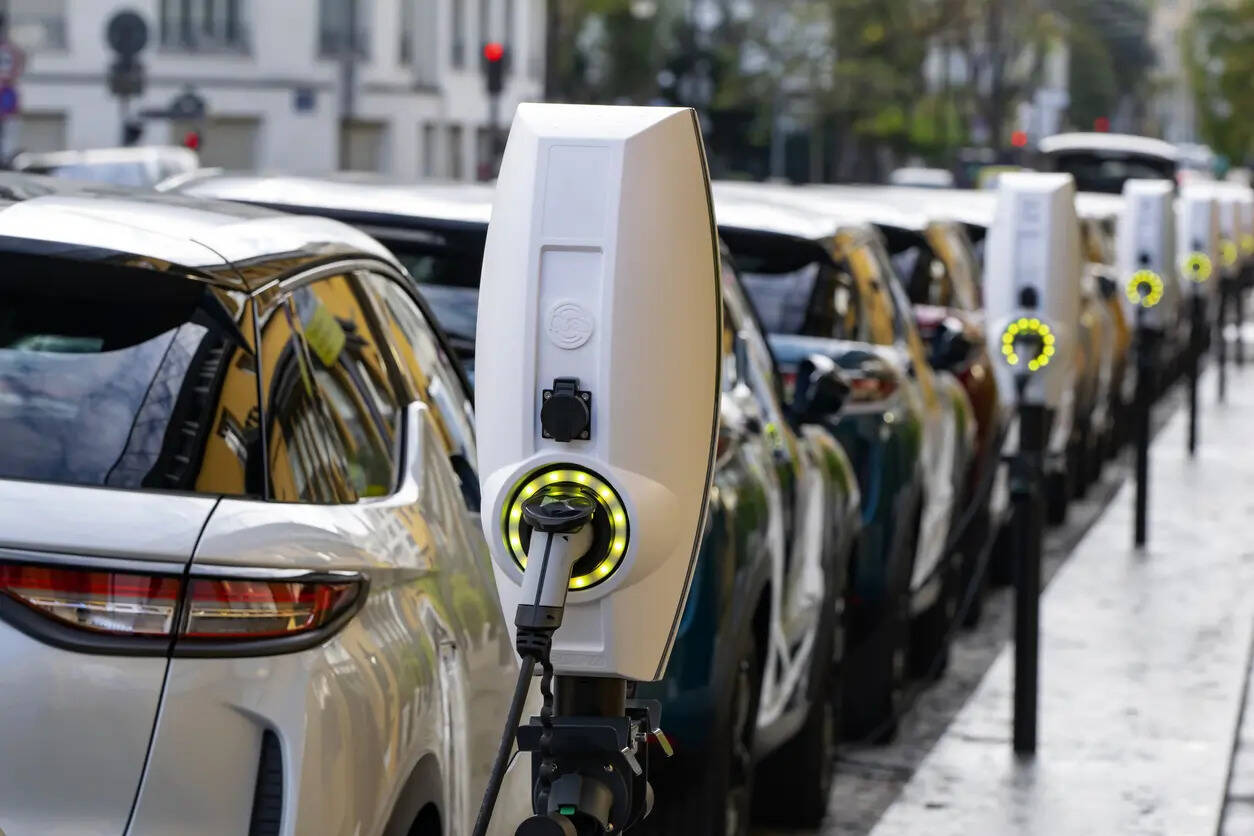
Crisil also pointed out that public charging infrastructure, though expanding rapidly, remains concentrated in urban areas. It added that proposed tighter Corporate Average Fuel Efficiency (CAFE) norms from next fiscal could further accelerate automakers’ EV strategies.