
 Nissan Patrol-like boldness.
“/>
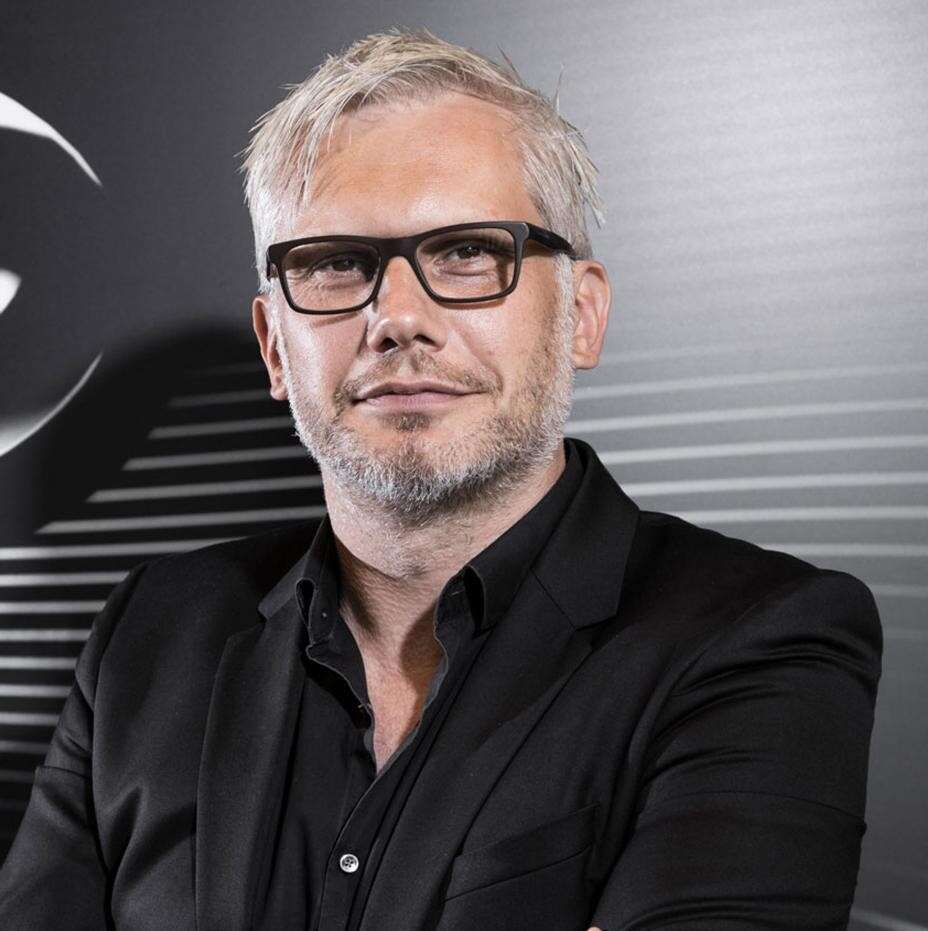
Matthew Weaver uses the coffee analogy to compare the Tekton and Patrol.
As the Senior Design Director of Nissan Motor Corporation told ET Auto, “You can have a very big coffee, a big Patrol something, and you could have a small coffee which would just be a C-segment crossover. But what is better than small coffee is a little espresso shot which is all the taste of that big coffee into one big punch.”
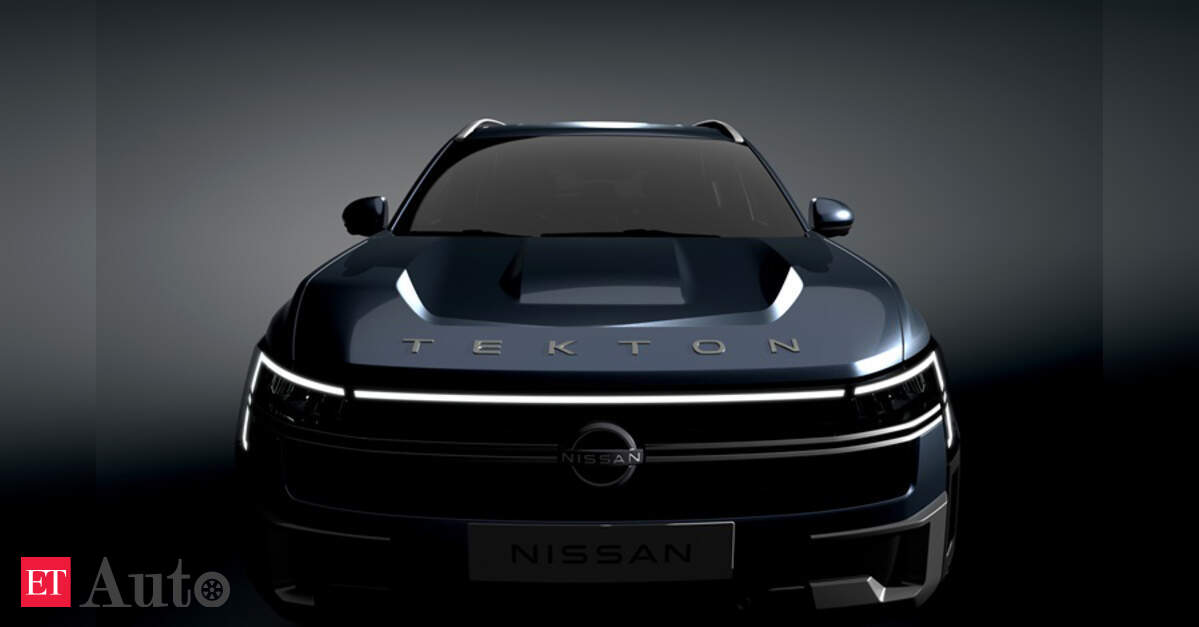
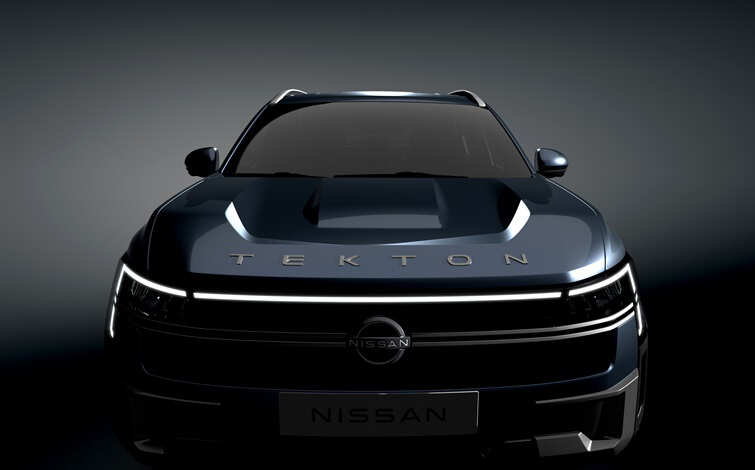
And that is what Tekton is, summed up Weaver. Born out of the Renault Duster platform, the recently launched SUV was designed across Nissan’s studios in Japan and Europe with the Patrol as the key creative influence for its muscular look.
During its unveiling in Mumbai, Tekton was described as a different animal — unique, muscular and beautiful — even while being a direct lineage from the Patrol. Many of the team members involved with Tekton had worked on the latest Patrol too.
“So the hands and minds which did that Patrol are the same designers, clay sculptors, technical guys and computer guys. So you have a physical lineage,” said Weaver.
It was actually a real big learning and we were amazed that we could put all this down into the C-segmentMatthew Weaver, Senior Design Director, Nissan Motor Corporation
King of the Desert
They also looked at what Patrol was and what it stood for. The SUV has a long heritage and is known across the world as the King of the Desert for its many capabilities. The challenge this time was to signify all the efforts that were put into Tekton visually. “We thought some of these elements from Patrol would be a great start,” he added.
For Tekton, the design team had to work with the regions, and this meant going outside “our common field of knowledge”. A lot of time was spent in India, the key market and a global hub for the new offering, which has already been earmarked for markets in West Asia and Africa.
Iterations were done almost every month, keeping the key regions in mind while taking in feedback and constantly verifying customer tastes and preferences. “We wanted to make sure it was right for all the regions and for us it was a lot of information and a lot of turnaround,” recalled Weaver.
It was eventually about “readjusting our taste”, though in a very positive way. The studio in London where Tekton was born had also worked on Patrol and many European products.
Array of colours
While the colour palette in that region is much more conservative, the Tekton team could not believe how far it could go for its earmarked markets across Asia and Africa. “For us, it was actually a real big learning and we were amazed that we could put all this down into the C-segment,” he said.
For the teams working behind the scenes, Tekton marks a culmination of many months and years of hard work.
“At a very basic level, it amazes me every time we turn just raw ideas, sketches and clay models into prototypes or engineering models and then somehow one day it turns up made of metal, glass and the real car,” grinned Weaver.
As a C-segment crossover, Tekton is really starting to “elevate the Nissan brand” in India and other regions. The role of an automobile designer has also changed, particularly when it comes to the amount of information that is now available to “all of us, all of the time”.
In this rapidly changing world, said Weaver, designers needed to be a lot more proactive, flexible and quick. Processes are also shortening now, and the target for completing a new programme is now set at under 30 months.
It is not calm but constantly moving and achieving. We feel that a more self-confident design is more prevalent in this countryMatthew Weaver
The SUV juggernaut rolls on
If SUVs are getting increasingly popular today, it is a result of buyers seeking out big attitude and super confident cars. India reflects this growing preference too, and Weaver said he found the ecosystem here very energetic.
“It is not calm but constantly moving and achieving. We feel that a more self-confident design is more prevalent in this country,” he added.
Weaver’s work also takes him to China almost every month since Nissan has a joint venture with Dongfeng.
He said China had virtually changed the automotive landscape across the world with its products and at the speed with which cars are brought into market. “We are learning everyday and must remember to be humble enough to listen,” he said.
However, he was of the view that the China styling does not necessarily fit in other regions and can actually be market-sensitive. “Chinese product styling is very clean and minimal with a tendency to focus on tech and detail,” said Weaver. The expressive levels of the car are actually slightly lesser in terms of styling.
Differing views on Chinese cars
As he explained, “They (Chinese) are much more in a kind of central area whereas we find people here and in other regions a little bit more experimental. They are willing to try and look for more uniqueness and their own identity in the car.”
While there are no two ways about the fact that the content in Chinese cars is “very impressive”, people in other regions do not deem it particularly necessary. They are more focused on “driving the capabilities” of the actual car in this environment.
Beyond this, other interesting dynamics are playing out in the auto arena. Post-COVID, customers are using cars in different ways, changing how designers are beginning to reconsider options.
“We run many streams of thought and at different speeds: one tomorrow, one is in five years and we actually moonshoot as well. We think about concepts where you have a fully autonomous car that is never going to crash,” said Weaver.
You have to reprogramme yourself to understand what an EV has to be… In the end, design is about problem-solving and we have to react and move the game onMatthew Weaver
Food for thought
Does this mean that bumpers will become irrelevant in the future? Will the role of windscreens change with people not looking forward but looking somewhere else, perhaps? Where are you sitting in the car? Are you facing someone and losing your personal space?
“So these are the questions we are really looking for in the future and they are already filtering back into the cars of tomorrow,” he continued.
As for hiring new kinds of talent in the design stream, he believes that when there is a structure where everyone works perfectly, there is a tendency to keep repeating and doing the same thing. However, a different input will guarantee a different output.
“Now why I am saying that is because we are looking at different disciplines to hire non-traditional automotive guys for our UI/UX systems,” he explained.
Being a “fully international” entity, diversity is key for Nissan. Though Japan by itself is an ageing society, it brings wisdom and knowledge to the table.
Design in the EV era
Does the new era of electric cars pose new challenges to designers like Weaver? How does one start designing an EV that still looks like a Nissan with all the relevant features customers want?
“You have to reprogramme yourself to understand what an EV has to be and what is expected and what an ICE car is. In the end, design is about problem-solving and if something comes along, we have to react and move the game on,” he replied.
The bottom line is to ensure more diversity for customers and have a palette of cars with different transmissions, drivetrains and looks while still staying unified in one family.
On the subject of artificial intelligence, Weaver reiterated that it was a welcome addition to the design process.
“We have guys that still sketch with a pencil and those that just prompt on AI and are getting good, individual, unique results and not just generic stuff. I am quite happy because everything is shifting and that is exciting for a designer,” he said.