- Any warning light that stays illuminated should be diagnosed by a service technician as soon as possible rather than ignored.

Modern dashboards pack more information than ever, but most drivers still ignore warning lights until the car stops running or a repair bill shows up. These are the most common warning lights found on Indian cars today and what they actually mean.



1. Engine Check Light
Icon: Engine symbol
This light indicates a fault in the engine management system. It can be triggered by issues related to sensors, fuel delivery, emissions control, or ignition components. If the light stays on constantly, the car can usually be driven carefully to a service centre. If it flashes, driving should be avoided as it may lead to engine damage.

2. Engine Coolant Temperature Warning
Icon: Thermometer in liquid
This warning appears when the engine temperature crosses safe limits. It usually points to overheating caused by coolant leaks, radiator fan failure, low coolant level, or severe traffic heat buildup. The car should be stopped immediately to prevent engine damage. Driving further with this warning active can lead to severe engine damage.

3. Battery / Charging System Warning
Icon: Battery symbol
This light indicates a fault in the vehicle’s charging system rather than just the battery. It usually means the alternator is not supplying power correctly or the battery is no longer charging. Common causes include worn alternator belts, alternator failure, or ageing batteries. Once this light appears, the car will continue to run only until the battery drains.
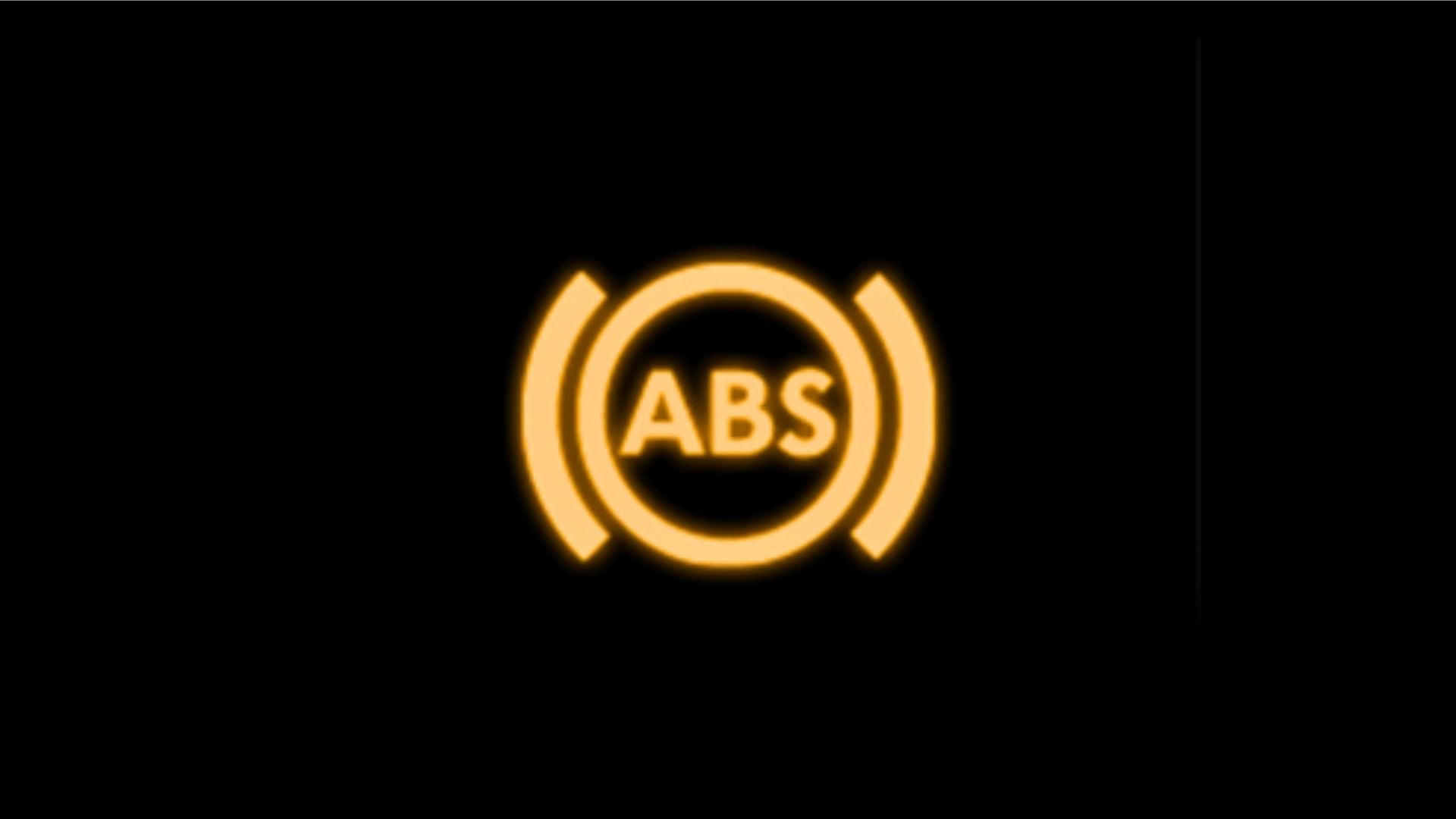
4. ABS Warning Light
Icon: “ABS” inside a circle
This warning indicates a malfunction in the anti-lock braking system. It does not mean the brakes have failed; standard braking remains functional, but the ABS safety function is disabled. Sensor damage from dust, water or mud buildup is one of the most frequent triggers.

5. Tyre Pressure Monitoring System (TPMS)
Icon: Flat tyre outline with exclamation mark
The TPMS light comes on when one or more tyres fall below their recommended air pressure. This can be caused by slow punctures, temperature changes, or uneven pressure loss over time. Ignoring this reduces fuel efficiency, worsens tyre wear and increases the risk of a blowout.

6. Airbag Warning
Icon: Person seated with airbag circle
This indicates a fault in the airbag or seatbelt pretensioner system. Wiring issues, sensor malfunctions or loose connectors, particularly under seats, are common reasons. When this light stays on, airbags may not deploy in an accident.
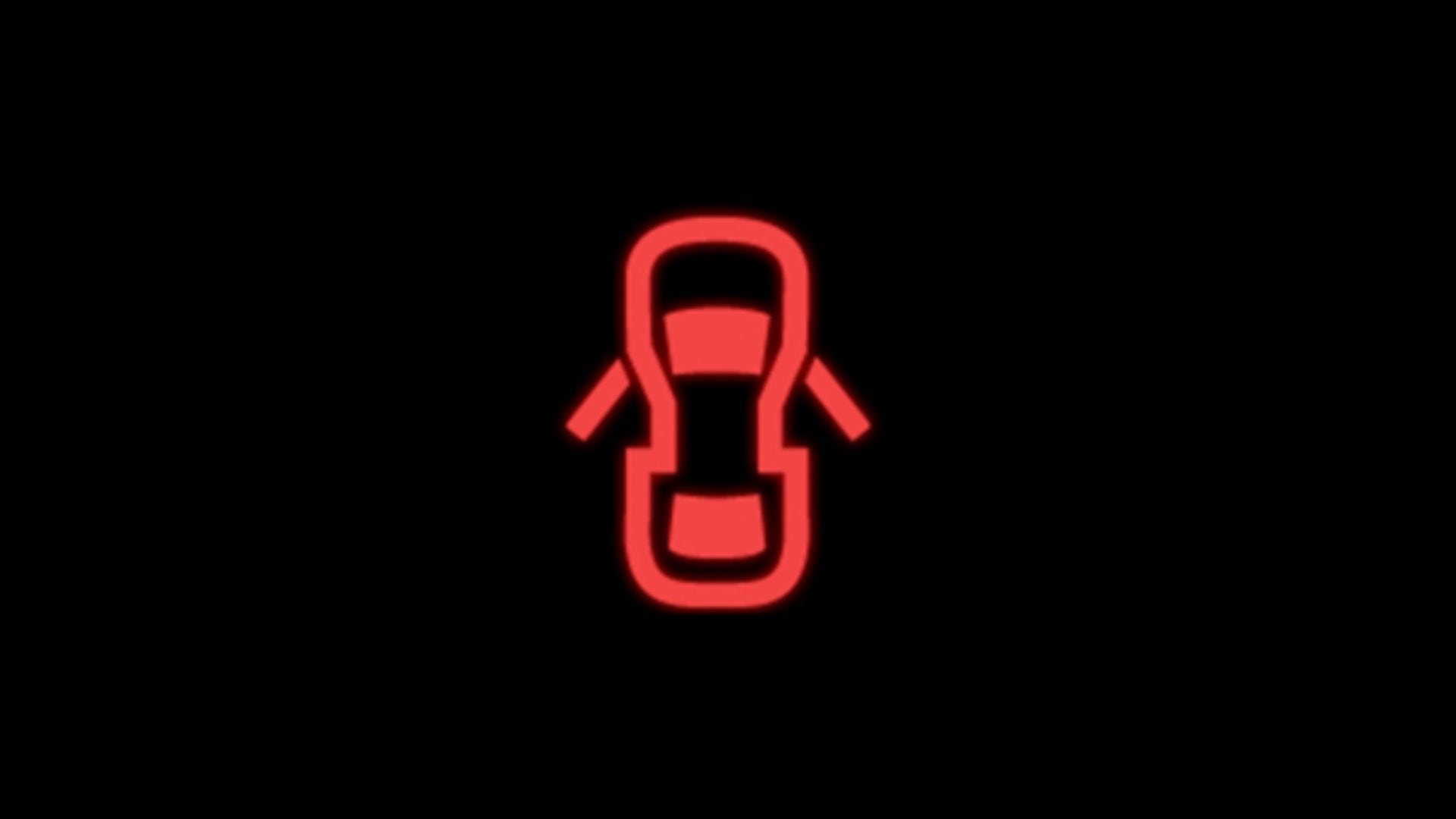
7. Door Open Warning
Icon: Vehicle graphic showing open doors or boot
This light activates when any door, bonnet or boot is not fully closed. It is common for most modern cars sold in India that use latch sensors. Driving with this warning active is unsafe, especially at highway speeds.
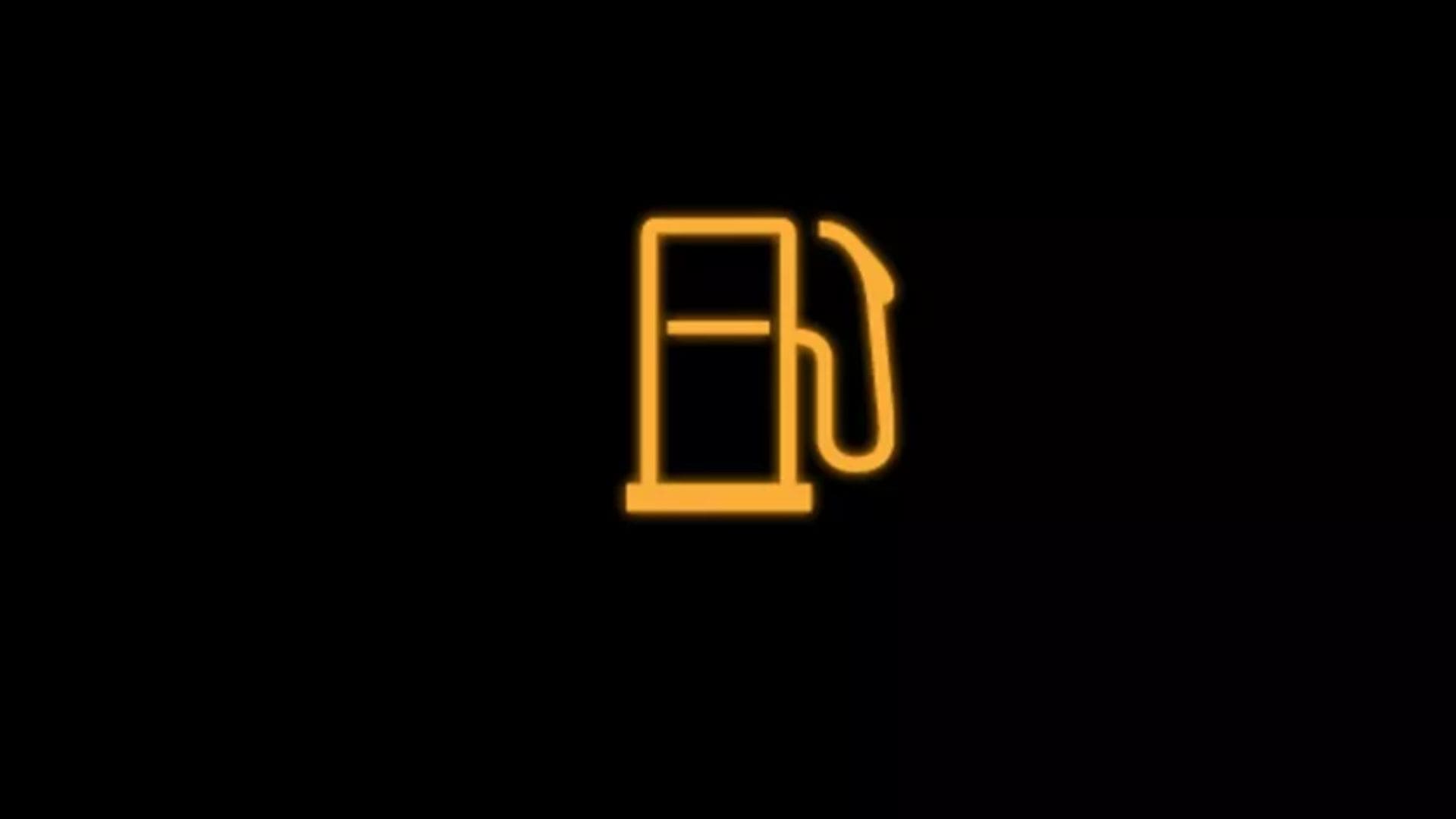
8. Low Fuel Warning
Icon: Fuel pump symbol
This warning appears when fuel drops to reserve level, generally leaving 5–10 litres depending on the car. Driving until empty can damage the fuel pump and allow sediment from the tank bottom to enter the fuel system.

9. Traction Control Warning
Icon: Skidding car symbol
This light illuminates when the traction control system is actively preventing wheel slip, commonly in rain, loose gravel or uneven road conditions. If the light stays on continuously, it may indicate a system malfunction that requires inspection.

10. Power Steering Warning
Icon: Steering wheel symbol
This warning indicates reduced or lost steering assistance in vehicles with electric or hydraulic power steering systems. The steering wheel becomes heavier, particularly at low speeds or while parking. The most frequent causes are motor controller faults, sensor issues or low steering fluid (on hydraulic systems).
Check out Upcoming Cars in India 2025, Best SUVs in India.
First Published Date: 08 Dec 2025, 13:13 pm IST