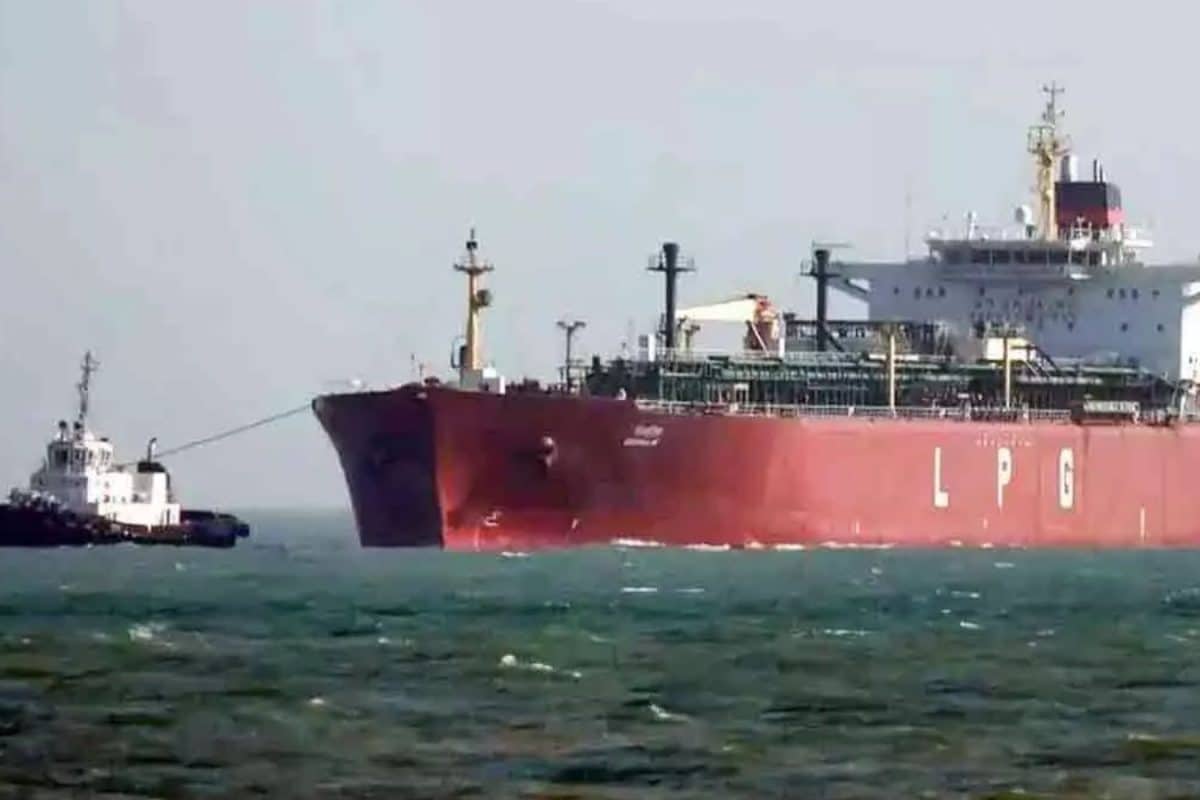
Global oil markets saw a breather on Friday, with prices easing after the United States hinted at a possible relaxation of restrictions on Iranian crude. The move comes even as global efforts intensify to safeguard critical shipping routes such as the Strait of Hormuz, a key artery for energy supplies.
The dip in prices offers temporary comfort to markets that have been grappling with sharp volatility in recent weeks, though underlying geopolitical tensions continue to keep traders cautious, reported IANS.
Sharp Rally Gives Way To Short-Term Correction
Oil prices had been on a strong upward trajectory, driven by escalating tensions in West Asia. Over the past three weeks, Brent crude surged nearly 40 per cent, rising from $77.74 on March 2 to $108.65 on March 19.
However, on Friday, that momentum paused. Brent crude futures dropped as much as 3.39 per cent to an intra-day low of $104.96 per barrel. US WTI crude futures also declined 3.22 per cent, touching an intra-day low of $92.47.
The pullback reflects a shift in sentiment rather than a structural change in supply dynamics, with markets reacting quickly to policy signals.
US Move On Iranian Oil Alters Sentiment
The immediate trigger for the decline came from fresh comments by US Treasury Secretary Scott Bessent.
Speaking to Fox Business Network, Bessent suggested that Washington could consider easing curbs on Iranian oil shipments already at sea. He indicated that around 140 million barrels of Iranian crude currently in transit could potentially be “unsanctioned” in the coming days.
He also pointed out that Iranian oil has continued to move out of the Gulf and hinted that the US may adopt a more flexible approach depending on how market conditions evolve.
Importantly, Bessent clarified that the US is not targeting Iran’s energy infrastructure and retains multiple policy tools to manage global supply.
Risk Premium Softens, But Uncertainty Persists
Market participants interpreted the comments as a sign that supply-side pressures may ease in the near term, leading to a reduction in the geopolitical risk premium embedded in oil prices.
Analysts noted that fears of immediate disruptions to Iranian energy facilities have moderated slightly, contributing to the recent cooling in prices. That said, the broader situation remains fragile. Any escalation involving key production or shipping hubs could quickly reverse the trend and push prices higher again.
Implications For India: Pressure Still Lingers
For India, the recent dip in oil prices provides some respite, but the broader challenge remains intact. As a major importer of crude, the country remains exposed to fluctuations in global energy prices.
Even after the correction, oil prices are still significantly higher than earlier levels, which continues to strain the import bill and weigh on the rupee.
Higher energy costs also tend to feed into inflation, affecting transportation, manufacturing and household expenses.
Domestic And Global Markets
Equity markets in India responded positively to the easing in oil prices and improving global cues. The rebound suggests that investors welcomed the possibility of reduced cost pressures and a stabilising global backdrop, at least in the short term.
Despite the positive momentum in Indian markets, global equities continued to show divergence. Wall Street ended the previous session in the red, with the S&P 500 slipping 0.27 per cent and the Nasdaq falling 0.28 per cent. The mixed signals highlight that investors globally remain cautious, balancing hopes of easing tensions with the reality of ongoing geopolitical risks.
What Lies Ahead For Oil Markets
The recent dip in crude prices does not signal the end of volatility. Instead, it reflects how sensitive oil markets are to policy cues and geopolitical developments.
Much will depend on how the situation in West Asia unfolds, particularly around energy infrastructure and key shipping routes.