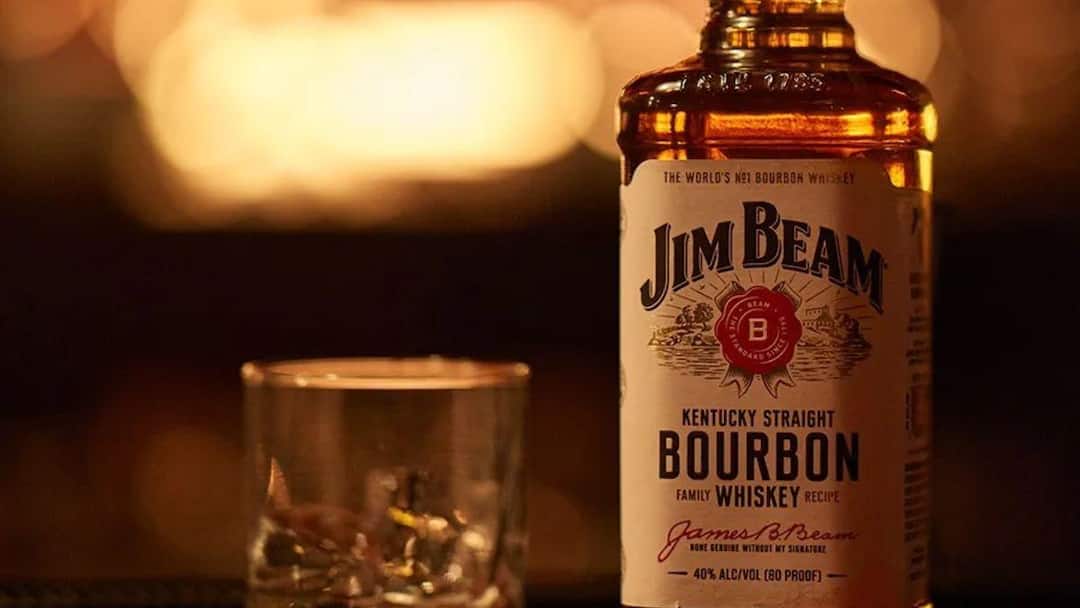

The maker of Jim Beam bourbon has announced a year-long pause in production at its flagship distillery in Kentucky, a move that reflects deeper shifts underway in the global spirits market.
The decision comes as US bourbon producers grapple with swollen inventories, uneven international demand, and the lingering effects of global trade tensions.
In a statement, Jim Beam said operations at its main Kentucky distillery will be halted throughout 2026. The company stressed that the pause is not a shutdown but a strategic break that will allow it to invest in upgrades and improvements at the historic site, reported India Today.
“We are always assessing production levels to best meet consumer demand and recently met with our team to discuss our volumes for 2026,” the company said.
A Strategic Pause, Not a Retreat
Jim Beam clarified that the production halt follows a review of future demand rather than any intention to scale back its presence in Kentucky. The distillery’s closure is temporary, and the company said it remains fully committed to the state, which has long been the heart of bourbon production.
The brand is owned by Suntory Global Spirits, the Japanese drinks group that employs more than 1,000 people across its Kentucky operations. Other facilities in the state will continue to operate as normal, including a separate distillery, bottling plants and warehousing units. Importantly for tourism, the Jim Beam visitor centre will remain open during the production pause.
Workforce Talks Under Way
While production will be suspended, the company said it is still reviewing how best to deploy its workforce during the year-long halt. Discussions are underway with the workers’ union to determine next steps for employees affected by the decision.
The announcement has drawn attention to the broader pressures facing Kentucky’s bourbon industry, which has expanded rapidly over the past decade in anticipation of rising global demand.
Record Stockpiles Weigh on Distillers
Bourbon makers across the state are struggling with excess supply. In October, the Kentucky Distillers’ Association said bourbon inventories stored in warehouses had climbed to a record high of more than 16 million barrels. These barrels are subject to state taxation, adding a significant financial burden for producers.
According to the association, taxes on stored bourbon have cost distillers around $75m, or roughly Rs 6,200 crore, this year alone. The group has described these costs as “crushing” for the industry, particularly at a time when sales growth has slowed.
Trade Tensions Add to the Strain
Global trade frictions have further complicated the outlook. US distillers have been hit by retaliatory import taxes following wide-ranging tariffs announced by US President Donald Trump in April under what he termed “Liberation Day”. These measures prompted several trading partners to impose duties on American goods, including alcohol.
Canada has emerged as a particular challenge. Earlier this year, most Canadian provinces stopped purchasing American spirits as part of a boycott, dealing a blow to exports for US bourbon makers.
The Kentucky Distillers’ Association has warned that much of the industry’s expansion over the past decade was built on expectations of strong international growth. It has called for a swift return to tariff-free trade, arguing that this would help stabilise demand and ease pressure on producers.
Jim Beam’s decision to pause production for a year highlights how even the biggest names in bourbon are recalibrating their strategies. While demand for the spirit remains resilient in the long term, the current imbalance between supply and demand has forced producers to slow output and rethink expansion plans.