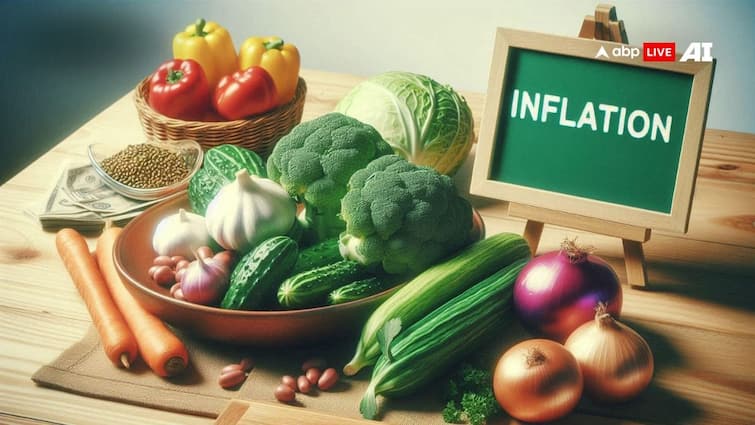

- Fitch predicts El Niño will persist until early 2027.
- This threatens global food output and increased inflation.
- High fertilizer costs amplify potential food inflation risks.
Just as governments and businesses grapple with rising energy costs and supply-chain disruptions linked to the West Asia conflict, another risk is gathering strength over the horizon: El Niño.
According to a new assessment by Fitch Ratings, the weather phenomenon is increasingly likely to persist into early 2027, raising concerns about agricultural output, food prices and inflation across several economies. For countries already navigating volatile commodity markets and elevated fertiliser costs, the climate event could add another layer of economic uncertainty.
The warning comes at a time when global food systems are facing multiple pressures, from geopolitical tensions to rising input costs, making weather-related disruptions particularly significant for policymakers and consumers alike.
What Is El Niño And Why Does It Matter?
El Niño is a naturally occurring climate pattern that can dramatically alter weather conditions across the world.
Typically, it brings drier-than-normal conditions to some regions while causing excessive rainfall in others. These shifts can affect agricultural production, water availability, food supplies and economic activity.
While some countries may benefit from increased rainfall and improved crop yields, others could face droughts, lower agricultural output and higher food prices.
The economic consequences often extend far beyond farms, influencing inflation, government finances and broader growth prospects.
Fitch Sees Rising Risks Through Early 2027
Fitch Ratings said the likelihood of El Niño continuing into early 2027 has increased, raising the possibility of economic disruptions across a range of sovereign economies, reported ANI.
“The formation of an El Niño weather phenomenon that is set to persist into early 2027 raises the risk of economic disruption in a range of sovereigns,” the ratings agency said.
According to Fitch, the greatest risks are likely to be felt by lower-rated sovereigns, particularly those in the “B” category or below, where access to capital markets is limited and public finances can come under strain more quickly during periods of crisis.
Environmental conditions that weaken agricultural production or economic activity could place additional pressure on already fragile economies.
ALSO READ : NSE Files DRHP For Rs 30,000 Crore IPO, India’s Biggest Listing May Be Next
Why Food Inflation Could Become The Bigger Story
The concern is not merely about rainfall patterns.
Fitch noted that global crop yields are already facing uncertainty because fertiliser prices have risen amid supply disruptions linked to the ongoing US-Iran conflict.
Against this backdrop, a prolonged El Niño event could further tighten food supplies and increase pressure on globally traded agricultural commodities.
“Global crop yields already face uncertainty due to higher fertiliser prices on supply disruption associated with the US-Iran war. Sustained shortages could amplify risks to globally traded food commodity prices posed by an El Niño phenomenon, potentially affecting inflation prospects even in highly rated sovereigns,” Fitch said.
In simple terms, the combination of expensive fertilisers and adverse weather could make food costlier across multiple regions, feeding into broader inflation trends.
Could Sovereign Ratings Be Affected?
Fitch emphasised that it is unlikely to alter a country’s credit rating solely because of El Niño.
However, the agency cautioned that the indirect effects of the weather phenomenon could become significant if they materially weaken economic fundamentals.
If climate-related disruptions lead to slower economic growth, higher inflation, deteriorating public finances or pressure on foreign exchange reserves, sovereign credit profiles could come under stress.
“Fitch is unlikely to link rating actions directly to El Niño unless the effects are clearly reflected in credit metrics, but related environmental stresses could intensify fiscal, growth, inflation and external liquidity pressures for sovereigns that are more vulnerable,” the report said.
The warning is particularly relevant for economies that are heavily dependent on agriculture or have limited financial flexibility to absorb shocks.
Some Regions May Still Benefit
Not every economy faces a negative outcome.
Fitch noted that some regions could see benefits if changing weather patterns bring increased rainfall that supports farming activity.
Improved water availability and stronger crop yields could boost agricultural production and support food supplies in certain markets.
However, the overall global picture remains uncertain, with outcomes likely to vary significantly between countries and regions.
Also Read : Will June 19 Finally Bring A Jio IPO Timeline? Five Big Questions Facing Mukesh Ambani
A 96 Per Cent Chance Of Continuation
The latest projections from the US Climate Prediction Center suggest that the phenomenon is unlikely to fade anytime soon.
According to Fitch, projections released on June 8 indicate a 96 per cent probability that El Niño will continue through the December 2026-February 2027 period.
Such a high probability has prompted economists and policymakers to begin factoring potential climate-related disruptions into their outlooks for growth, inflation and commodity prices.
Why India Will Be Watching Closely
For India, the implications are particularly important.
Food inflation remains one of the most closely watched components of the inflation basket, and weather conditions continue to play a crucial role in agricultural output.
Any disruption to crop production can affect rural incomes, food supplies and household budgets. At the same time, higher global fertiliser prices could increase pressure on agricultural costs.
With global energy markets already facing uncertainty and food prices vulnerable to weather-related shocks, a prolonged El Niño could become a key factor shaping inflation and economic policy decisions over the coming year.