
 "US praises Lebanon for backing plan to disarm Hezbollah, envoy to discuss ceasefire with Israel")

The US envoy to Lebanon said Washington will negotiate a ceasefire with Israel after Beirut backed a US plan for Hezbollah’s disarmament. Hezbollah vowed defiance, raising fears of renewed instability amid Lebanon’s ongoing crisis.
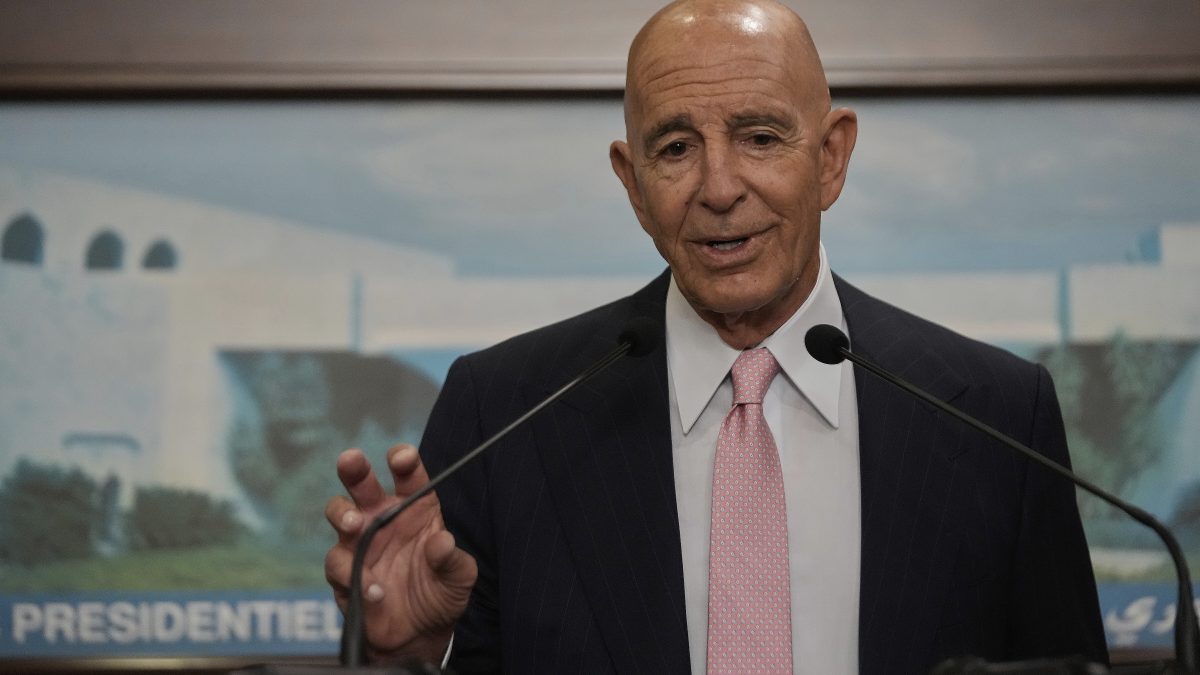
The US special envoy to Lebanon said Monday that his team will negotiate a long-term cease-fire with Israel after Beirut approved a US-backed proposal for the Hezbollah militant organisation to disarm.
Following a meeting with Lebanese President Joseph Aoun, Tom Barrack announced that Washington will seek an economic plan for the country’s post-war rebuilding, following months of shuttle diplomacy between the two countries.
Barrack is also scheduled to meet with Prime Minister Nawaf Salam and Speaker Nabih Berri, who frequently negotiates on behalf of Hezbollah with Washington.
“I think the Lebanese government has done their part. They’ve taken the first step,” said Barrack, who is also the US ambassador to Turkey. “Now what we need is for Israel to comply with that equal handshake.”
Lebanon’s decision last week to support a plan to disarm Hezbollah enraged the Iran-backed group and its allies, who believe Israel’s military should first withdraw from the five hilltops it has occupied in southern Lebanon since the end of its 14-month war with Hezbollah last November and cease launching almost daily airstrikes in the country.
Hezbollah’s secretary-general, Naim Kassem, has pledged to defy efforts to disarm the group, raising worries of civil instability in the nation.
Barrack told Hezbollah that it would have “missed an opportunity” if it would not support calls for disarmament.
Both Aoun and Salam want to disarm Hezbollah and other non-state armed organisations, and they have asked that Israel cease its attacks and leave from the nation.
Aoun said he wants to increase funding for Lebanon’s cash-strapped military to bolster its capacity. He also wants to raise money from international donors to help rebuild the country.
The World Bank estimates that Hezbollah and Israel’s monthslong war in late 2024 cost $11.1 billion in damages and economic losses as larges swaths of southern and eastern Lebanon were battered. The country has also faced a crippling economic crisis since 2019.
End of Article

&description=US+praises+Lebanon+for+backing+plan+to+disarm+Hezbollah%2C+envoy+to+discuss+ceasefire+with+Israel)