
Fresh tensions erupted along the Thailand–Cambodia border on Monday, pulling both nations back into a long-running territorial dispute that has simmered for decades. What began as isolated accusations quickly escalated into airstrikes, evacuations, and renewed fears that a fragile peace, held together since a U.S.-brokered truce in October, may again be slipping out of reach.
ALSO READ: ‘Direct, Less Cumbersome, Much Faster’: Trump Defends Tariff Strategy To Protect US National Security
Airstrikes Follow Claims Of Cross-Border Fire
Thai army on Monday morning launched airstrikes on a casino amid heavy clashes along the Thai-Cambodian border. pic.twitter.com/hvUdmFmBya
— Open Source Intel (@Osint613) December 8, 2025
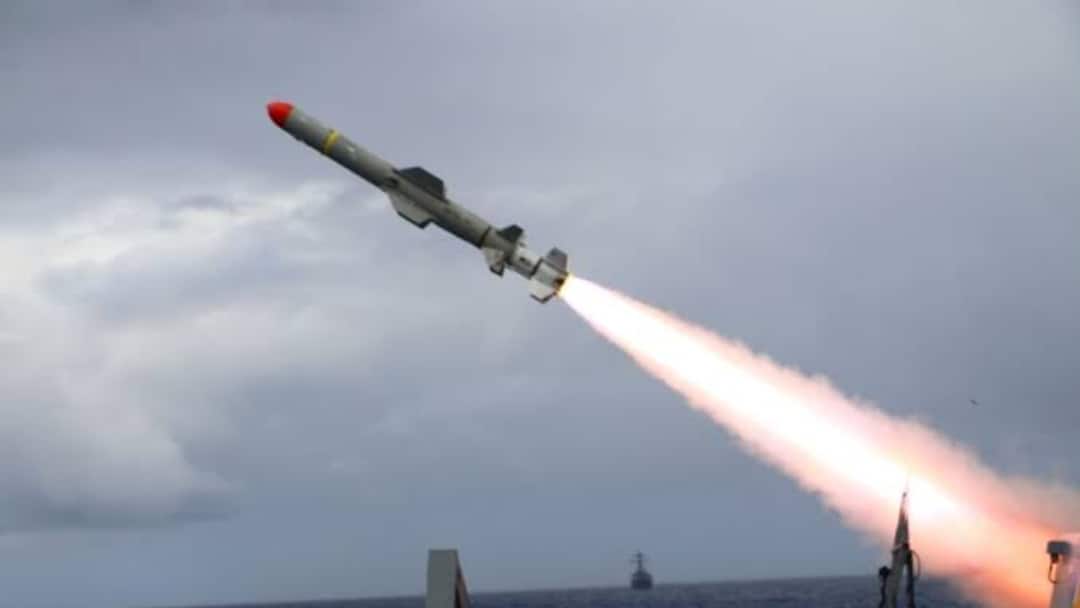
Thailand launched airstrikes along the disputed frontier after, according to Thai military officials, Cambodian troops opened fire into Thai territory across multiple locations. Maj. Gen. Winthai Suvaree confirmed that one Thai soldier was killed and four others were injured in the exchange, prompting authorities to move civilians out of vulnerable areas.
He said Thai aircraft were deployed to “strike military targets in several areas to suppress Cambodian supporting fire attacks,” adding that the response was necessary to protect Thai forces stationed near the border.
Cambodia, however, disputed Thailand’s account. Defense Ministry spokesperson Maly Socheata said Thai forces initiated Monday’s confrontation and asserted that Cambodian troops refrained from retaliatory fire during the initial barrage.
“Cambodia urges that Thailand immediately stop all hostile activities that threaten peace and stability in the region,” she said in a statement.
The rising tension also disrupted daily life along the border. Cambodia’s Education Ministry ordered several nearby schools to close. Images posted on the ministry’s Facebook page showed young students rushing out to meet their parents, some leaving on foot while others rode away on motorbikes.
Reignited Dispute Amid Fragile Ceasefire
Monday’s confrontation followed a brief firing incident on Sunday, during which both nations again accused each other of shooting first. The Thai army said two of its soldiers were wounded by Cambodian fire, leading to a 20-minute exchange. Cambodia rejected that version of events, claiming Thailand initiated the clash and that Cambodian forces did not return fire.
These confrontations come at a delicate time. The ceasefire brokered in October, pushed by then-U.S. President Donald Trump to halt five days of deadly clashes in July, was already under pressure. The agreement faltered last month after several Thai soldiers were injured by land mines, prompting Thailand to suspend its participation in the ceasefire implementation. Both sides continue to blame each other for the mine-related injuries, even though the agreement requires joint efforts to remove explosives from the border zone.
Trump had previously claimed in November that he helped prevent a war between the two nations, yet the latest violence signals ongoing instability.
Historic Dispute Continues To Haunt the Present
Tensions between Thailand and Cambodia are shaped by a history that stretches back centuries to when both were rival empires. In modern times, the dispute has centered on conflicting interpretations of a 1907 colonial-era map drawn while Cambodia was under French rule. Thailand has long argued that the map is flawed.
The International Court of Justice ruled in 1962 that Cambodia holds sovereignty over the area surrounding the ancient Preah Vihear temple, a decision that remains controversial in Thailand. The ruling did little to resolve the broader disagreement over where the border should lie, an issue the current ceasefire also leaves unaddressed.
As both nations exchange fresh accusations, the path to lasting peace remains uncertain, raising concerns that the border could again become a flashpoint in Southeast Asia.