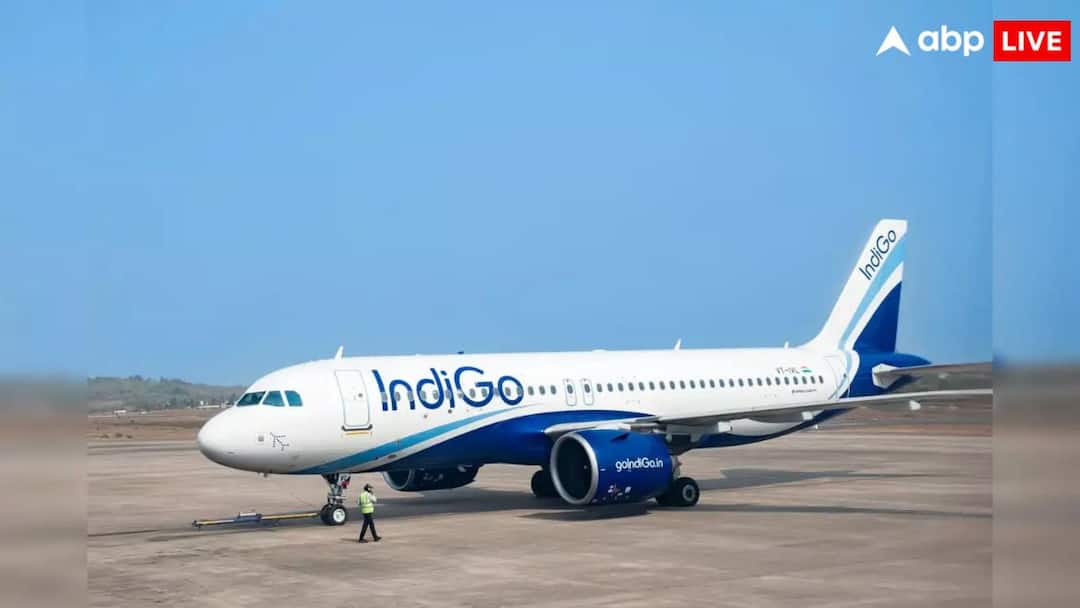
As IndiGo grapples with severe operational disruptions, two questions have dominated passenger conversations: why the airline continues selling tickets despite hundreds of daily cancellations, and why fares have soared even on heavily affected routes.
The explanation is straightforward, although the disruption is unprecedented, IndiGo has not suspended its entire schedule. The carrier operates more than 2,200 flights a day across domestic and international sectors, and only parts of this vast network have collapsed.
Partial Shutdown, Not a Total Grounding
The airline’s most critical breakdown emerged around specific airports and dates. Friday marked the peak of the crisis, with over 1,000 cancellations, including every domestic IndiGo departure from Delhi for the entire day.
While this segment of the network remains in emergency mode, other routes, such as Kolkata–Guwahati, Chennai–Coimbatore, and several non-metro links, continue to function. These services are operating at reduced frequencies and with delays, but they are still airborne.
Because the full network is not grounded, IndiGo continues to sell seats on flights it expects to operate over the coming days.
Why Cancellations Are Decided Only a Day or Two Ahead
Airlines generally avoid cancelling flights weeks ahead unless they are shutting down entirely. IndiGo’s current strategy is to manage cancellations on a rolling basis. This means a flight operating today might be scrapped, but another scheduled two or three days later remains available for booking in the expectation that operations will stabilise.
The airline described Friday’s cancellations as part of a “system reboot”, aimed at repositioning aircraft and crew to restore normal schedules. IndiGo has indicated that operations should gradually improve, with aims to return close to normal between 10 and 15 December.
Dynamic Pricing Sends Airfares Into the Stratosphere
IndiGo commands more than 60 per cent of India’s domestic aviation market. So when large numbers of its flights are cancelled, the total seat capacity across all airlines shrinks dramatically — but demand holds firm.
That imbalance triggers the dynamic pricing algorithms used by airlines and ticketing platforms, causing fares to skyrocket.
In the past 24 hours, fares surged to astonishing levels:
- Delhi–Mumbai one-way tickets hit ₹50,000, with return fares nudging ₹60,000.
- Delhi–Bengaluru prices climbed as high as ₹1 lakh, depending on connections.
- Bengaluru–Mumbai tickets, usually capped around ₹7,000, shot up to ₹40,000.
The situation became so extreme that flying from Delhi to London was, in many cases, cheaper.
This raises a serious question: should dynamic pricing algorithms be disabled during crises to shield already-stressed travellers from exorbitant fares?
Why Flights Still Show Seats Even If They Later Get Cancelled
During periods of disruption, airlines often keep flights open for booking until crew rosters or aircraft rotations definitively fail. Only then is a flight officially marked as cancelled.
This is standard practice worldwide. The system keeps future services open unless there is certainty they cannot operate. IndiGo would only halt all ticket sales if the airline were to voluntarily ground itself or if regulators ordered a complete suspension, neither of which has happened.
What Passengers Should Do Now
Travellers are strongly advised to:
- Check flight status before heading to the airport.
- Arrive early, even if the flight is confirmed.
- Expect elevated fares across airlines until capacity returns to normal.
IndiGo has said improvements should begin from Saturday, although full stabilisation may take until mid-December.