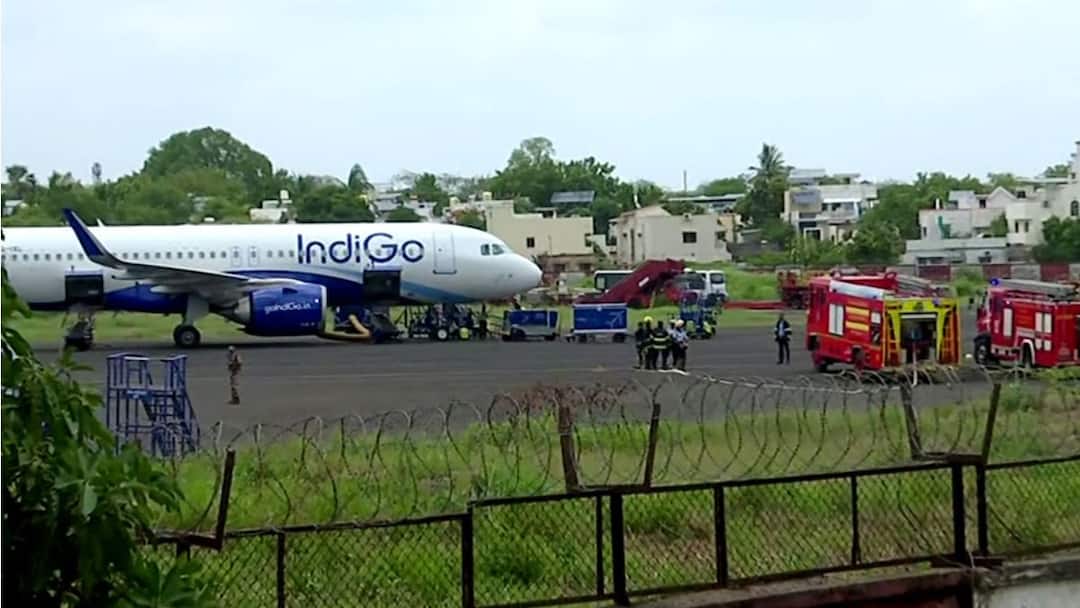

Angry confrontations at airline counters, long queues at terminals and stranded passengers spending the night at airports, chaos has gripped several airports across the country as IndiGo struggles to cope with a wave of flight delays and cancellations over the past two days. The disruptions have affected hundreds of services and left thousands of fliers uncertain about when they will finally reach their destinations.
As complaints and videos flood social media, the airline has attributed the breakdown to a mix of operational challenges. These include technology-related glitches, winter schedule changes, adverse weather, rising air traffic congestion and, most significantly, the implementation of new crew duty regulations by India’s aviation regulator.
What Triggered the Disruptions
IndiGo said the situation emerged due to a “multitude of unforeseen operational challenges”. While most of these factors are familiar to the aviation sector, industry experts point to the recent changes in crew duty norms as the primary trigger.
In January 2024, the Directorate General of Civil Aviation (DGCA) introduced sweeping revisions to Flight Duty Time Limitations to improve safety by ensuring greater rest for pilots and cabin crew. The updated rules extended weekly rest periods, redefined the duration of night duty by extending it by an hour, and capped both maximum duty hours and the number of night landings.
Under the revised framework, crew members can now operate only two night shifts in a roster period, compared with six earlier. As these rules came into force, airlines were forced to rework duty schedules. For many flights, crew availability no longer matched pre-planned rosters, triggering a chain of cancellations and delays.
Why IndiGo Has Been the Worst Affected
IndiGo’s scale of operations appears to have magnified the impact. According to its website, the airline operates more than 2,200 domestic and international flights every day, nearly double Air India’s daily volume. Even a disruption affecting 10 to 20 per cent of its network translates into 200 to 400 flights and an enormous passenger backlog.
The airline’s low-cost, high-frequency operating model has also come under scrutiny. IndiGo has traditionally depended on tight aircraft turnarounds and extensive overnight flying to maximise utilisation. These practices now clash with the stricter rest requirements under the DGCA’s new norms.
Pilot bodies have publicly questioned the airline’s preparedness. The Airline Pilots’ Association of India said airlines were given nearly two months to implement the revised rules but failed to recalibrate crew rosters in time. “Despite sufficient time being accorded, most airlines started preparing rather late, failing to properly adjust rosters 15 days in advance as required,” the association said, adding that the new norms do not necessarily require a larger number of pilots to maintain schedules.
In a separate letter to the DGCA, the Federation of Indian Pilots said the disruption was a direct outcome of what it described as IndiGo’s prolonged lean manpower strategy, particularly in flight operations.
Hundreds of Flights Cancelled, Passengers Left Stranded
More than 300 IndiGo flights have been cancelled over the past 48 hours, officials said, with around 100 more cancellations expected today. Hyderabad alone could see 33 affected flights, while Bengaluru may witness over 70 cancellations.
Passengers have reported spending hours, and in some cases entire nights, at airports with little clarity on alternative arrangements. “We have been at Hyderabad airport from yesterday at 6 pm until today at 9 am, over 12 hours, with no action taken regarding the Pune flight,” one flier posted online. Another accused the airline of repeatedly delaying flights in small increments to avoid providing accommodation. “They kept saying ‘just two more hours’ for 12 hours straight. Same excuse every time, crew is coming soon. It is unacceptable,” the post read.
Airline Says Normal Operations in 48 Hours
IndiGo has said it expects operations to stabilise within the next 48 hours after initiating what it called “calibrated adjustments” to contain the disruption. In a statement, the airline said its teams were working round the clock to reduce passenger inconvenience and restore schedules as quickly as possible. It also apologised to customers for the distress caused.