
 "<div>It pays to stand up to Donald: Jefferies analyst says time to buy India, not sell as ‘Trump will back off’</div>")

Jefferies strategist Christopher Wood says it’s “too late to cut India” as market nears historical valuation average, warns Trump’s foreign policy missteps are pushing Brics towards de-dollarisation
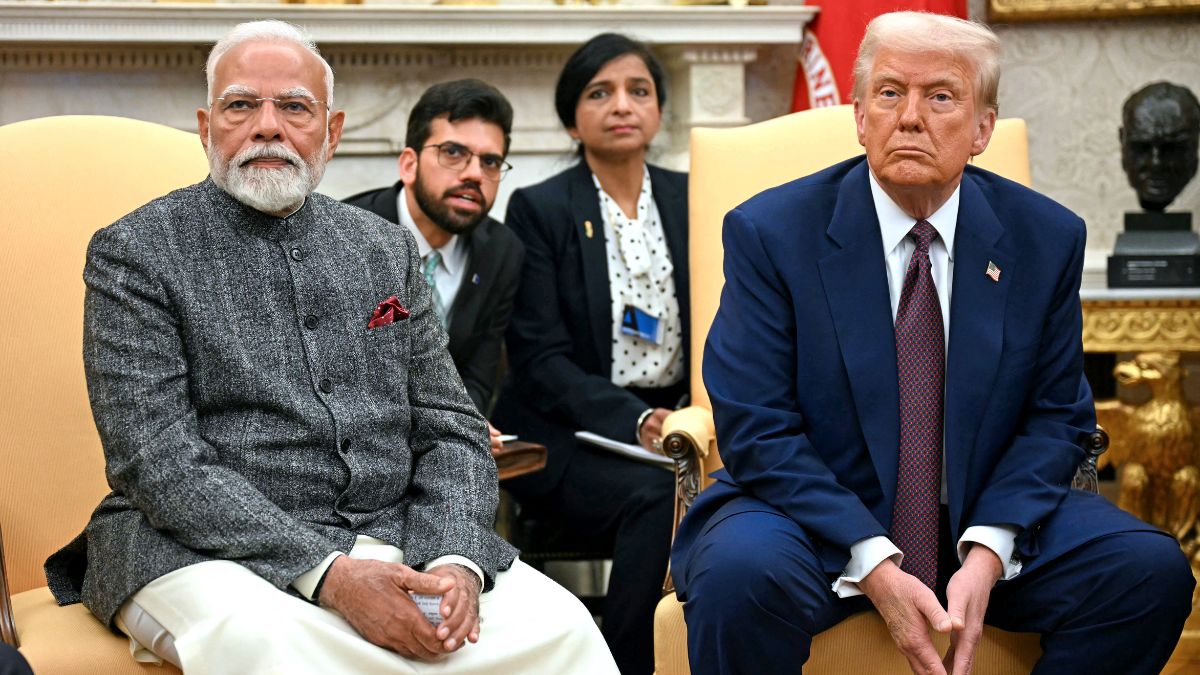
Christopher Wood, a prominent emerging markets strategist at global brokerage firm Jefferies, has advised that India should stand firm against US President Donald Trump’s pressure tactics on tariffs.
According to a Times of India report, citing his widely read newsletter titled Greed & Fear, he advised Jefferies’ clients to buy India, rather than sell, highlighting India as a resilient and promising investment opportunity under current conditions.
Wood also pointed to the broader implications of Trump’s increasingly confrontational trade stance with major global economies. He warned that this approach could accelerate a shift among BRICS nations — Brazil, Russia, India, China, and South Africa — towards de-dollarisation.
Wood said that Jefferies would not view the previously discussed 50% tariff on Indian imports to the US as a reason to sell Indian equities.
“Rather, it is probably a reason to buy them since Greed & Fear’s view is that it is only a matter of time before Trump backs off the stance, which is not in America’s interest,” he was quoted as saying.
“On this point, it is worth noting that the track record makes it clear that it pays to stand up to the Donald,” he added.
Wood noted that Jefferies has consistently maintained a bullish stance on India across its Greed & Fear portfolios, especially in its Asia ex-Japan long-only portfolio.
However, he acknowledged that a recent report from Jefferies India pointed out a significant setback: India has just experienced its worst period of underperformance in global emerging markets over the past 12 months, marking the sharpest decline in relative performance in the last 15 years.
“This is not a great surprise tactically, since Korea has ripped higher on value-up while Taiwan has of late been celebrating the massive capex spending by hyperscalers (the leading global tech companies currently on a spending binge). For India the problem has been high valuations and, most importantly, massive equity supply. This is why we have of late been running only a marginal overweight in India in the Asia Pacific ex-Japan relative-return portfolio,” Wood wrote in his newsletter.
Despite the recent underperformance, Jefferies India highlighted a noteworthy trend in its report: historically, the Indian market has often rebounded strongly on a relative basis following similar downturns.
“Or, in other words, that it is now too late to cut India with valuations now back near the 10-year average 63% PE (price-earnings) premium over emerging market peers,” Wood said. Wood.
The Jefferies strategist also commented on the renewed alignment among BRICS nations, suggesting it stems from a lack of coherent foreign policy direction in the United States.
“A major world power requires a clear conceptual framework to conduct effective foreign policy,” Wood said. “This is exactly what the current US administration lacks. The 47th president has no such framework—and no adviser who provides one either.”
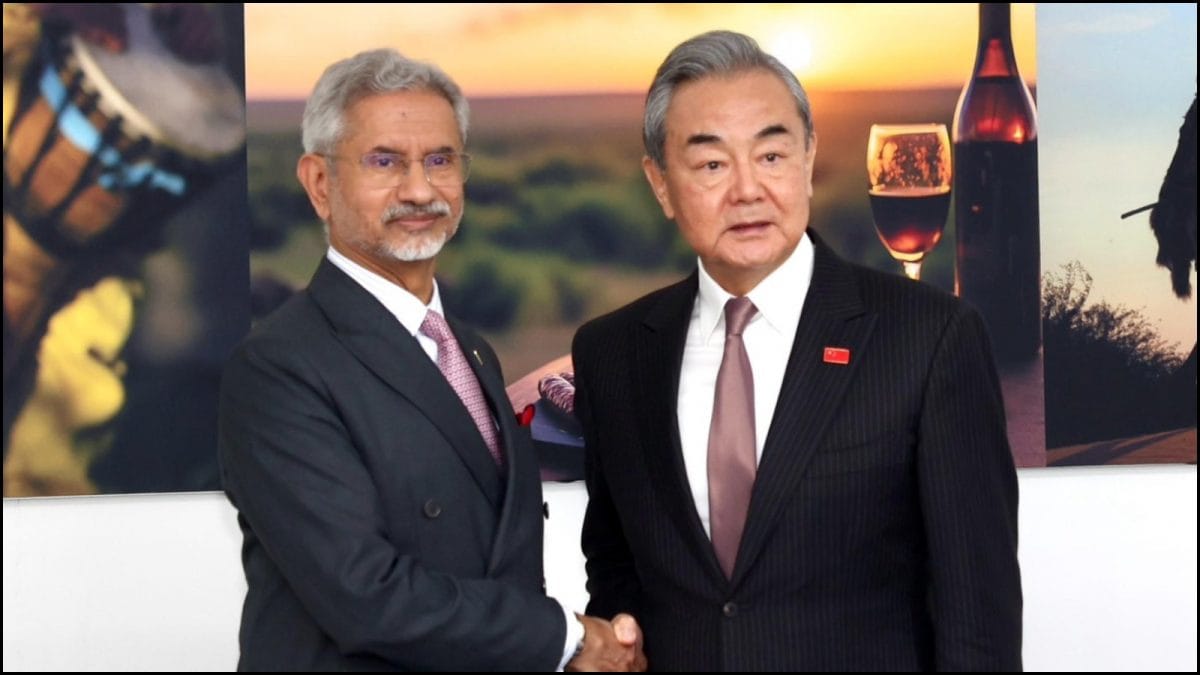
This has become only too starkly evident in the past several days as Trump has succeeded in bringing China, Russia, India and Brazil together like never before. Indeed, Brics as a grouping has been regalvanised,” he observed in the newsletter
With inputs from agencies
End of Article

&description=%E2%80%98It+pays+to+stand+up+to+Donald%E2%80%99%3A+Jefferies+analyst+says+time+to+buy+India%2C+not+sell+as+%E2%80%98Trump+will+back+off%E2%80%99)