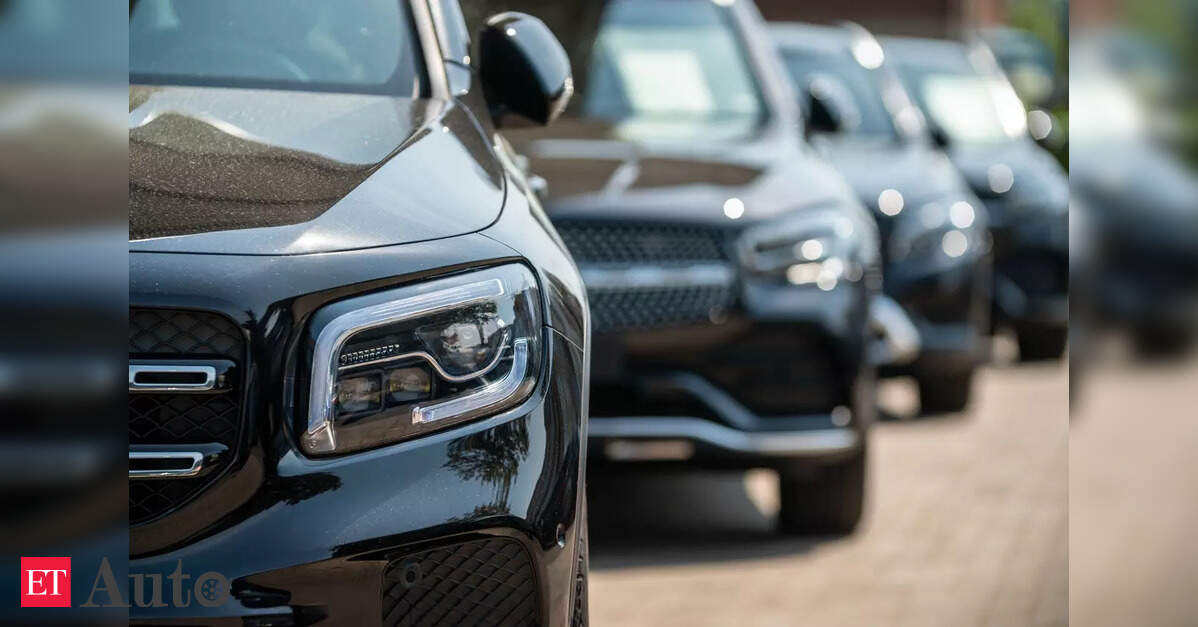

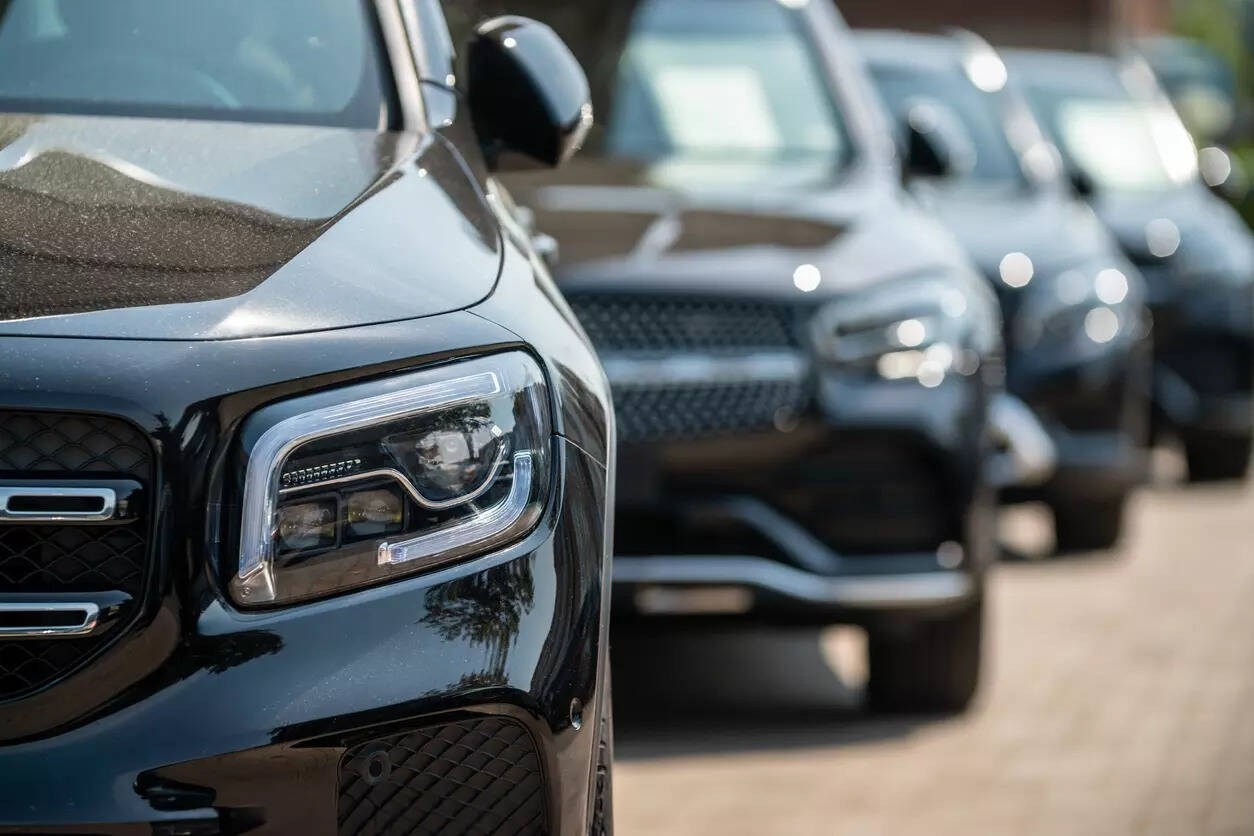
The India-European Union Free Trade Agreement (FTA), currently being negotiated, is expected to redefine India’s premium and luxury automotive landscape. When concluded, the most exciting outcome of this trade pact lies in its potential to reshape how India imports, prices, and experiences luxury cars. If implemented with favourable concessions—particularly a drastic reduction in import duties and simplified import procedures—the impact could be transformative for brands like Porsche, Land Rover, BMW, Mercedes-Benz, and Audi, and for the Indian consumer as well. For decades, India has protected its automotive sector with some of the highest import duties in the world—often scaling the wall of 100 per cent. As a result, a Porsche Cayenne that sells for ₹80 lakh in Europe easily crosses ₹1.5+ crore in India once duties, logistics, and margins are added. The FTA under discussion could bring those rates down to 10–15 per cent within a defined quota over the next few years. Even a partial reduction would change the price structure of luxury imports,
A 25–35 per cent reduction in on-road prices could unlock a new generation of buyers.
Faster imports, smarter logistics
Operational efficiency would also be one of the byproducts of tariff reductions. Today, CBU (Completely Built-Up) imports into India face a long, complex path—multiple layers of documentation, customs bottlenecks, and unpredictable clearance timelines. Under a bilateral trade agreement, both sides could agree on streamlined customs norms, faster clearances, and standardised digital documentation, cutting delays by weeks. This would allow premium carmakers to operate a build-to-order model, syncing European production directly with Indian retail demand.
Competition accelerates and consumers win
With the falling of price barriers, competition among European marques will also heat up. BMW, Mercedes-Benz, Audi, Jaguar Land Rover, and Porsche will now compete on more level pricing, forcing innovation in customer experience and post-sales service. Smaller European brands—like Alfa Romeo, DS Automobiles, or Cupra—may also view India as a viable expansion market for the first time. Hence, the luxury car buyer will finally enjoy a true European experience—without paying double for it.
A push for local value creation
Critics often fear that lower import duties might harm local manufacturing. In reality, the FTA could do the opposite. To qualify for concessional tariffs, European automakers must meet ‘rules of origin’ requirements—ensuring a certain share of parts or value addition comes from within the FTA bloc. This creates an incentive for localized sourcing and engineering collaboration with Indian suppliers. Expect increased sourcing of high-value components, new joint ventures, and select premium models to be assembled or partially manufactured in India.
A wider, deeper market
As prices fall, the addressable market for luxury cars will expand beyond metro elites. Brands will establish a stronger presence in Tier II and Tier III cities such as Indore, Coimbatore, and Chandigarh. This will ripple through the entire ecosystem: service networks will multiply, pre-owned luxury segments will grow rapidly, and auto finance innovations will make ownership more accessible than ever. With this, luxury ownership will move from aspiration to achievable—without losing its prestige.
However, the journey won’t be without speed bumps. Indian policymakers will likely seek phased reductions, quota limits, and safeguard clauses to protect domestic manufacturers. Imported cars will still need to meet local safety, emission, and homologation standards. And macro factors—currency fluctuations, global freight costs, or inflation—could moderate some of the price benefits. However, these are transitional issues. Once stabilised, India’s luxury car ecosystem will stand stronger, more competitive, and globally aligned.
The 2030 vision
The rationalisation of tariffs could work as a catalyst for India’s luxury mobility aspirations. Imagine India in 2030: luxury and premium vehicles make up 4–5 per cent of total passenger car sales, up from today’s 1-1.5 per cent. Mercedes-Benz AMG, BMW M, and Porsche EVs are priced near global parity. India is exporting select premium models to Southeast Asia. Local suppliers provide cutting-edge software, electronics, and interiors to European OEMs. What began as a tariff discussion becomes a strategic industrial transformation—one that fuses European engineering excellence with Indian scale and digital prowess. This scenario could be a reality if negotiations work out well.
Thus, the India-EU FTA represents far more than a trade negotiation—it’s a doorway to a new chapter in India’s automotive evolution. Reduced import duties will make luxury vehicles more attainable, efficient logistics will enhance customer experience, and deeper collaboration will foster local innovation. If implemented with foresight, this FTA will not merely make European cars cheaper—it will redefine how India experiences premium mobility and how the world views India as a serious player in the global automotive value chain.
The FTA could shift India’s luxury car market from aspiration to acceleration—turning exclusivity into excellence.
(The author is a seasoned automotive strategy and dealer network performance expert. He has led P&L responsibilities and advised leading global OEMs on profitability enhancement, network optimisation, product planning and strategic business programmes.)