
Last Updated:
With a 560 km range and 450-kg warhead, the SCALP-EG’s stealth and low-altitude terrain-following enabled it to evade Pakistan’s air defences and strike precisely


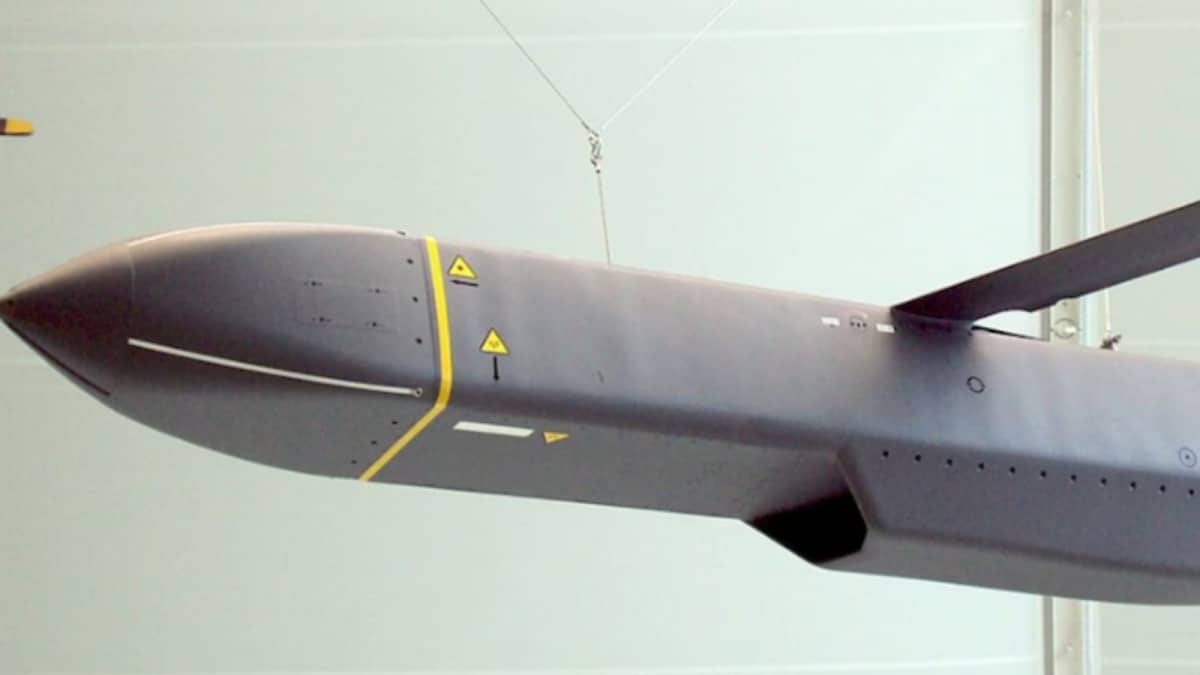
The IAF plans to arm more fighter jets with the SCALP-EG missile, currently exclusive to the Rafale fleet. (Representative/News18 Hindi)
India is fast-tracking its air power upgrades post-Operation Sindoor, with focus on both indigenous and foreign tech. While Rs 15,000 crore has been earmarked for the AMCA project to develop a homegrown 5th-gen fighter, work is also advancing on the Tejas multirole jet. The IAF now plans to arm the Tejas Mk1A and Mk2 variants with the SCALP-EG (Storm Shadow) long-range stealth cruise missile, known for its powerful precision strike capability.
After showcasing its precision strike and stealth infiltration in Operation Sindoor, the IAF now plans to arm more fighter jets with the SCALP-EG missile, currently exclusive to the Rafale fleet. The move aims to boost the limited Rafale squadron’s strike power and enhance India’s deep-strike capabilities amid rising threats from Pakistan and China.
Recommended Stories
The Tejas fighter jet, capable of flying at a speed of 1.8 Mach (over 2,200 kilometres per hour), is set to become a formidable asset with the integration of the SCALP missile.
The Power Of The SCALP-EG Missile
During Operation Sindoor, the SCALP-EG missile launched from IAF’s Rafale aircraft successfully targeted critical locations deep within Pakistan, including Jaish-e-Mohammed’s headquarters in Bahawalpur, Noor Khan’s command-and-control centre in Chaklala, and suspected nuclear storage sites in Kirana Hills.
With a striking range of up to 560 kilometres and a 450-kg warhead, the missile’s stealth design and low-altitude terrain-following capability allowed it to evade Pakistan’s air defence and hit targets precisely.
Satellite Images Confirm Precision Strike
Satellite imagery from Indian startup KawaSpace and China’s MizarVision confirmed the strike’s success, showing a direct hit on the HVAC shaft of the Pakistan Air Force control centre and a hangar at Shahbaz (Jacobabad) airbase. Crucially, the missile also evaded Pakistan’s Chinese-supplied HQ-9 surface-to-air system and Data Link 17 network.
Tejas Faces Integration Hurdles
The integration of the SCALP-EG missile with the Tejas Mk1A and Mk2 poses technical and logistical challenges. Discussions with European manufacturer MBDA are underway to ensure compatibility between the SCALP’s navigation system, which combines inertial navigation, GPS, terrain-referenced guidance, and an imaging infrared seeker, and the avionics and weapon management systems of the Tejas aircraft. While Rafale’s RBE2 AESA radar is already compatible, the EL/M-2052 AESA radar of Tejas Mk1A and the proposed Uttam AESA radar of Mk2 will require software upgrades and interface modifications.
Why This Matters
This initiative is crucial as it will significantly bolster the IAF’s flexibility and strength in numbers. With only 36 Rafales in service, the planned fleet of 83 Tejas Mk1A and approximately 324 Tejas Mk2 will provide a substantial increase in operational capability, particularly in light of Pakistan deploying the Chinese J-20 stealth fighter and the HQ-9 missile defence system, and China’s growing missile reserves in the Indo-Pacific region.
The Road Ahead
The limited number of Rafales contrasts with the potential high number of Tejas aircraft. Deploying advanced weapons like the SCALP on indigenous platforms will serve as a force multiplier, enabling lighter and relatively less expensive aircraft to undertake missions traditionally reserved for heavier fighters like Rafale or Sukhoi-30.
view comments
Read More