
Last Updated:
“Apps are being deployed to deliver instructions, propagate radical content, facilitate recruitment and get instructions directly from Pakistan-based handlers,” intel sources said

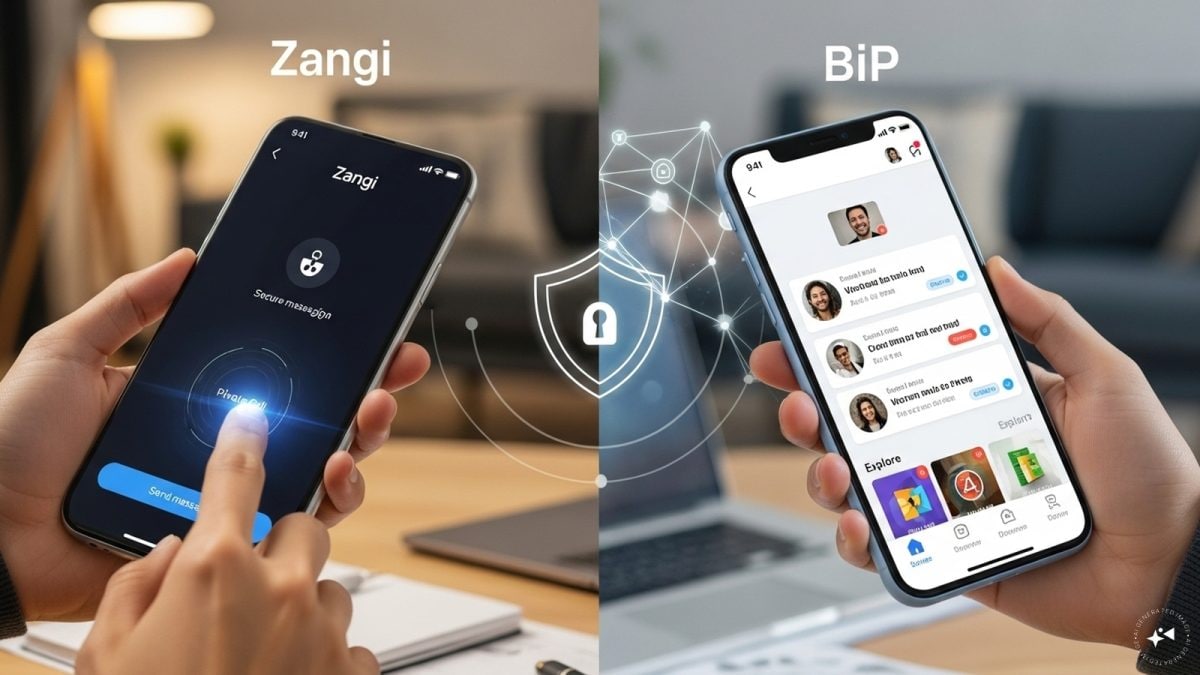
Zangi and BiP apps are being used to coordinate activities in sensitive areas, particularly in Jammu and Kashmir. (AI generated)
The government wants a complete ban on messaging applications (app) such as Zangi and BiP, which are also being used in terror activities, according to top intelligence sources.
“Zangi is a serious concern for India due to its combination of strong encryption, ephemeral messaging. The anonymity it offers allows cross-border handlers and local operatives to communicate with minimal risk of interception. Despite its official ban, intelligence and police reports show that militants, Overground Workers (OGWs), and criminal elements continue to use it,” sources said.
Recommended Stories
The apps are being used to coordinate activities in sensitive areas, particularly in Jammu and Kashmir. “The apps are being deployed to deliver instructions, manage logistics, propagate radical content, and facilitate recruitment. They are used to get instructions directly from Pakistan-based handlers,” sources said.
Why Zangi, BiP have become serious concern
- The forensic evidence they leave behind is minimal due to self-deleting messages, said sources. “The metadata provides only limited insight. The dual use of Zangi by organised criminal networks shows that these apps have broader operational value. Both apps offer end-to-end encryption and self-destructing messages, making it extremely difficult for agencies to intercept or recover communications during investigations,” said sources.
- Users can register without SIM cards or personal identifiers, allowing militants, OGWs, and criminal networks to operate with near-total anonymity.
- Intelligence reports indicate that Pakistan-based handlers and other foreign actors have used these apps to communicate instructions, coordinate attacks.
- They are collecting fund operations, and recruit local operatives in Jammu and Kashmir through these apps.
- Ephemeral messages and absence of server logs reduce the availability of digital evidence, complicating prosecutions and counter-terror operations
- Zangi and BiP are also both used by organised crime networks, including drug traffickers, increasing the risk of combined criminal-terror financing and operational coordination.
- Even after prior bans on similar apps, militants and OGWs migrate to lesser-known encrypted apps like Zangi and BiP, making partial bans ineffective.
- Agencies argue that unrestricted use of such apps undermines India’s ability to prevent attacks, trace handlers, and dismantle terror networks.
What the law says
Section 69A of the IT Act allows the government to block apps deemed prejudicial to sovereignty, integrity, security of India, or public order. “Zangi and BiP fall into this category due to verified reports of misuse. The apps’ low-bandwidth and offline-friendly design allow them to function in remote, sensitive areas where surveillance is already challenging, amplifying their risk. Banning these apps pressures global developers to cooperate with law enforcement and discourages misuse of encrypted platforms for anti-India activities,” said sources.
Cases where Zangi was used
September 2025: Jammu & Kashmir OGWs were found to be using encrypted apps. Following the Pahalgam attack, investigations indicated that Overground Workers in Jammu & Kashmir were using lesser-known messaging apps, including Zangi and BiP, to communicate with handlers. These apps were reportedly used to receive instructions and coordinate activities, raising concerns about their role in facilitating terrorism-related communications.
August 2025: Punjab’s drug traffickers were found to be using encrypted messaging apps. Punjab’s anti-drug campaign faced setbacks as traffickers increasingly used encrypted messaging apps like Zangi to evade surveillance. Despite numerous arrests, authorities struggled to trace the masterminds behind drug trafficking due to the apps’ features, such as self-erasing messages and the absence of SIM card requirements.
December 2024: Three members of the Khalistan Zindabad Force were killed in an encounter in Pilibhit. Investigations revealed that they had used the banned Zangi app for communication. The app’s peer-to-peer technology and lack of server-side data storage made tracking their communications challenging. Additionally, an extortion call from a handler in the UK and Pakistan was traced, and a local individual was linked to a bank transaction for a targeted killing.
About the Author

Group Editor, Investigations & Security Affairs, Network18
Group Editor, Investigations & Security Affairs, Network18
September 26, 2025, 14:24 IST
Loading comments…
Read More