
Putin-Zelenskyy (AI image generated using ChatGPT)
As more and more Russian drones are being spotted across Nato countries, the scale of Moscow’s aerial campaign is becoming impossible to ignore. In recent days, Polish and Romanian forces have intercepted drones straying into their airspace, underscoring how the war’s most prolific weapon is now pressing against the borders of the Western alliance.Behind these incursions lies a vast shift in Russia’s war strategy. What once involved sporadic strikes using Iranian-designed machines has evolved into an industrial effort, with factories, regional governments and even students enlisted to build drones by the thousand. Moscow’s swarms now arrive in waves of hundreds, overwhelming Ukrainian defences and spreading fear deep inside cities.According to the New York Times, Russia’s huge production surge has shifted the balance in the skies. Domestic factories, regional governments, and even high school students have been mobilised to assemble drones. Combined with new tactics, these advances have created a colossal challenge for Kyiv, which once held an advantage in drone warfare but now finds itself scrambling to defend against relentless swarms.
Swarms designed to overwhelm
The attacks are no longer occasional bursts but continuous waves. Data compiled by the New York Times from Ukrainian Air Force reports suggests that Russia has already fired more than 34,000 attack drones and decoys this year — nearly nine times as many as in the same period of 2024. One record strike earlier this month involved 810 drones and decoys. Ukraine claimed to have downed 92 percent, but 63 still penetrated air defences, hitting 54 targets in 33 different locations. “They started from maybe hundreds a month, then 2,000 to 3,000 a month in the first quarter of this year, now with 5,000 to 6,000 a month,” Mykola Bielieskov, a military analyst at Ukraine’s National Institute for Strategic Studies told the Times. “For sure, more of them are going to get through our air defences.”Moscow has also refined its tactics. Drones are launched in confusing patterns, routed along rivers and forests to bypass defences, and deployed in swarms or waves. Painted decoys made of foam or plywood are now standard, often indistinguishable from the real thing. Once inside cities, the drones are harder to intercept amid tall buildings and civilian risk.
Factories, students, and foreign help
Behind the numbers lies a vast industrial mobilisation. At an economic forum in Vladivostok, almost every Russian region displayed the drones it was helping to produce. Students, foreign workers, and state-owned companies are all part of the drive. Russia has also leaned on ties with Iran and China for expertise and parts, enabling the Kremlin to scale production to around 30,000 attack drones a year, with analysts warning this figure could double by 2026.Putin has made drones a national priority. His government has pushed for the creation of an entire branch of the military dedicated to them, with elite units like Rubicon already in action. Kofman warned that Ukraine’s former superiority has “diminished in recent months in light of Russia deploying its own elite drone formations and better organisation in how they deploy drones.”
A spreading threat
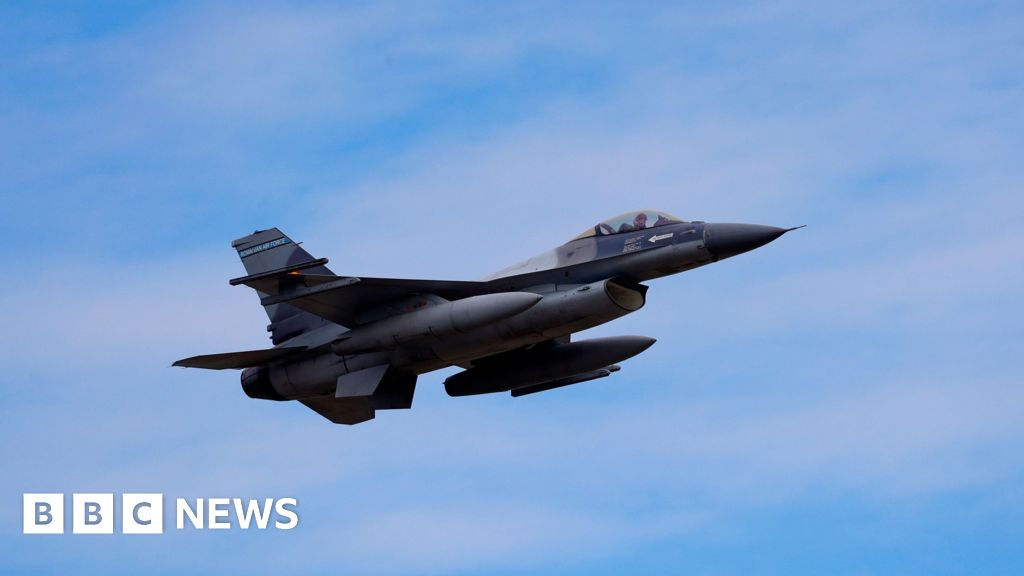
The strikes are also spilling into Nato territory. At least 19 Russian drones entered Polish airspace last week, while Romania confirmed its fighter jets intercepted one in its skies during attacks on Ukraine. The incursions have raised urgent questions about how the alliance would defend against a massed drone assault.Kyiv, meanwhile, has struck back. On Sunday, it targeted the Kirishi oil refinery near St. Petersburg, one of Russia’s largest, in a sign of how drones have become a weapon for both sides. Yet Ukraine’s efforts, while audacious, remain dwarfed by the sheer scale of Moscow’s barrages. Go to Source