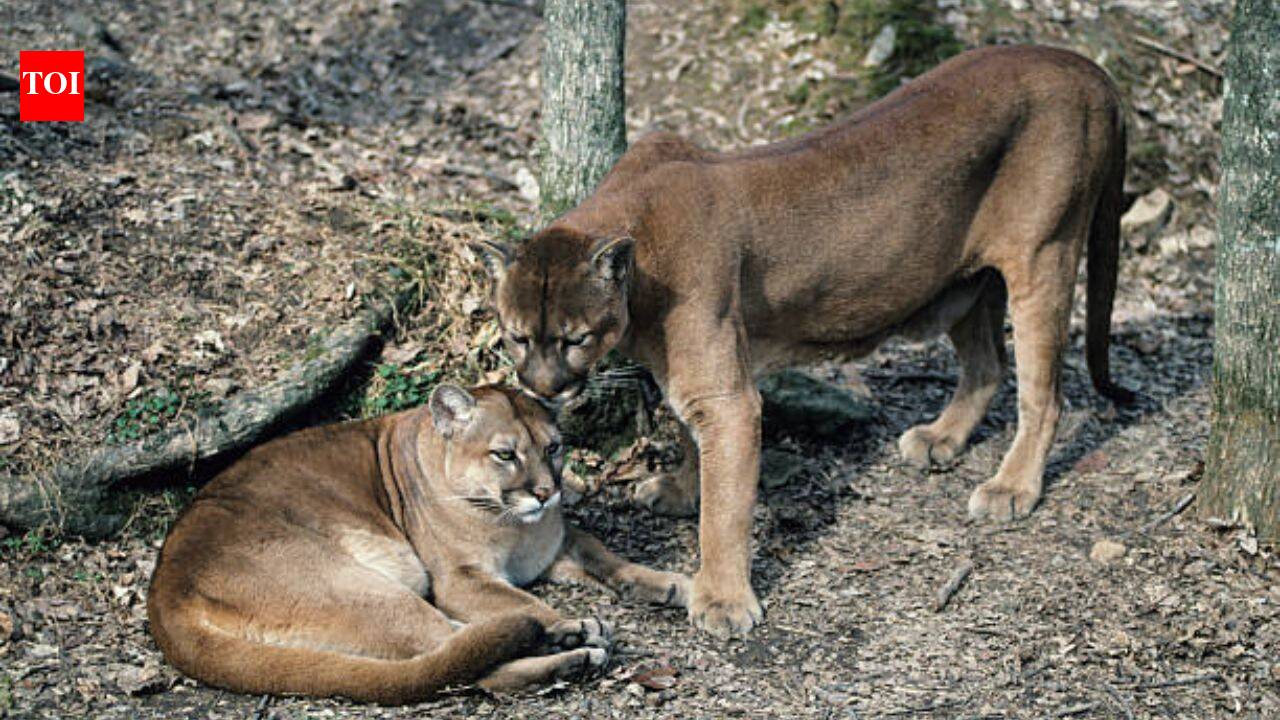

Whoever thought animals would be able to prevent accidents? According to a recent study published in ‘Current Biology’ the presence of pumas in Washington has decreased the risk of road collisions immensely. Researchers found that the presence of pumas in the Olympic Peninsula area of Washington has changed the behaviour of the local deer population, thus decreasing the animal-vehicle collisions and improving overall safety.In areas where pumas are present, there is a 76% reduction in the number of deer-vehicle collisions because deer shift activity toward daylight hours. “We found that large carnivores can make roadways safer through their effects on prey behaviour and space use,” Justin Suraci of Conservation Science Partners in Truckee, Calif., the study’s lead author, said in a press release.“Deer alter their use of both space and time where pumas are present, overlapping less with roads and reducing activity at night, when some of the most dangerous collisions occur,” Suraci added. “Increased road safety thus represents an ecosystem service that large predators like pumas can provide to human communities.”
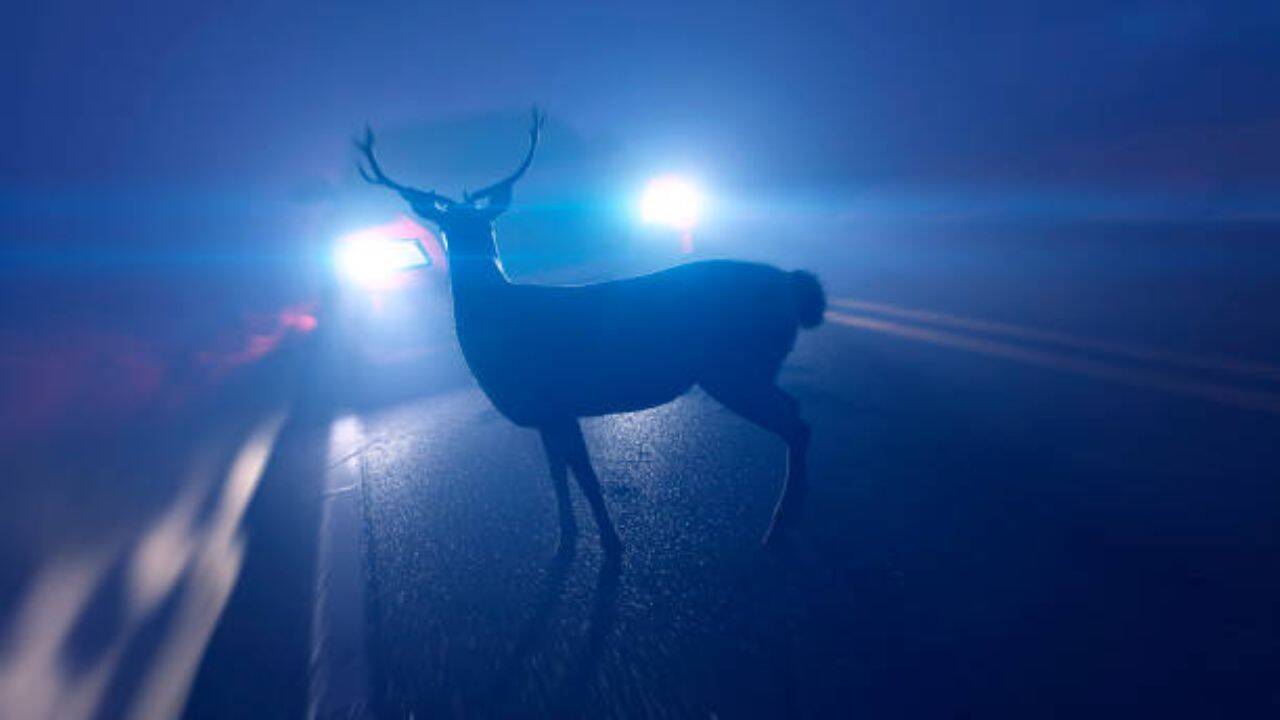
They were 15% less likely to be near roads, choosing to spend time in remote habitat areas instead.
Since pumas serve as predators to deer, they steer clear of the roadways, in turn decreasing accidents. The study sought to find the benefits of living in close proximity to larger predatory animals like pumas in developed areas. Deer were more active during the day in areas where pumas are present, the researchers found.They were 15% less likely to be near roads, choosing to spend time in remote habitat areas instead. The change in deer behaviour led to a 67% reduction “in the likelihood of a deer-vehicle collision,” researchers found, according to the press release.Pumas, also known as cougars or mountain lions are the largest wild cats in Washington. They are known for their strength, agility and ability to jump, as per the Washington Department of Fish & Wildlife. The large cats typically use “steep canyons, rock outcroppings and boulders, or vegetation, such as dense brush and forests, to remain hidden while hunting,” per the agency’s official website.According to a 2025 study published in Global Ecology and Conservation, every year in the USA, approximately 1.5 to 2.1 million deer-vehicle collisions occur, leading to 200-400 human fatalities, 26,000–59,000 human injuries, and greater than $10 billion in property damage.Thus, researchers hope that the study will help people see the benefits of living among large carnivores, according to the press release. “When we talk about pumas, we often focus on the risks they pose. But we rarely stop to consider the many ways they benefit us as well,” Mark Elbroch of Panthera said in the press release. “Living alongside large carnivores isn’t simply about protecting wildlife; it’s about protecting the many ways they quietly benefit us every day.” Go to Source